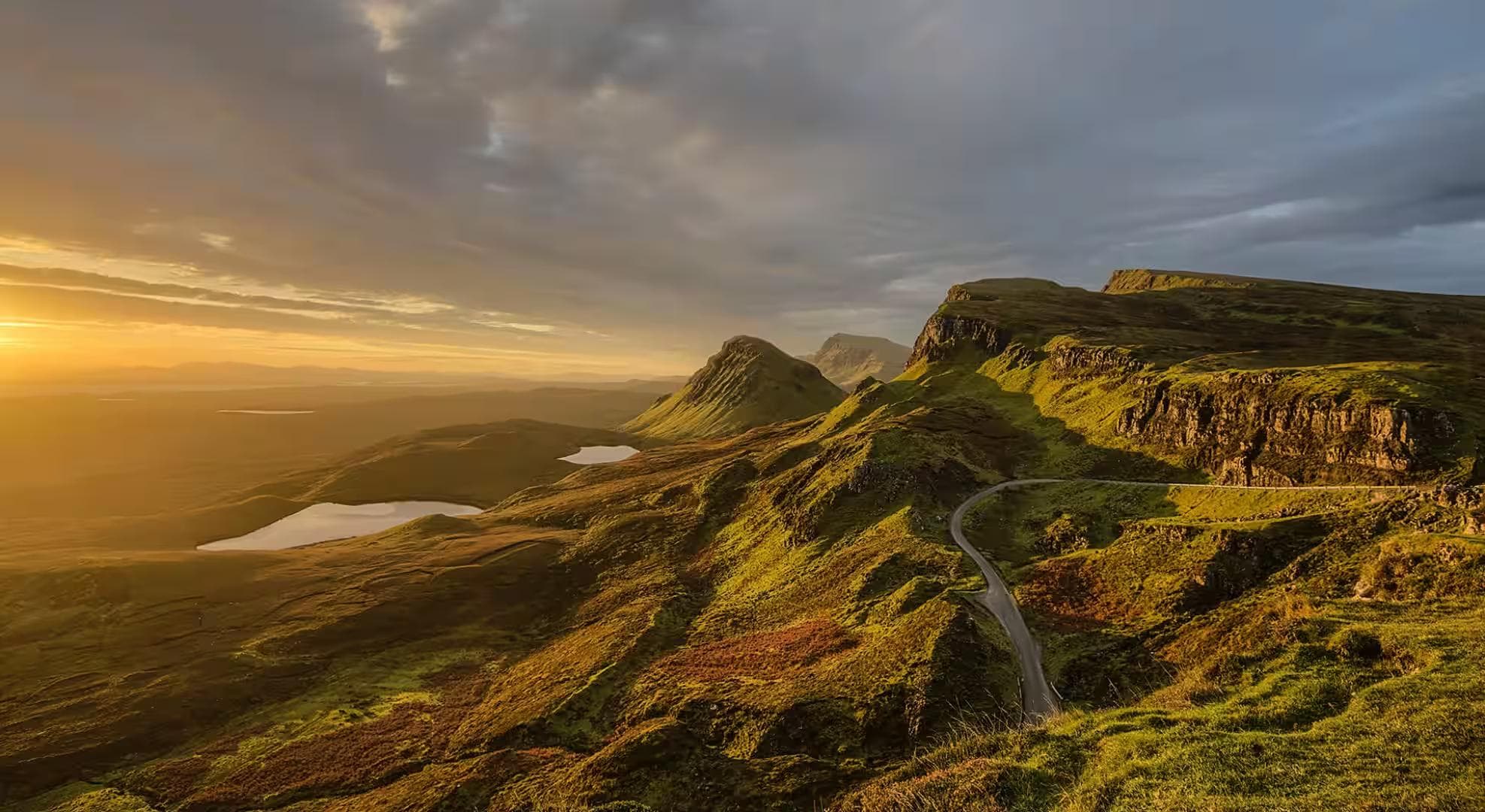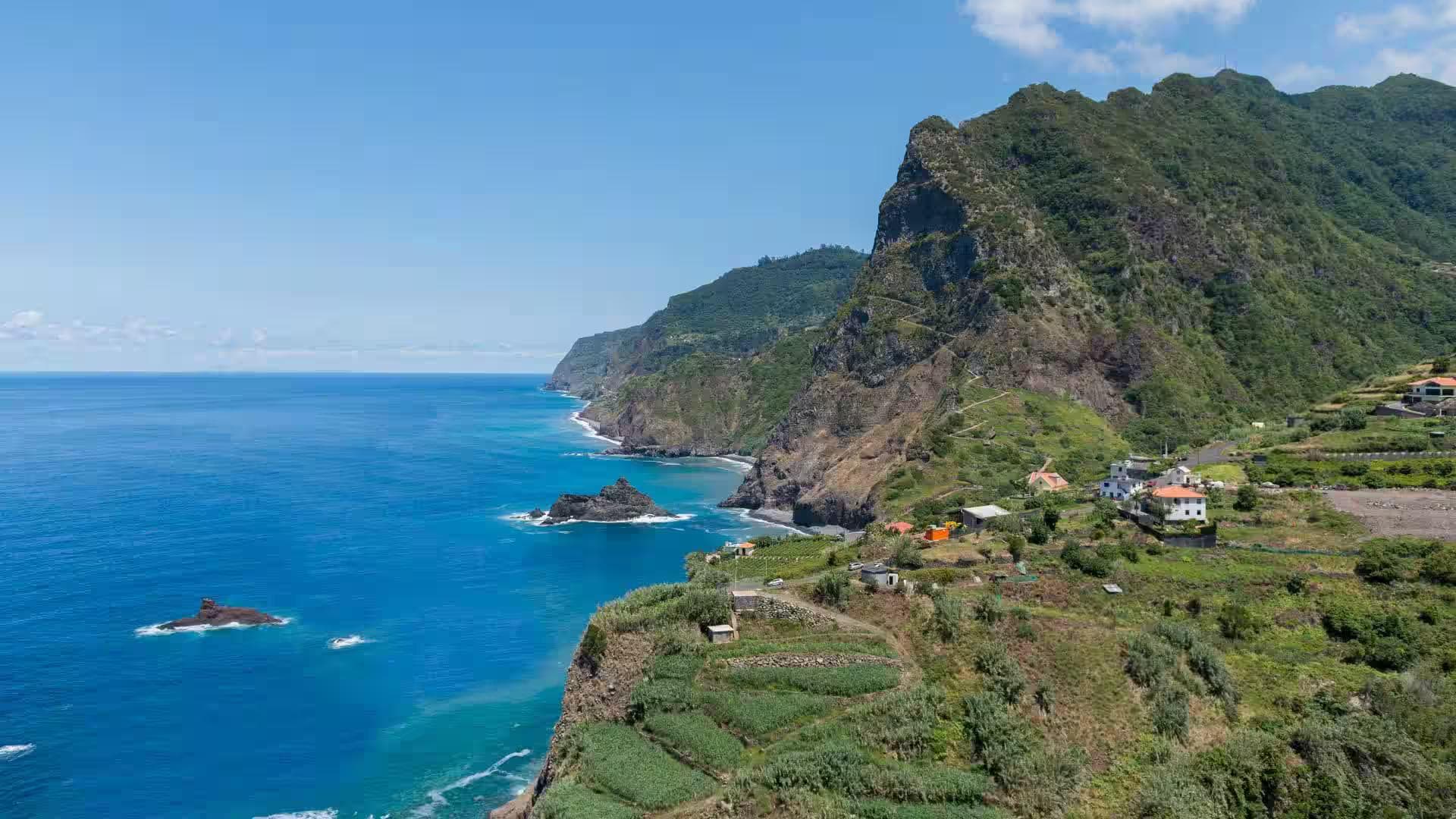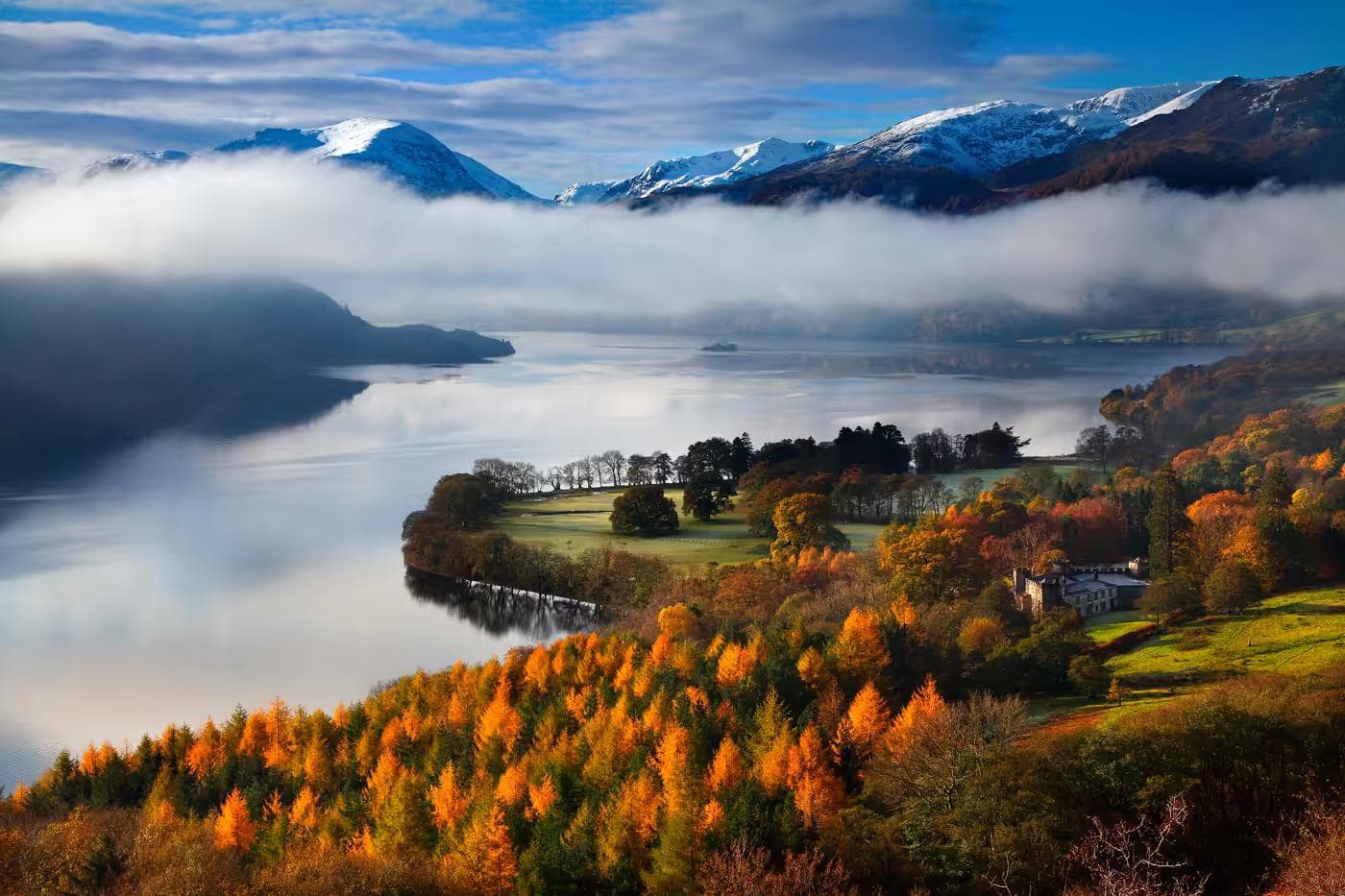
Not every outdoor weekend needs to be a test of something. The Lake District in spring does not ask for expedition gear or summit ambitions or a particularly early alarm. It asks, instead, for two days of moving slowly through a landscape that has been described as beautiful so many times that the word has worn smooth — and then delivers something that still manages to feel genuinely new: a valley so green it seems internal, a lake surface so still it doubles the hillside above it, a path so quiet on a Tuesday morning in April that the only sound is the grass bending in a wind too gentle to feel on the skin. Some weekends outdoors are about pushing limits. This one is about remembering why the outdoors was worth going to in the first place.
01The Lake District in Spring
The Lake District National Park covers 2,362 square kilometers of Cumbrian fell, valley, and lake in northwest England — the largest national park in England and Wales, designated a UNESCO World Heritage Site in 2017 for its cultural landscape. Spring — specifically April through early June — is the considered choice over summer for this itinerary. The Easter weekend aside, the trails are navigably quiet. The lambs are visible in every field from the road. The bracken has not yet reached the height that makes narrower paths genuinely claustrophobic by August. And the light, on the days when the cloud lifts, arrives at a low angle that the summer sun never produces — long shadows across the fell, the lakes lit from the side rather than above, the whole landscape rendered in a contrast that photographers specifically travel for.
Getting There
The Lake District is accessible from most of the UK within three hours:
- From London — Avanti West Coast from London Euston to Oxenholme Lake District, approximately 2 hours 45 minutes. Local connections to Windermere from Oxenholme.
- From Manchester — direct train to Windermere via TransPennine Express, approximately 1 hour 45 minutes.
- By car — M6 northbound to Junction 36, then A590 west into the park. From Manchester, approximately 1 hour and 30 minutes; from London, approximately 4 hours in light traffic.
Base Town
Ambleside is the correct base for a two-day itinerary built around the central and eastern fells. It sits at the northern tip of Windermere, contains enough accommodation, gear shops, and cafes to cover any logistical gap, and is within 20 minutes' drive of every trail described in this guide. For camping, the Low Wray National Trust Campsite on the western shore of Windermere is the best-positioned option: lakeside, quiet, open from late March, and managed without the overcrowded energy of the larger commercial sites.
Low Wray bookings open months ahead, and spring weekends fill quickly. Book the moment the dates become available. The lakeside pitches — numbered separately and limited to eight — go within hours of opening.
02Setting Up Camp
Arriving at Low Wray on a Friday evening after a three-hour drive from London produces a particular kind of decompression. The site drops directly to the Windermere shoreline, the lake visible between the trees from most pitches, the far shore lit pink in the early evening light. Unpack slowly. The Horizon Family Tent goes up first — its semi-instant pole system handles two people and a weekend's worth of gear without the 45-minute assembly that most family-sized tents require, and the interior space is large enough that the camping does not feel like a compromise on comfort. Pitch it with the door facing the lake.
The Camp Setup
Once the tent is up, the weekend's base takes shape around it:
- CampFold Chairs positioned outside facing the water — the functional furniture that turns a campsite into somewhere to actually sit and spend time, rather than just sleep
- GlacierHold Cooler Box unpacked and positioned in the tent's vestibule — weekend food for two: cold cuts, cheese, fruit, a bottle of wine, and tomorrow's sandwich ingredients all kept at temperature without requiring the campsite's distant refrigeration block
- Northline Hoodie on, immediately — the Lake District evening air drops to 8–12°C by 7:00 pm in April, regardless of what the afternoon suggested, and the Northline's weight-to-warmth ratio makes it the layer that goes on at camp and stays on until the sleeping bag takes over
Cook dinner simply. Pasta, or whatever travels well in the cooler. Eat outside facing the lake. The Windermere surface at 8:30 pm in late April catches the last of the light in long horizontal streaks — the sky above the western fells still pale, the water below it dark, the far shore a continuous black silhouette. This is why the chairs matter. Not every outdoor moment requires walking toward something.
Booths supermarket in Windermere town (10 minutes from Low Wray by car) stocks excellent local produce, including Cumbrian cheeses, local sausages, and freshly baked bread. Stock the GlacierHold Cooler Box here on the way into the park rather than relying on the small campsite shop.
03Day One: Loughrigg Fell
The first walking day belongs to Loughrigg Fell — a modest hill of 335 meters rising between Ambleside, Grasmere, and Elterwater, whose summit delivers a 360-degree view of five separate lakes simultaneously. It is exactly the kind of fell that makes the Lake District extraordinary for beginner walkers: low enough to reach without significant fitness, high enough to feel genuinely above the landscape, and positioned in the centre of a valley system where every direction contains something worth looking at.
Ambleside Start
The standard approach begins at the Rydal Road car park in Ambleside and follows the path up through Rydal Cave — a former slate quarry whose entrance is large enough to walk into and whose interior, when lit from outside by morning sun, produces a quality of light that makes the short detour entirely worthwhile. From the cave, the path continues up the fell's southern flank through open bracken and exposed rock, gaining elevation gradually before the summit plateau opens.
Summit & Return
The Loughrigg summit is not a dramatic peak — it is a broad, rounded top with a small cairn and several flat rocks perfectly positioned for sitting on — and that lack of drama is the point. The view from it in clear spring conditions takes in Windermere to the south, Grasmere to the north, Elterwater to the west, and the Langdale Pikes behind it — the full geometry of the central Lake District laid out in a single pan. Sit for 20 minutes. Drink from whatever water the morning started with. Then descend via the northern path to Grasmere village, which takes approximately 45 minutes and ends beside the Grasmere Gingerbread Shop — a Victorian bakery operating in a former schoolhouse since 1854, selling a spiced ginger product that is genuinely specific to this village and worth the small queue that forms by 10:00 am.
Lunch at Grasmere
From Grasmere, the return to Ambleside runs along the Coffin Route — a historic path used for centuries to carry the dead from remote valley farmhouses to the church at Grasmere for burial — a 4-kilometer walk through meadow and fell-edge that is considerably more pleasant than its name suggests. Allow the full morning for Loughrigg and the Grasmere return. Back at the campsite by 1:00 pm, the CampFold Chairs come out again, the GlacierHold Cooler Box provides lunch without requiring a fire or a stove, and the afternoon operates on no schedule at all.
The Grasmere Gingerbread Shop wraps its gingerbread in wax paper that travels well in a daypack for several hours. Buy enough for the afternoon at the lake and the following morning's breakfast. The recipe has not changed since 1854, and there is no equivalent available elsewhere.
04Day Two: Catbells & Derwentwater
The second day makes a short drive north to Keswick and the most beloved beginner ridge walk in the Lake District: Catbells. At 451 meters it is higher than it appears from the Derwentwater shoreline below, and the ridge path from the Hawse End car park to the summit is one of the most consistently scenic 2-kilometer walks in England — a narrow spine of fell with the lake directly below on the eastern side and the Newlands Valley dropping away to the west, the full Derwentwater basin visible from every point on the ascent.
Hawse End to Summit
The path from Hawse End begins steeply through bracken before settling into a clear ridge line with exposure on both sides. The footing is good — solid rock and compressed earth — but the drop on the lake side is significant enough that young children and nervous walkers should stay on the inland edge of the path on the upper section. The summit takes approximately 45 minutes from the car park and delivers a view that the Lake District's more demanding peaks rarely improve upon.
Derwentwater Return
The descent south follows the ridge to Hause Gate before dropping back to the lake via the Manesty Woods path — a forested descent through sessile oak and birch that arrives at the Derwentwater shoreline 20 minutes from the car park. From here, the Derwentwater shoreline path runs north back toward Keswick along the water's edge — flat, wide, and completely without effort, the lake on the right and the fells reflected in it, the kind of walking that requires nothing except putting one foot in front of the other and being somewhere worth doing that in.
Lakeside Lunch
Stop at the Lodore Falls Hotel on the southern Derwentwater shore for coffee and a sandwich before the final section back to Keswick — or, better, use the GlacierHold Cooler Box contents from the morning's pack. The flat shoreline path provides enough benches and lake-edge rocks to make a picnic lunch a more atmospheric choice than any hotel terrace. The cooler box format — carried in the car, packed into a daypack for the shoreline section — is the detail that makes a casual lakeside lunch feel considered rather than improvised.
Heading Home
By 3:00 pm, the campsite is packed, the Horizon Tent folded back into its carry bag, and the drive south has begun. The Lake District from the M6 disappears quickly — fells giving way to motorway, the green compressing into grey — and the weekend, assessed from the passenger seat with tired legs and a container of leftover Grasmere gingerbread, resolves into something clear: two days of unhurried movement through a landscape that does not require anything exceptional from the person walking through it. Just presence. Just pace. Just the willingness to go somewhere quiet and let the quiet do its work.

Northline Hoodie
Goes on at camp by 7:00pm on both evenings and stays on through the morning
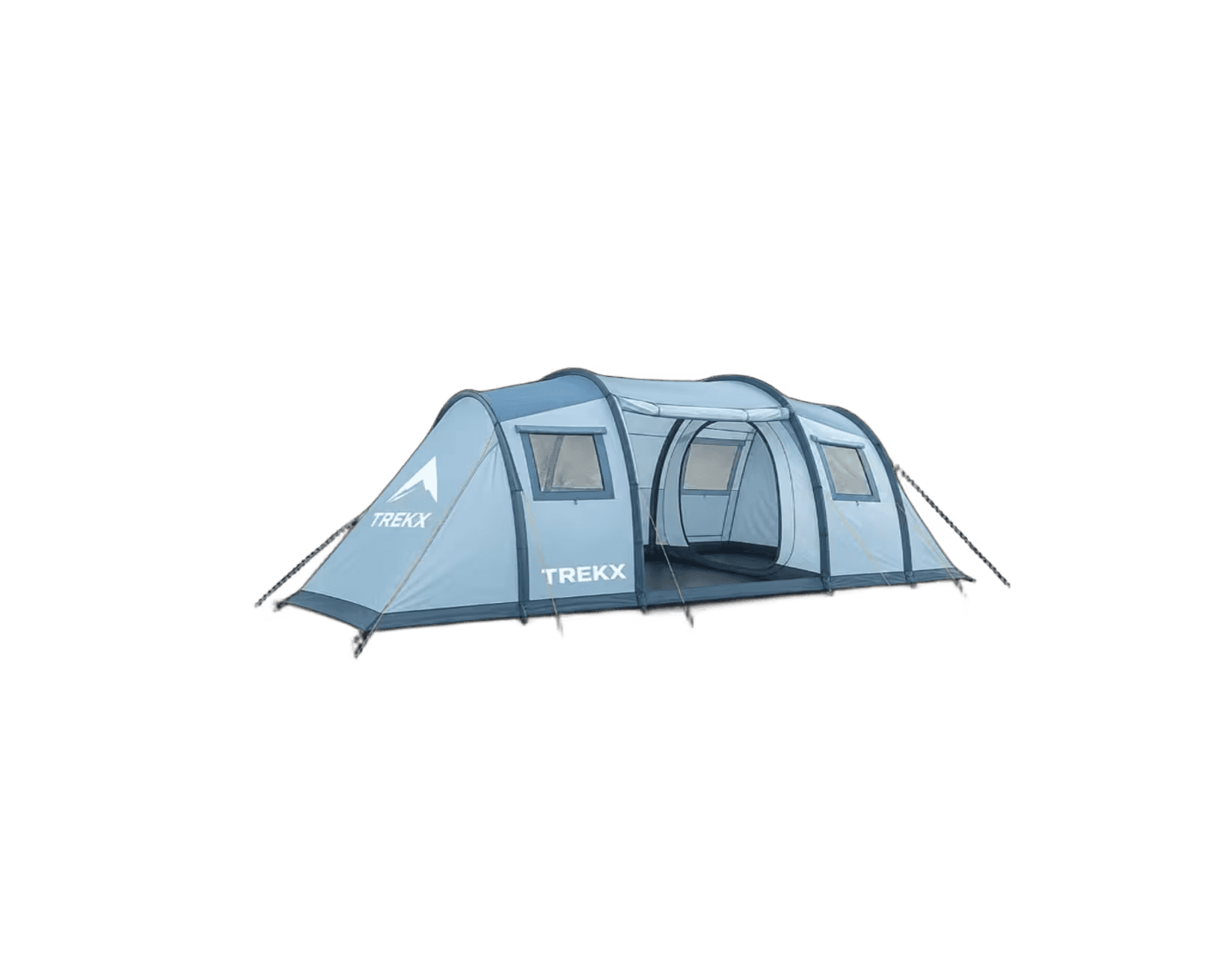
Horizon Family Tent
Semi-instant setup for two people and a weekend's gear. Spacious and comfortable
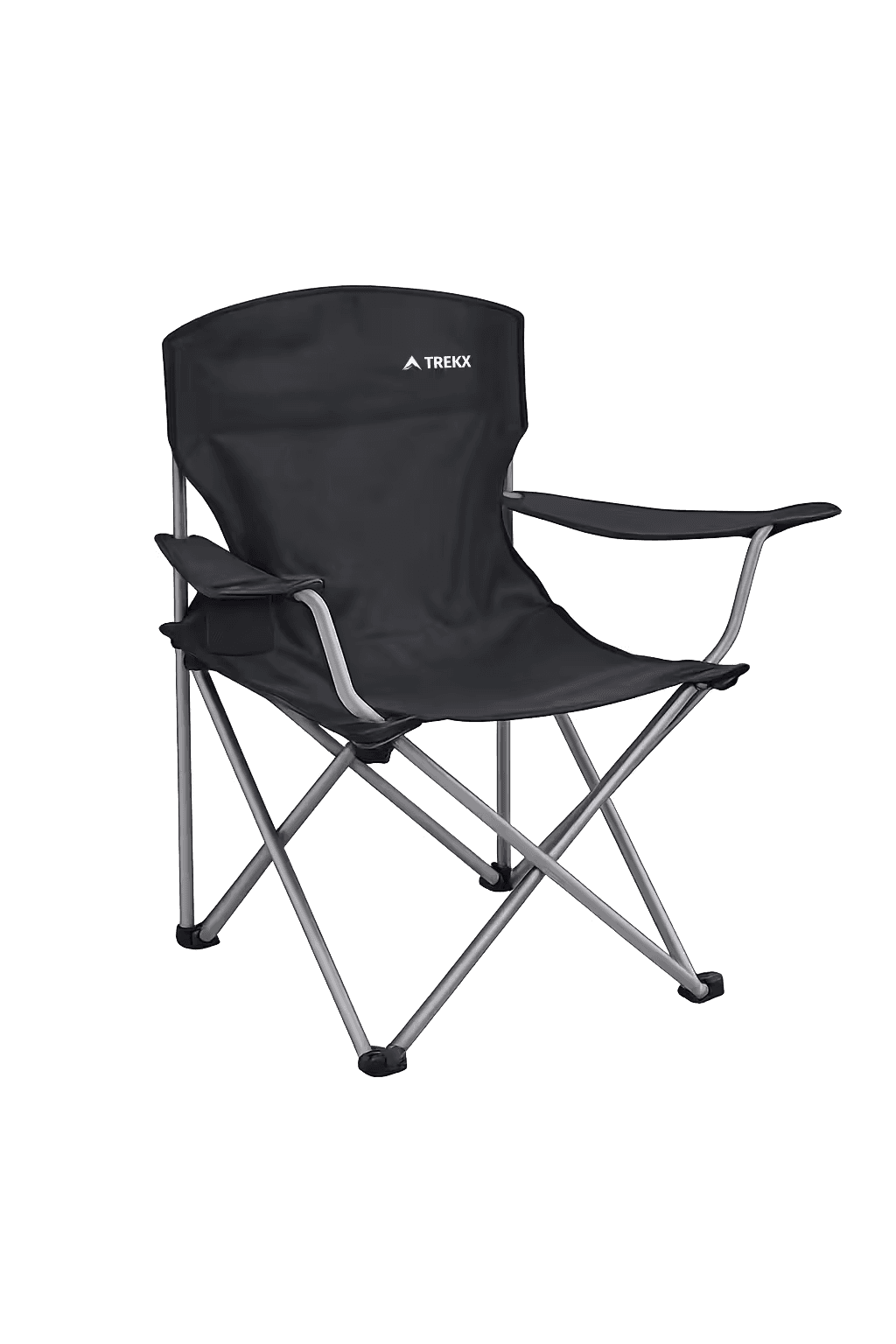
CampFold Chair
The furniture that makes outdoor time feel deliberate rather than transient.

GlacierHold Cooler Box
Keeps two days of food at temperature, eliminating every meal-planning compromise across the weekend