The alarm sounds at 3:30 am. Outside the window of a small hotel in Misurina, the valley sits entirely in darkness — just the faint silhouette of peaks against a sky still crowded with stars. There is no wind. No movement. The Dolomites at this hour feel almost private, as though the mountains have not yet remembered that the rest of the world exists. This is the version of them most people never see — and it is the version worth waking up for.
01Reaching Misurina
Misurina is a small lakeside village in the Cadore area of the Eastern Dolomites, roughly 15 kilometers from Cortina d'Ampezzo and about two hours from Venice by car. At 1,756 meters, it already sits higher than most Alpine foothills, and the air carries a clarity that feels almost unfamiliar, arriving from the south. The SS48 road from Auronzo di Cadore winds through pine forest before the valley opens and the first glimpse of the Tre Cime appears above the ridgeline — three enormous fingers of pale limestone rising from the plateau, unmistakable and slightly unreal.
For accommodation, Misurina offers a handful of well-positioned options for an overnight stay before the ascent:
- Grand Hotel Misurina — directly on the lake shore, views that make the 3 am alarm feel marginally less brutal
- Hotel Lavaredo — central, quiet, well-priced for the area
- Camping Misurina — accepts tent and campervan bookings through the summer season
A proper dinner the evening before matters here. The rifugio kitchen closes early, and a bowl of casunziei — the local filled pasta, buttered and delicate — with a glass of house red will be quietly appreciated at 4 am when the walking begins. Eat well. Sleep as much as you can.
02Toll Road Logistics
From Misurina, a private toll road climbs 7.5 kilometers through dense pine forest to Rifugio Auronzo, the highest drive-up point in this part of the Dolomites at 2,320 meters. The toll runs approximately €30 per vehicle in peak season, and under normal summer conditions, the gate opens at 6:00 am, which creates the core logistical problem for a sunrise visit. The sun does not wait for toll roads.
Your realistic options are:
- Stay overnight at Rifugio Auronzo — the most reliable approach. Rooms are basic but comfortable, and waking up already at altitude removes every logistical variable.
- Drive up the previous evening, sleep in the car — functional, free, and far more common among photographers than the rifugio staff will admit.
- Walking from Misurina in the darkness - adds roughly 90 minutes each way on an unlit road. Bring a headlamp with fresh batteries and account for the time.
Always check the Tre Cime road access and toll schedule before committing to any of these. Weather closures and road maintenance windows apply throughout the season without much warning.
Book Rifugio Auronzo at least one night in advance in July and August. Walk-ins are rarely accommodated during peak season, and the alternative is a very long pre-dawn road walk with a heavy pack.
03Pre-Dawn Departure
At 2,320 meters, the parking area behind Rifugio Auronzo feels exposed in a way that flat ground never prepares you for. The temperature at this elevation drops well below what any valley forecast suggests — even in July, pre-dawn on the Auronzo plateau regularly sits between 2°C and 7°C, and the wind crossing the open ground has nothing to slow it down. A thermal base layer under your jacket is not optional. It is the difference between a rewarding experience and an uncomfortable one that ends early.
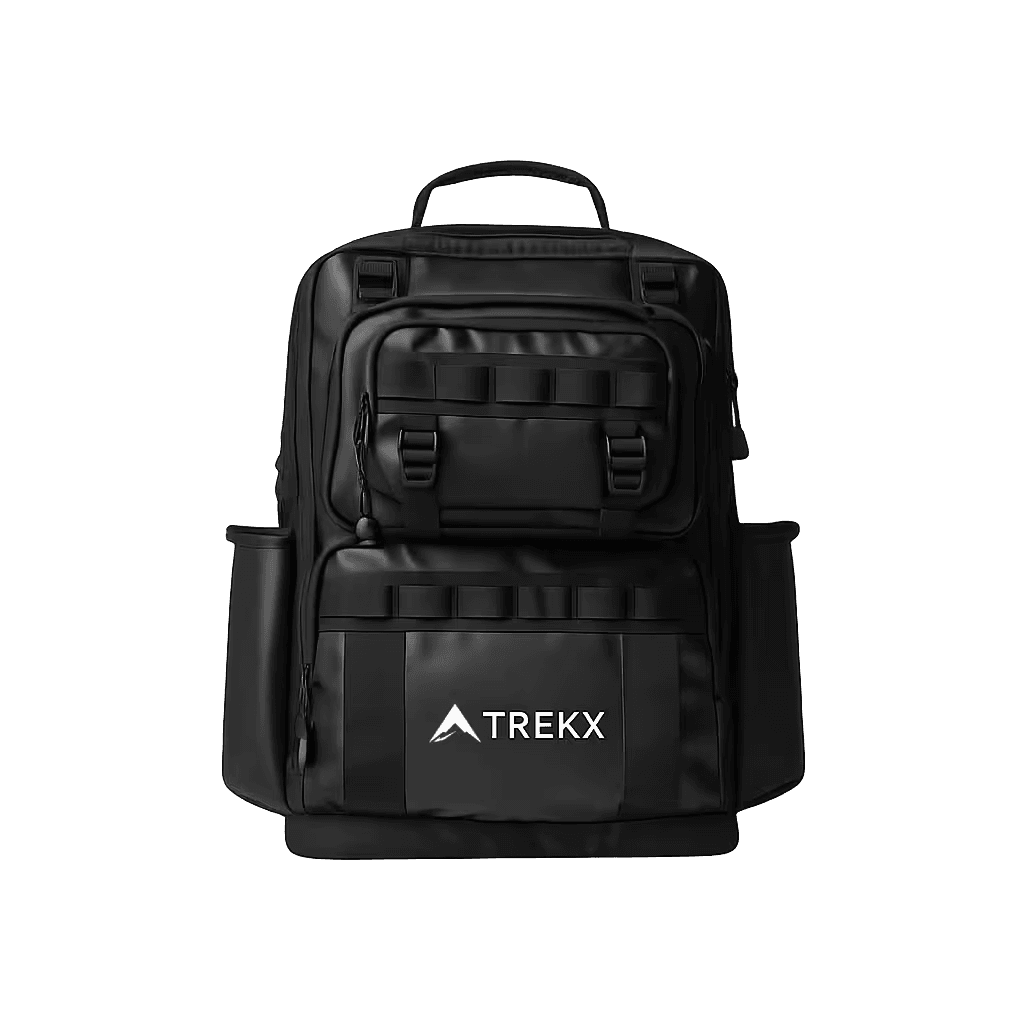
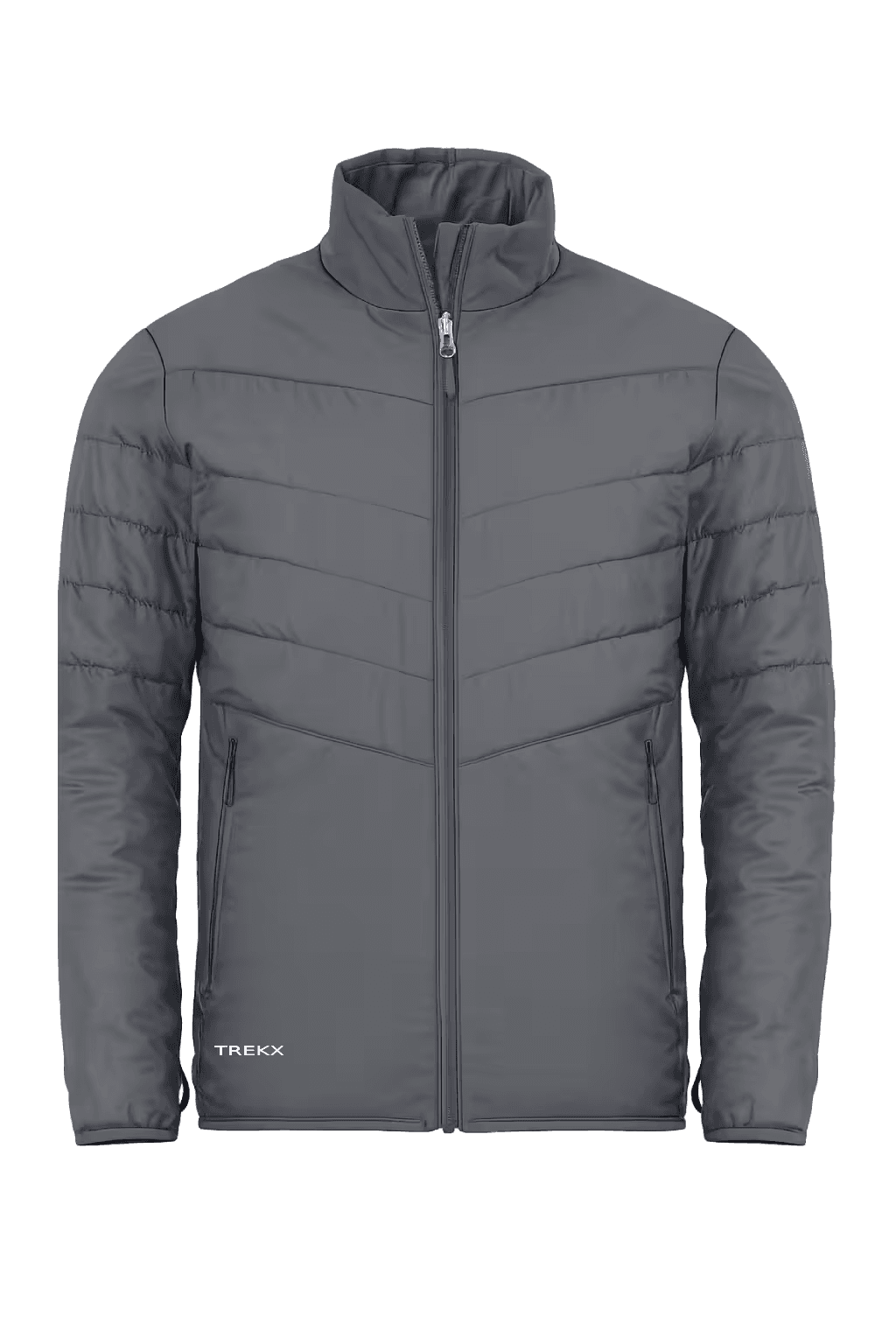
This is the moment where the Stormveil Shell Jacket earns its place in the bag. Standing still on an exposed alpine plateau in pre-dawn darkness, waiting for your eyes to adjust and your body to warm up, teaches quickly why a reliable shell matters — not just against rain, but against the horizontal wind that makes the cold genuinely penetrating. Pack it at the top of the TrailEase Daypack 22 rather than buried under layers. The saddle at Forcella Lavaredo will be colder still, and you will want it accessible without stopping.
The trail begins just past the rifugio building, marked with a clear wooden signpost for Trail 101. In darkness, it is surprisingly easy to navigate — the surface is compacted gravel, wide enough for two people side by side, and the towers above serve as a permanent orientation point. A headlamp is required. A spare set of batteries is not excessive.
Do not underestimate the pre-dawn cold at this elevation, even in peak summer. A fleece alone is insufficient at the saddle in pre-dawn wind. Check the overnight mountain forecast at mountain-forecast.com the evening before departure and dress accordingly. Hypothermia risk at altitude is real, and turning back from the saddle is a cold, exposed walk.
04Trail 101
Trail 101 — locally called the Giro delle Tre Cime — begins as a gentle traverse along the southern face of the Tre Cime massif, gaining almost no elevation in the first kilometer before curving northward toward Rifugio Lavaredo and the saddle at Forcella Lavaredo. This is not a technical trail. It requires no specialist equipment, no climbing experience, and no particular fitness beyond the ability to walk comfortably on uneven ground for an hour.
The trail surface changes character as the route progresses:
- Km 0–1: Compacted gravel, wide and flat. Easy orientation even in darkness.
- Km 1–2: Rocky terrain begins after the junction with Trail 104. Short stable sections require attention underfoot, but nothing more.
- Km 2–3: The final approach to Forcella Lavaredo gains modest elevation through loose stone before opening abruptly onto the saddle panorama.
Sunrise Timing
Getting the timing right is the difference between the whole experience and a near-miss. In summer at this latitude:
- First atmospheric light — approximately 4:40 am
- Horizon glow becomes visible — approximately 4:55 am
- Solar disc clears the eastern ridgeline — approximately 5:15–5:20 am
- Peak color on the north face of Cima Grande — 5:20 am to 5:35 am
- Light softens, day-hikers begin arriving — 6:30 am onward
Arrive at Forcella Lavaredo no later than 4:30 am. The window of peak color on the north face lasts less than twenty minutes. There is no recovering it once it passes.
05First Light
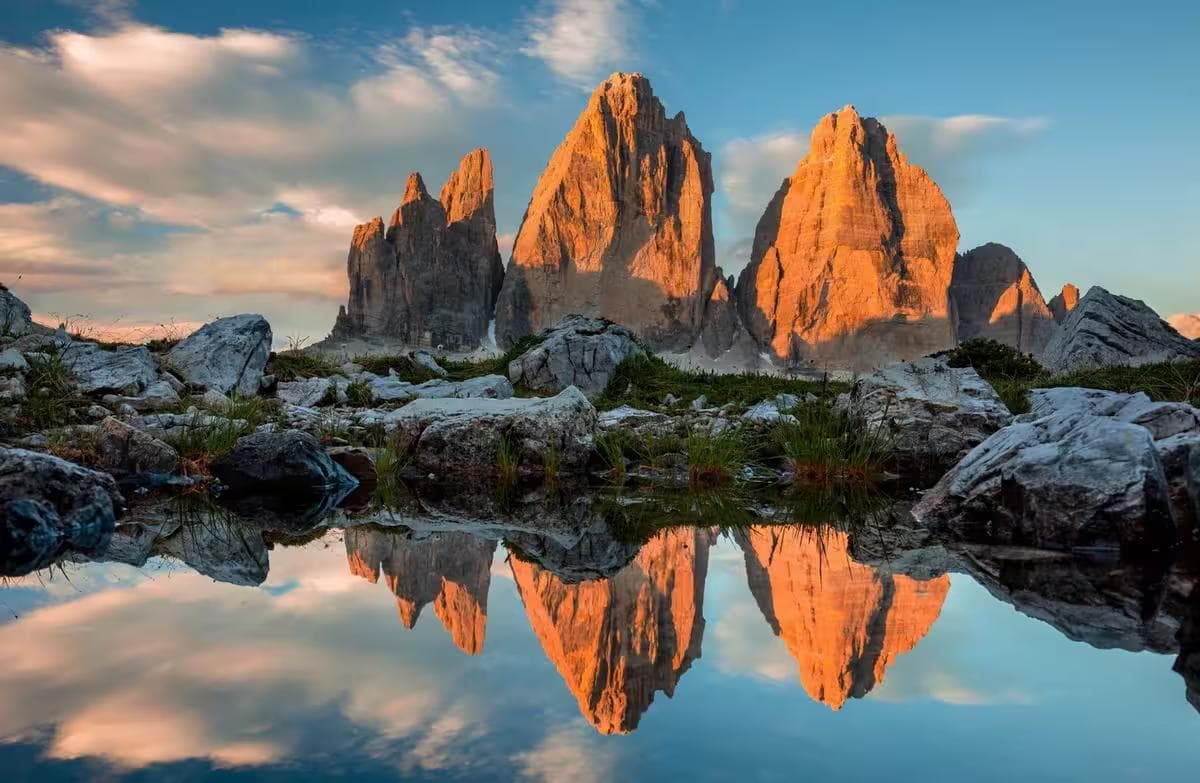
Nothing about the description quite prepares you for the actual moment. At Forcella Lavaredo, the saddle opens onto a panorama that takes in the full northern face of the Tre Cime di Lavaredo to the west and the jagged skyline of the Cadini di Misurina to the east. When the sky begins to shift — deep indigo first, then a slow burn of amber and rose along the eastern crest — the limestone faces catch the early light in colors that seem impossible for stone: coral, tangerine, a pale molten gold that holds for no more than fifteen minutes before settling into ordinary morning.
Photographers position themselves along the saddle wall. Everyone else tends to go quiet. The cold by this point is penetrating, especially after standing still for twenty minutes while waiting for the light to reach the upper faces. The Stormveil Shell is the layer that makes standing in place on an exposed saddle feel manageable rather than miserable. This is not the moment to be digging through a bag for something forgotten at the bottom.
"The mountains are not fair or unfair, they are just dangerous." — Reinhold Messner
Photography Window
The best light at Forcella Lavaredo runs from approximately 20 minutes before sunrise to 30 minutes after. The north face of the Cima Grande — the tallest and most photographed of the three towers — catches the first direct rays while Rifugio Lavaredo below remains in shadow. That contrast works for almost any compositional approach. By 6:30 am, the quality of light has flattened, and the first wave of day-hikers from the toll road parking area begins arriving in numbers. The quiet window is genuinely brief. Come early, and stay for all of it.
06Morning Stop
Rifugio Lavaredo, at 2,344 meters just below the saddle, opens its kitchen around 7:00 am in high season. Breakfast here is simple and exactly right: espresso made on a machine that has no business working this well at altitude, bread with local jam, and occasionally a warm soup for those who look genuinely cold. It is the kind of meal that tastes disproportionately good for the hour of walking that preceded it.
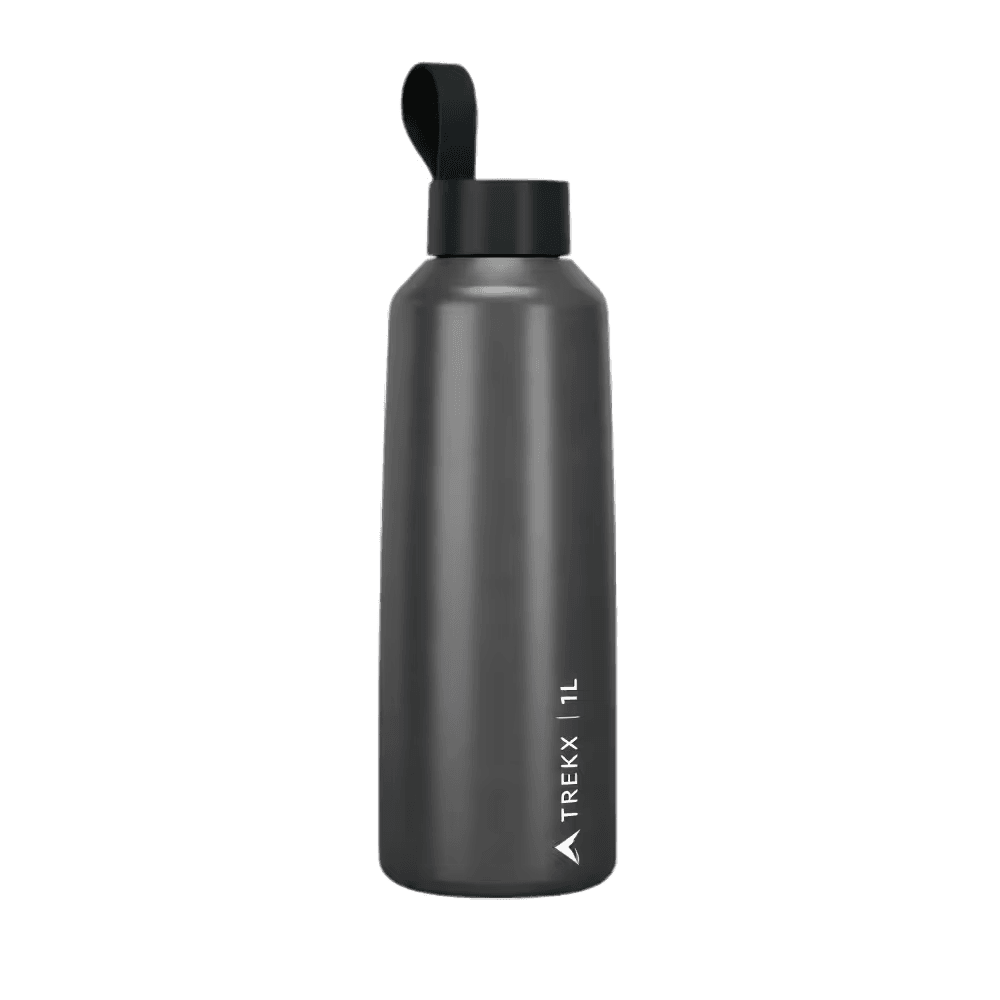
Before leaving Rifugio Auronzo at the start, fill the FlowTrail Hydration Bottle. Water points along Trail 101 are unreliable in the early morning and should not be planned around. At altitude and in cold air, thirst signals arrive late — by the time you notice you are thirsty, you have been underhydrated for the past 30 minutes. The FlowTrail's insulation keeps cold water from becoming unpleasantly icy during the pre-dawn approach, which matters more than it sounds when the air temperature is sitting at 4°C.
Local Breakfast
The Rifugio Lavaredo kitchen runs a limited but satisfying morning menu:
- Espresso and cappuccino — reliably good, genuinely Alpine
- Croissants and bread with jam — simple, fresh, available from opening
- Warm soup — seasonal, not always available, worth asking
- Energy bars and packaged snacks — stocked for hikers, priced accordingly
Sitting outside on the wooden terrace with coffee in hand while the north face of the Tre Cime shifts through its post-sunrise colors is not a step to skip. Budget 30 minutes here.
Check the Rifugio Lavaredo seasonal opening schedule before planning breakfast around it. The rifugio opening date shifts by one to two weeks each spring, depending on snowpack, and arriving at a closed hut at 7 am in cold air after two hours of walking is a specific kind of disappointment.
07The Return
The descent from Forcella Lavaredo back to Rifugio Auronzo via Trail 101 takes approximately 50 minutes at an easy pace. The morning light on the return walk hits the trail differently from the approach — the southern faces of the massif catch warm light by 7:30 am, and the Cadore valley below begins to emerge from its shadow, a slow reveal that makes the descent feel unhurried and earned.
An alternative return route continues the full circular loop via Trail 105 around the northern face, adding roughly 40 minutes and considerably more exposed walking across loose scree.
For a first alpine outing, avoid the northern loop via Trail 105. The scree sections are unstable underfoot, the wind exposure on the north-facing descent is significant, and the additional elevation changes are not trivial for those without mountain walking experience. Reserve it for a second visit, with better conditions and a clearer sense of your own pace on technical terrain.
By 8:30 am, the toll road will be open, and the first wave of day visitors will be arriving by car — dozens of them, then hundreds within the hour. The experience of having already been there, seen the light change across the north face, and come back down in silence carries a particular satisfaction that is difficult to articulate and easy to remember.
08Coming Down
The drive from Rifugio Auronzo back to Misurina takes 20 minutes. The small bakery on the village's main road opens at 8:00 am and sells cornetti that are still warm from the oven. Stop.
From the eastern shore of Lago di Misurina, the Tre Cime appear in reflection on the surface of the lake — perfectly upside-down in the morning stillness, the last pink of sunrise faintly visible in the atmosphere above the towers. Most people who have just come off the trail spend a few minutes here without deciding to, standing on the lakeside path, not quite ready to get back in the car.
That feeling — of having gone somewhere genuinely worth going, of having seen something that the midday crowds in the parking area will not — is difficult to articulate and easy to carry. It tends to become the shape of the rest of the day, and, if this is your first time in the Alps, the quiet reason you will eventually come back.