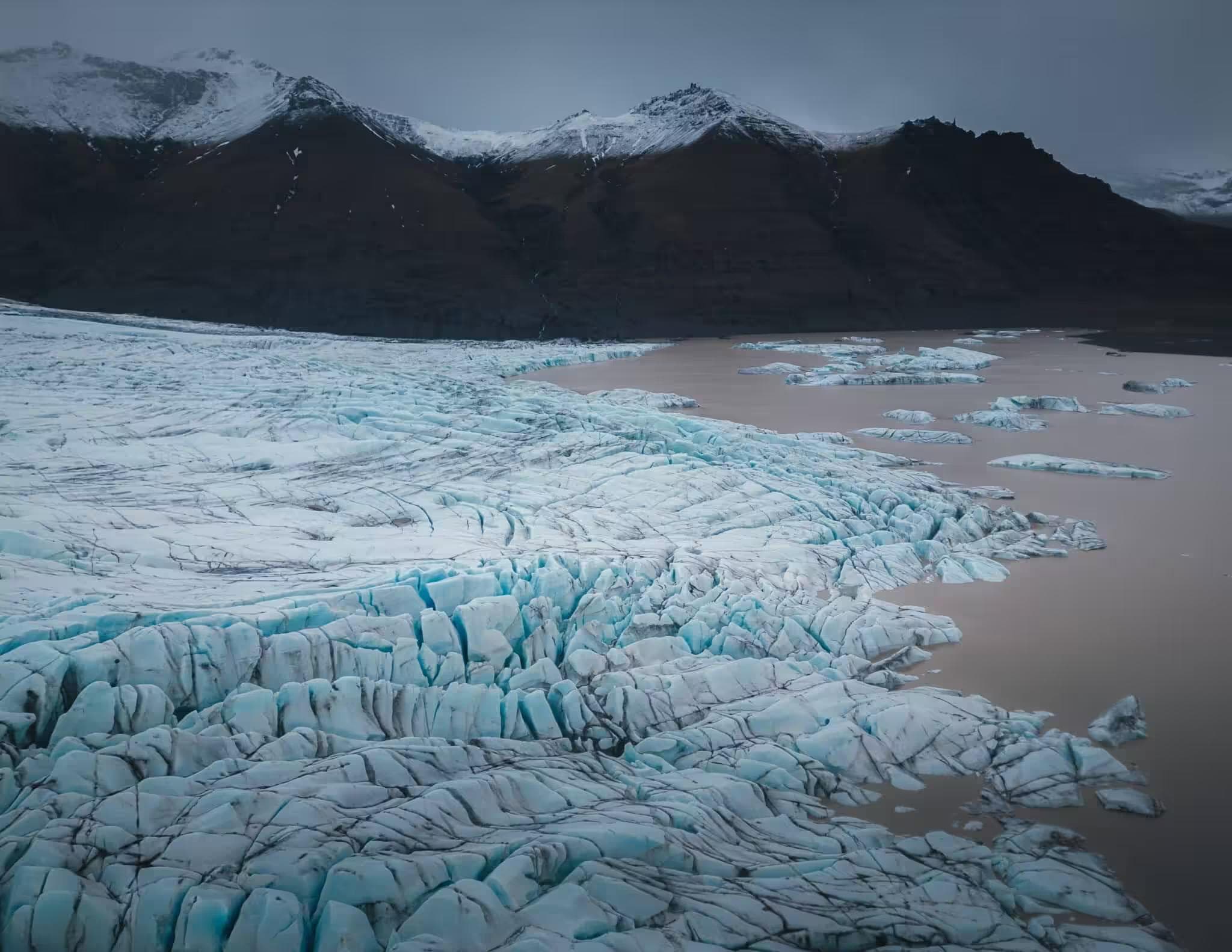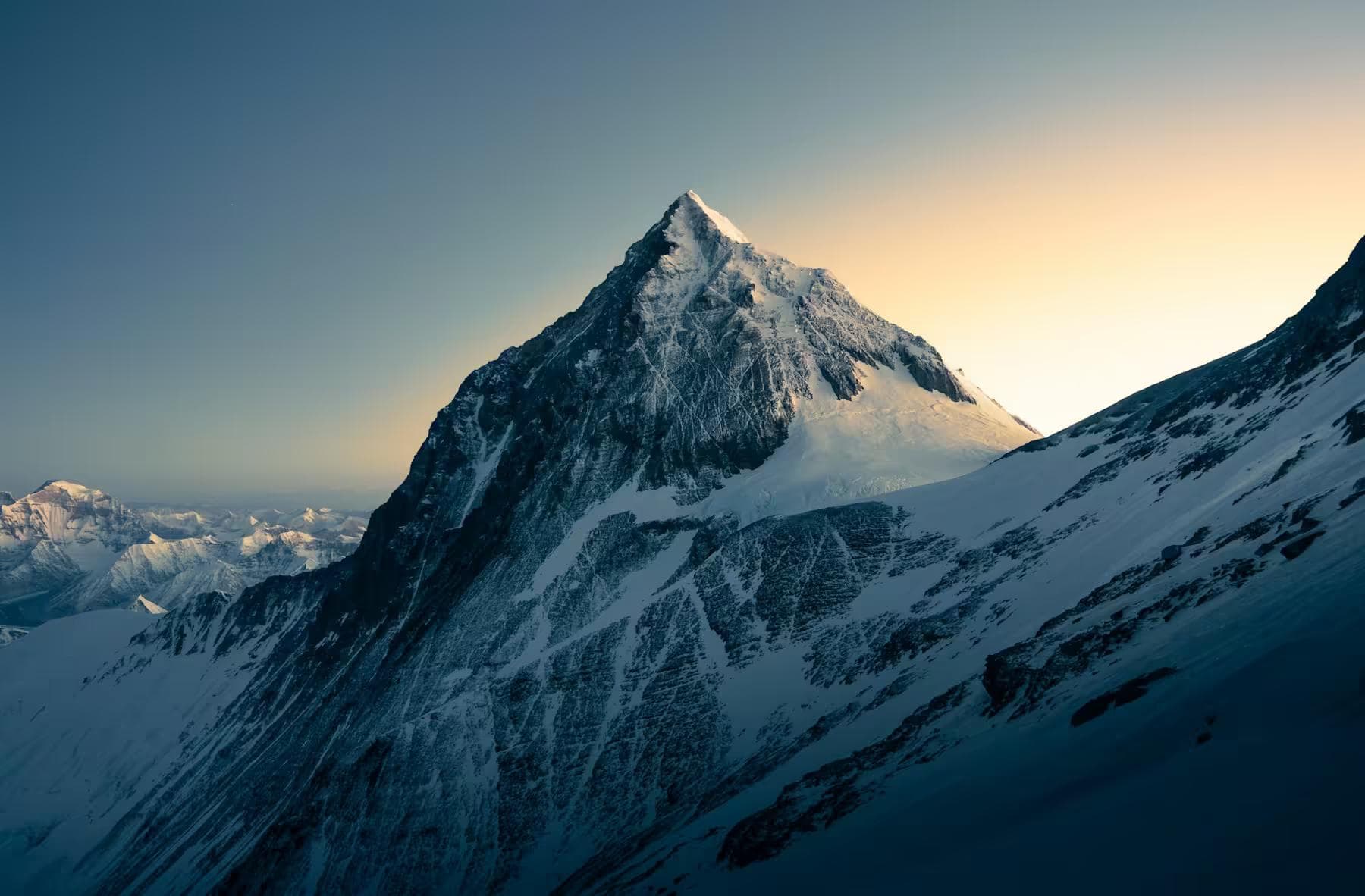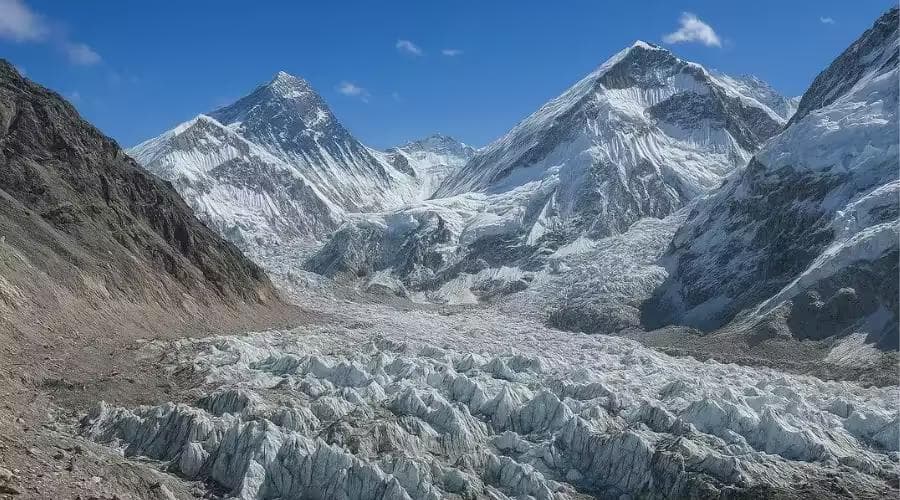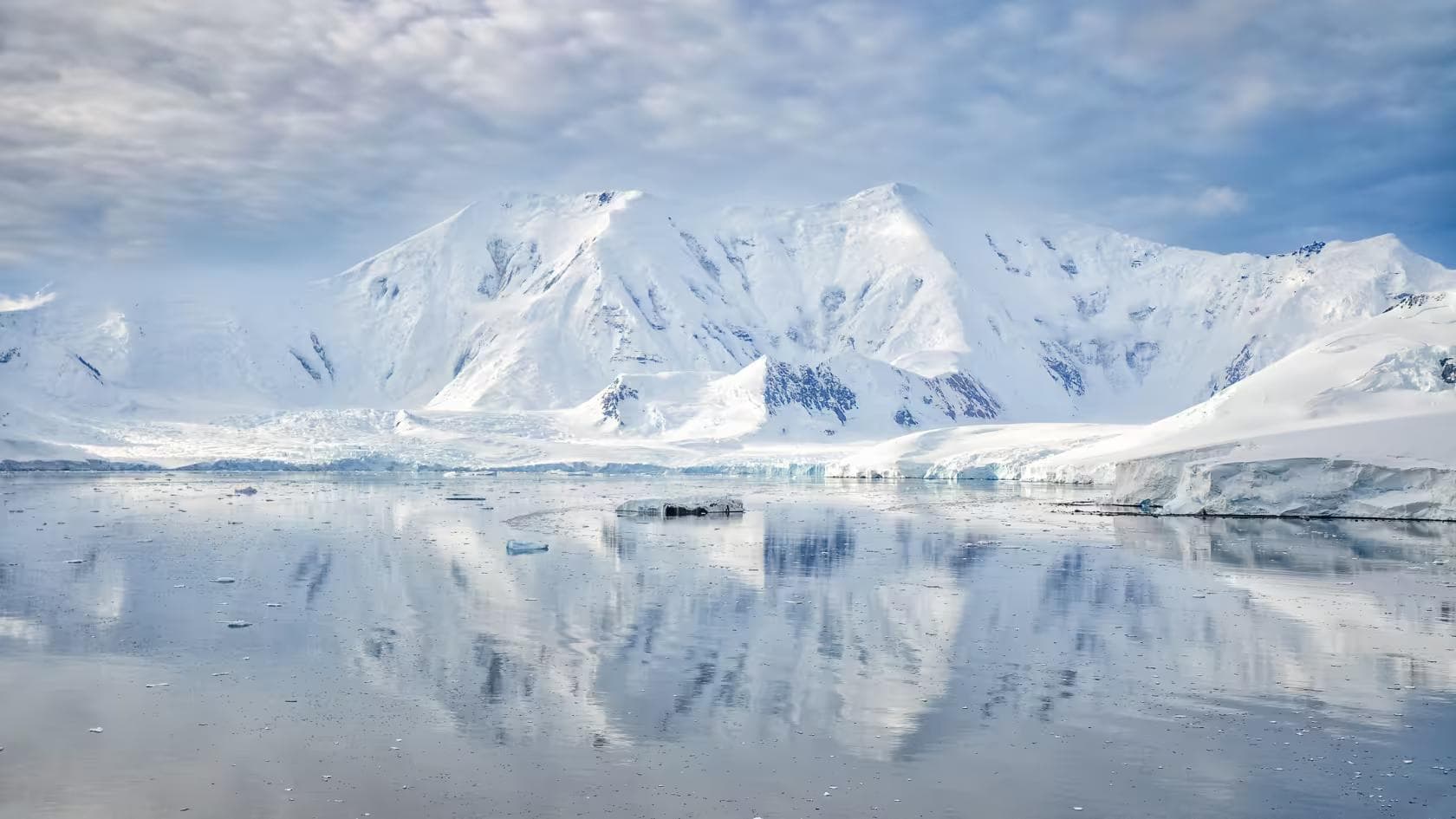
No sound in Antarctica does not belong to the continent itself. No traffic, no aircraft, no human infrastructure beyond the expedition camp — just the compression of wind across the polar plateau, the periodic crack of glacier ice adjusting to thermal change, and occasionally the complete silence that arrives between wind events when the air itself appears to have stopped. That silence is not peaceful in the way that mountain silence is peaceful. It is structural — the silence of a place so large and so indifferent to human presence that the sounds humans normally use to orient themselves have simply not arrived yet, and may not.
Antarctica covers 14 million square kilometers. It is the coldest, driest, and windiest continent on earth — average interior temperatures of -57°C, katabatic winds documented at 320 km/h, and a polar plateau that sits at an average elevation of 2,300 meters, making the effective altitude at sea level equivalent to standing at 3,500 meters elsewhere due to the atmospheric compression at the poles. No other environment on the planet combines these conditions simultaneously. Expedition preparation for Antarctica is not a matter of degree from other cold-weather trekking. It is a categorical departure from everything that temperate and alpine experience produces, and it requires being treated as such from the first planning conversation.
This guide covers two distinct Antarctic programs that the austral summer window permits: the Antarctic Peninsula expedition by research vessel — the most accessible Antarctic experience, combining wildlife, glacier, and polar landscape in a structured expedition framework — and the Mount Vinson ascent at 4,892 meters, the highest point on the continent and the most technically demanding objective described in this guide series. Both programs are covered within the two-month budget and duration, though most expeditions choose one or the other.
01The Antarctic Framework
Access to Antarctica is governed by the Antarctic Treaty System — a 1959 international agreement signed by 54 nations that designates the continent as a scientific preserve with freedom of scientific investigation and prohibition of military activity. Tourism and expedition operations are managed through the International Association of Antarctica Tour Operators (IAATO), whose membership is the minimum standard for any legitimate expedition operator.
Three operators with documented polar expedition capability:
- Antarctica21 — fly-cruise specialist, Peninsula access via Punta Arenas with Airlink to King George Island
- White Desert — the operator for Mount Vinson and interior Antarctica, operating from their Wolf's Fang Camp near the Ellsworth Mountains
- ALE (Antarctic Logistics & Expeditions) — the primary logistics provider for independent mountaineering expeditions to Vinson and the South Pole
The operator is not a travel agent in Antarctica. They are the life support infrastructure. Medical evacuation from the Antarctic Peninsula takes a minimum of 24 hours in favorable conditions. From the Vinson Massif, evacuation depends on weather windows that the polar plateau does not produce on request. The operator's emergency response capability — their aircraft, their medical resources, their communication systems — is the safety margin that no amount of personal equipment replaces.
Insurance
Antarctic-specific expedition insurance is mandatory and structurally different from standard mountaineering insurance. The policy must explicitly cover:
- Medical evacuation from latitude 60°S or further
- Helicopter and fixed-wing evacuation from an elevation up to 5,000 meters
- Repatriation from Punta Arenas or Cape Town
- Trip interruption due to weather-enforced delay (common and expensive in Antarctica)
Battleface and Global Rescue both offer policies with explicit Antarctic latitude coverage. Standard travel insurance excludes Antarctica by name in most cases. Read the policy exclusions before signing.
The Drake Passage — the 1,000-kilometer open ocean crossing between Tierra del Fuego and the Antarctic Peninsula — is the most consistently violent stretch of navigable ocean on earth. The convergence of Atlantic, Pacific, and Southern Ocean systems with no landmass to moderate wave height produces swells of 8–12 meters in standard conditions and 15+ meters in storm conditions. Scopolamine patches and oral anti-nausea medication (prescribed before departure) are not optional comfort measures. They are the physiological management that makes the 48-hour crossing survivable as a functional expedition member rather than a bedridden one. Obtain the prescription before leaving home.
02Program One: Antarctic Peninsula
All Peninsula expeditions begin in Punta Arenas — the Chilean port city at 53°S, the southernmost large city in the Americas, and the operational gateway to the Antarctic maritime zone. The Hotel José Nogueira or Dreams del Estrecho both serve as pre-expedition bases. Spend two nights minimum — one for gear consolidation into the Titan Hauler Duffel 150 load system, one for the mandatory operator briefing that IAATO regulations require before any vessel departure.
The Peninsula expedition vessel departs from the Punta Arenas waterfront or from Ushuaia in Argentina — the choice depends on the operator's routing. The Titan Hauler Duffel is the primary load container from this point: checked onto the vessel as expedition cargo, accessible in the cabin during the Drake crossing, then deployed as the shore excursion kit bag at each Peninsula landing. At 150L it carries the full polar personal kit — sleeping system, technical layers, photography equipment, and emergency supplies — in a single container that the vessel's cargo handling manages without repacking between landings.
The Peninsula Experience
The Antarctic Peninsula extends 1,300 kilometers north from the continent toward South America, its western coast fronting the Bellingshausen Sea and its eastern coast the Weddell Sea. The Peninsula's maritime climate — milder than the interior plateau, still brutal by any temperate standard — supports the wildlife concentrations that make it the Antarctic's most accessible ecological zone: penguin colonies of 100,000 individuals on single beaches, leopard seals hauled out on ice floes at eye level from the zodiac, humpback whales feeding within 20 meters of the inflatable boat in waters so clear the krill are visible at 3-meter depth.
Zodiac Operations
All Peninsula shore access is by Zodiac inflatable craft — the rubber expedition boat that operates in conditions from flat calm to 1.5-meter breaking surf on beach landings. The IAATO protocols governing landing sites limit visitor numbers to 100 per site simultaneously and prohibit approach within 5 meters of any wildlife. The 5-meter rule is not always enforced by the penguins, who are profoundly indifferent to human spatial protocols and frequently close the distance from their side.
The Tempest GTX Bib Pants and CoreHeat Expedition Layer work as the thermal system for Zodiac operations. The bib configuration eliminates the gap between jacket hem and pant waistband that the cold Drake Passage spray exploits — spray at -5°C in a zodiac at 20 km/h produces a wind chill effect that a standard jacket-trouser combination fails at the interface point within 15 minutes. The bib's chest-height coverage and the CoreHeat's moisture management provide continuous protection from departure to landing without the gap that shore excursions at -10°C make consequential.
Photography at -20°C
The SummitVoid Down Parka is the layer deployed between zodiac landings and during the static periods of polar wildlife photography — standing still on a Peninsula beach at -15°C for 45 minutes while a penguin colony resolves into a shootable composition produces a cold exposure rate that movement suppresses, but stillness accelerates. The parka's down insulation provides the warmth that the GTX shell does not — the shell manages weather, the parka manages cold — and the combination of both layers covers the full Peninsula temperature range from -5°C in wind to -25°C on the interior ice field day walks.
The TerraNav Pro GPS manages navigation during the interior ice field excursions that some Peninsula programs include — walks of 3–5 kilometers onto the permanent ice above the shoreline landing zones, where crevasse systems under snow bridges are marked by guide flags, and the GPS track provides the return navigation when weather closes the visual reference to the vessel below.
Battery performance in Antarctic temperatures degrades dramatically. Lithium cells lose 50–70% of their rated capacity below -20°C. Keep the TerraNav Pro GPS and camera batteries inside the inner jacket pocket — against the body — until the moment of use. A GPS device left in an outer pocket at -25°C for 20 minutes may not power on when required. This applies to every battery-dependent device on the expedition.
03Program Two: Mount Vinson
Mount Vinson sits in the Sentinel Range of the Ellsworth Mountains at 78°S — deep in the interior of West Antarctica, accessible only by ski-equipped aircraft from Union Glacier Camp, ALE's operational base on a blue ice runway 1,100 kilometers from the South Pole. The approach to Vinson from Punta Arenas involves:
- Commercial flight Punta Arenas to King George Island (2 hours)
- ALE charter flight King George Island to Union Glacier Camp (3–4 hours)
- ALE ski plane Union Glacier to Vinson Base Camp (1 hour)
The full logistics take 2–3 days, depending on the weather. The polar plateau weather that governs Union Glacier flight operations does not operate on a human schedule. Build five contingency days into the Punta Arenas stay before assuming the Union Glacier flight will operate on the departure date.
Vinson Base Camp to Summit
The Vinson ascent follows the Branscombe Glacier route — the standard approach established by the first ascent team in 1966 — from Base Camp at 2,100 meters to Low Camp at 3,100 meters, High Camp at 3,900 meters, and the summit at 4,892 meters. The elevation is not technically extreme by Himalayan standards. What makes Vinson demanding is the combination of polar latitude cold — Base Camp temperatures of -30°C in the austral summer, High Camp temperatures of -40°C in wind — and the complete evacuation isolation that no other 5,000-meter peak on earth produces.
Camp System
The Glacier Fortress Tent is the shelter system for all three camps. At Vinson High Camp at 3,900 meters in katabatic wind events — the downslope drainage winds that the Antarctic plateau generates as cold air flows off the interior ice sheet, reaching 80–100 km/h without the warm-sector pressure gradient that alpine storms provide — the tent's structural rating is tested at the upper end of its specification. Guy wire every available stake point at High Camp. The katabatic arrives without the barometric warning that alpine storm systems provide — calm conditions at 10:00 pm and 80 km/h wind at 2:00 am is the documented pattern, not an exceptional event.
The TerraLite Ground Sheet under the tent floor at all three camps — the insulation principle from the Baltoro guide applies here at lower temperatures and with higher consequence. At -40°C ground contact, the sleeping system's insulation is defeated by conductive heat transfer through the tent floor within 90 minutes without the ground sheet's thermal break.
The Sleeping System
The SummitCore Expedition Bag rated to -40°C lower limit is the minimum specification for Vinson High Camp. At -40°C ambient with katabatic wind, the effective sleeping temperature inside a correctly staked, ground-sheet-insulated Glacier Fortress Tent is approximately -30°C. The bag's lower limit rating of -40°C provides the margin that the 10-degree difference between ambient and tent interior represents. A bag rated to -30°C lower limit performs at approximately -20°C in these conditions — a gap that produces hypothermia during sleep at the mountain's most committed camp.
The Inferno X Expedition Stove
The Inferno X Expedition Stove is the cooking system for all three Vinson camps. Standard camping stoves fail at -30°C — the canister pressure drops below the threshold for consistent fuel vaporization, and the flame becomes unreliable. The Inferno X's integrated pre-heater system warms the canister before ignition, maintaining consistent fuel pressure down to -40°C. At High Camp, the stove produces the hot water that the expedition depends on for hydration, meal preparation, and the snow-melting that is the only water source at 3,900 meters on the Vinson ice field. Its failure at this camp is not an inconvenience — it is the removal of the water source.
Gloves & Hands at -40°C
The Icebound Expedition Gloves on Vinson operate at the lower end of their temperature rating. Above High Camp on the summit day, the wind chill at -40°C ambient in 30 km/h wind produces an effective temperature of -60°C on exposed skin. The gloves' triple-layer system — liner, insulation, waterproof shell — must be worn without the liner removal that fixed rope clipping sometimes requires at lower temperatures. On Vinson, the carabiner clip is practiced with full gloves at Base Camp until the technique is reliable. Bare hands at -40°C lose dexterity in 90 seconds and sustain frostbite in 3 minutes. There is no acceptable reason to remove the gloves above High Camp.
Medical Infrastructure
The Summit Medic Pro Kit is the expedition's medical response system for the Vinson ascent. At 78°S with no evacuation window available for 24–48 hours minimum in good weather and indefinitely in poor weather, the medical kit is not supplementary to professional medical care. It is the professional medical care for the duration of the weather window that prevents evacuation. The kit must include:
- Gamow bag (portable hyperbaric chamber) for altitude emergency
- Dexamethasone and nifedipine for HACE/HAPE treatment
- Frostbite management protocol and thawing equipment
- Wound closure and immobilization for traumatic injury
- 72-hour emergency medication supply beyond the planned expedition duration
The expedition leader or the designated medical officer must be trained in wilderness medicine at the Wilderness First Responder level minimum before the Vinson departure. A Summit Medic Pro Kit in the hands of someone without the training to use it is equipment, not capability.
Frostbite above High Camp on Vinson requires the specific management protocol: do not rub the affected tissue, do not rewarm in the field if refreezing is possible, descend immediately, and rewarm only in controlled conditions at Base Camp with water at 37–40°C. The historical record of Antarctic frostbite management contains a disproportionate number of cases where field rewarming followed by refreezing produced tissue loss that correct protocol would have prevented. Know the protocol before the summit day. The summit day is not the moment to read it for the first time.
04The Return
The return from either program — Peninsula vessel to Punta Arenas across the Drake, or Vinson to Union Glacier to King George to Punta Arenas — closes the Antarctic experience with the same logistical uncertainty that began it. Weather delays on the return are as common as on the approach, and the expedition member who has built a tight connection to an onward flight from Punta Arenas will miss it. Build five contingency days into the Punta Arenas return schedule regardless of the operator's optimistic window estimate.
In Punta Arenas after either program, the Remezón restaurant on Avenida 21 de Mayo serves the Magellanic lamb and the Chilean wine that the Antarctic return specifically requires — a meal at a table that does not move, in a room that is warm without a sleeping bag, in a city that has noise and traffic and the complete normality of human civilization that two months of polar expedition makes temporarily extraordinary. The Antarctic will still be there when the wine glass is empty. It has been there for 34 million years, and it is not going anywhere that a return expedition cannot follow.
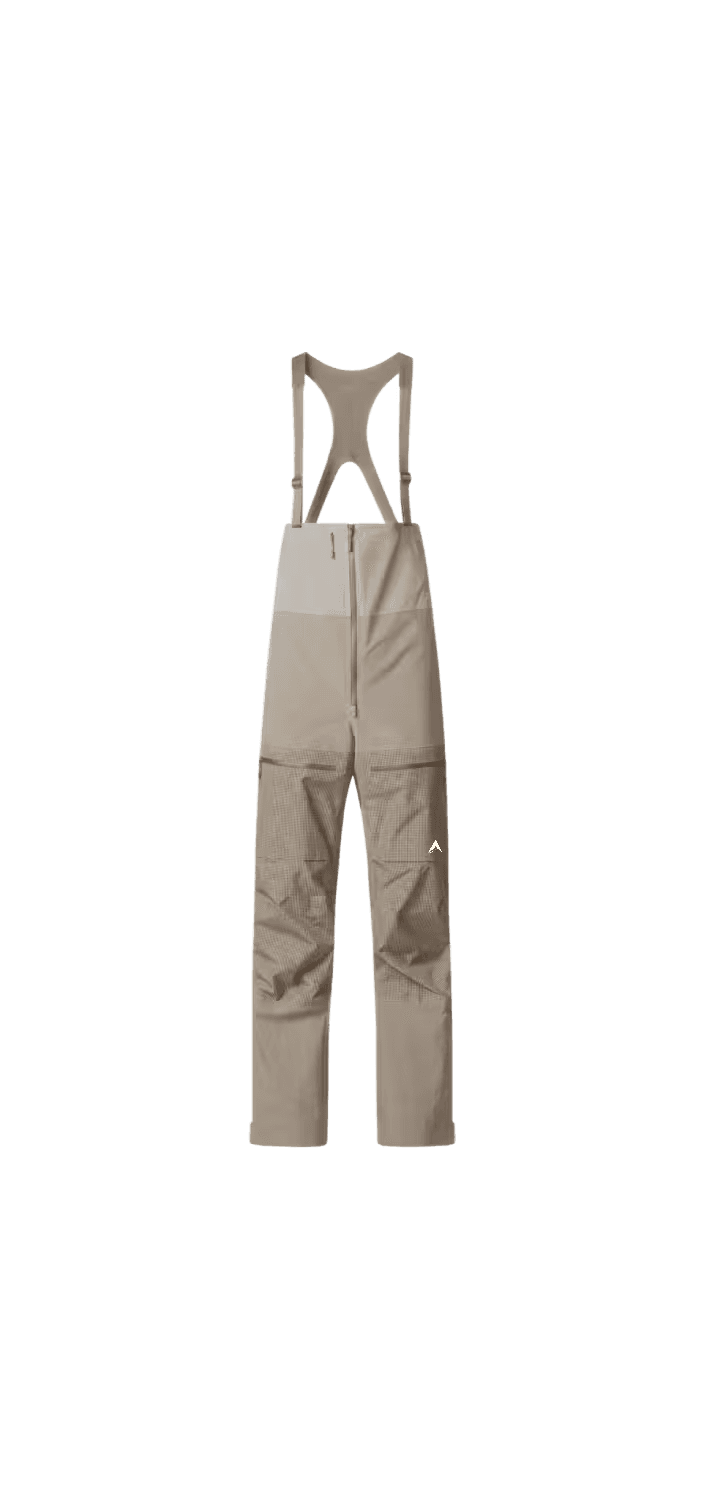
Tempest GTX Bib Pants
The bib configuration that makes 45-minute shore excursions in -15°C wind manageable
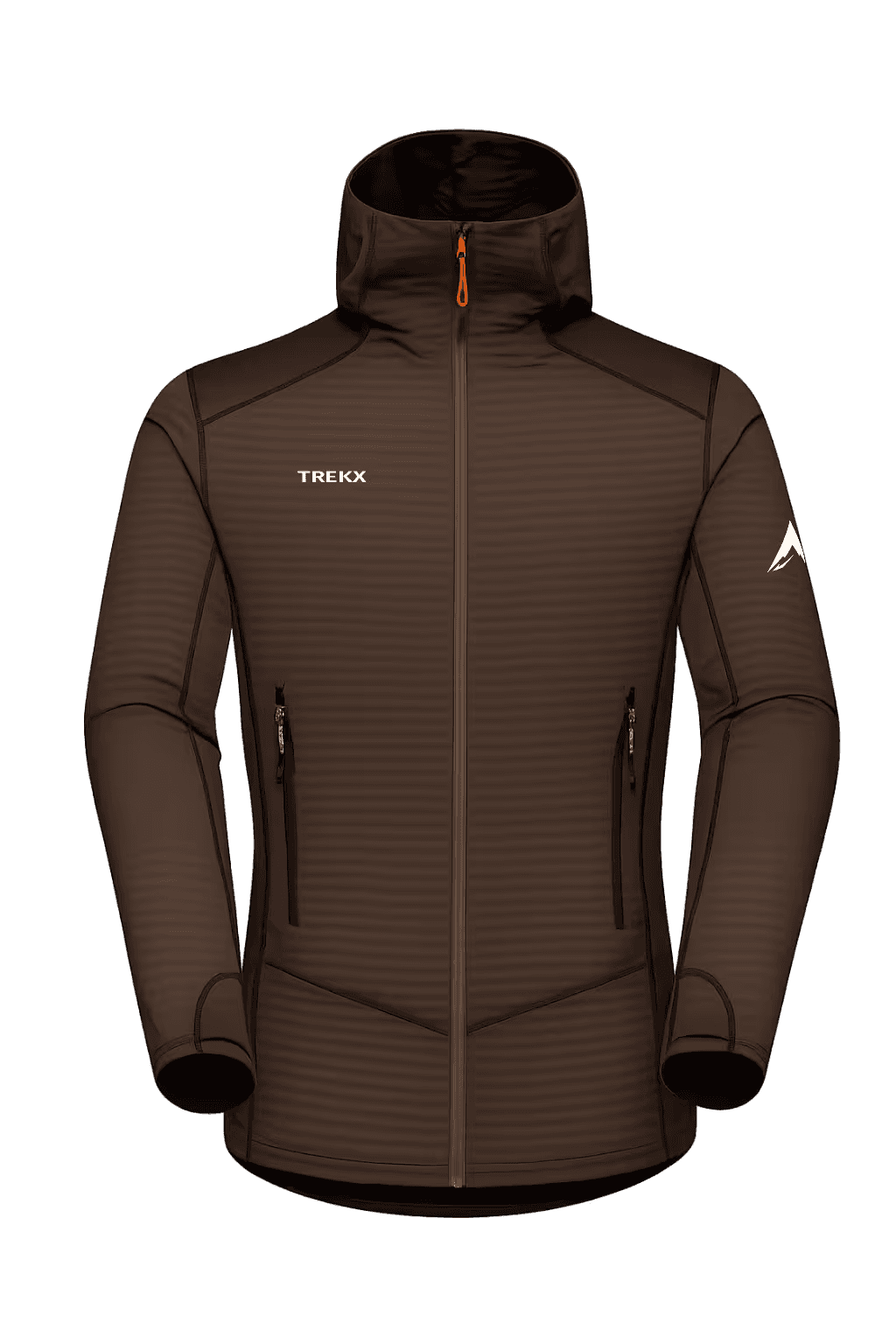
CoreHeat Expedition Layer
The base layer that keeps perspiration from becoming the cooling mechanism during -20°C rest stops where wet skin loses heat at a rate no outer layer recovers
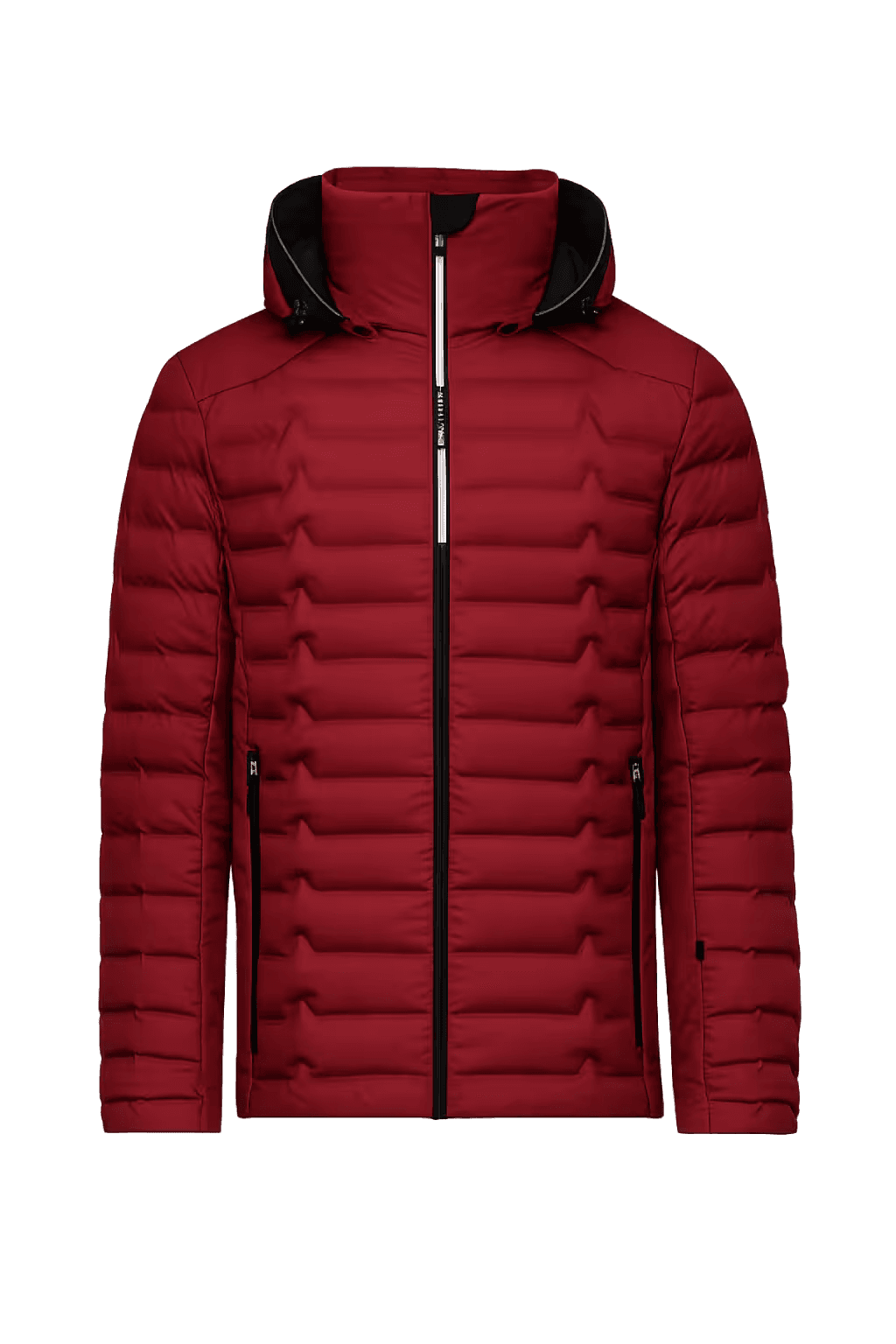
SummitVoid Down Parka
The static cold layer for Peninsula shore excursions and Vinson Base Camp evenings
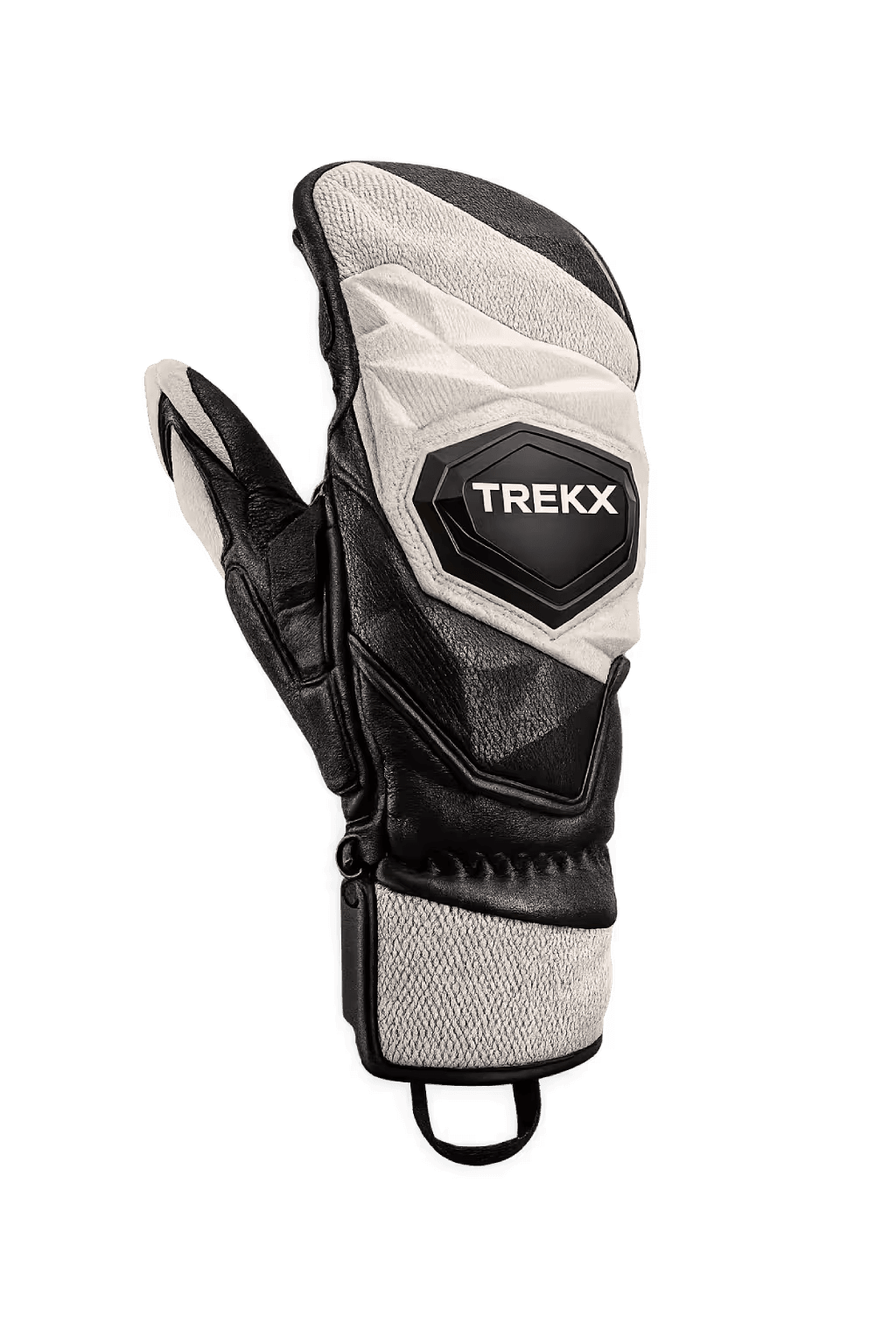
Icebound Expedition Gloves
Practiced at Base Camp for carabiner clipping technique with full gloves, because bare hands above High Camp sustain frostbite in 3 minutes
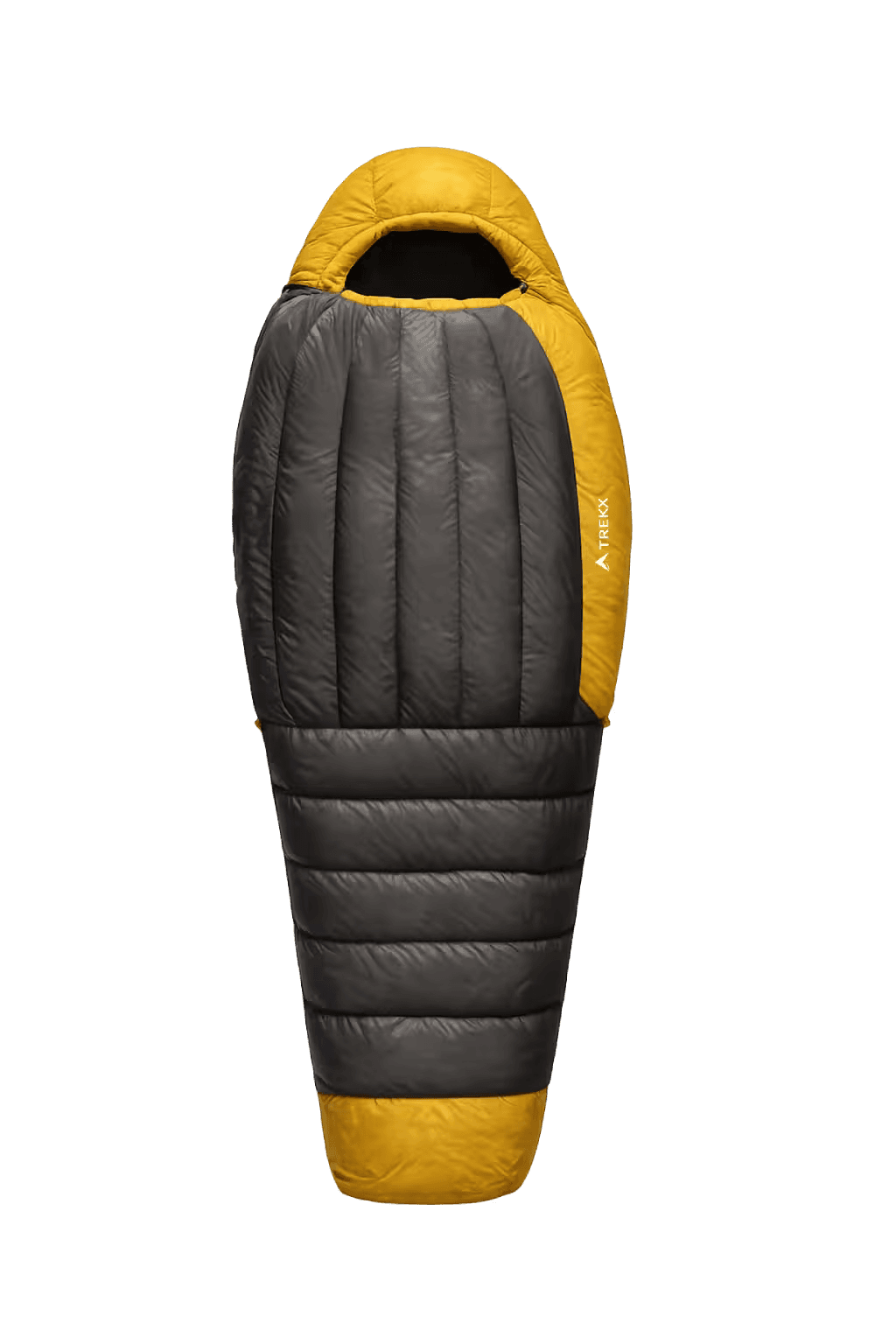
SummitCore Expedition Bag
Rated to -40°C lower limit for Vinson High Camp where tent interior temperature reaches -30°C in katabatic conditions
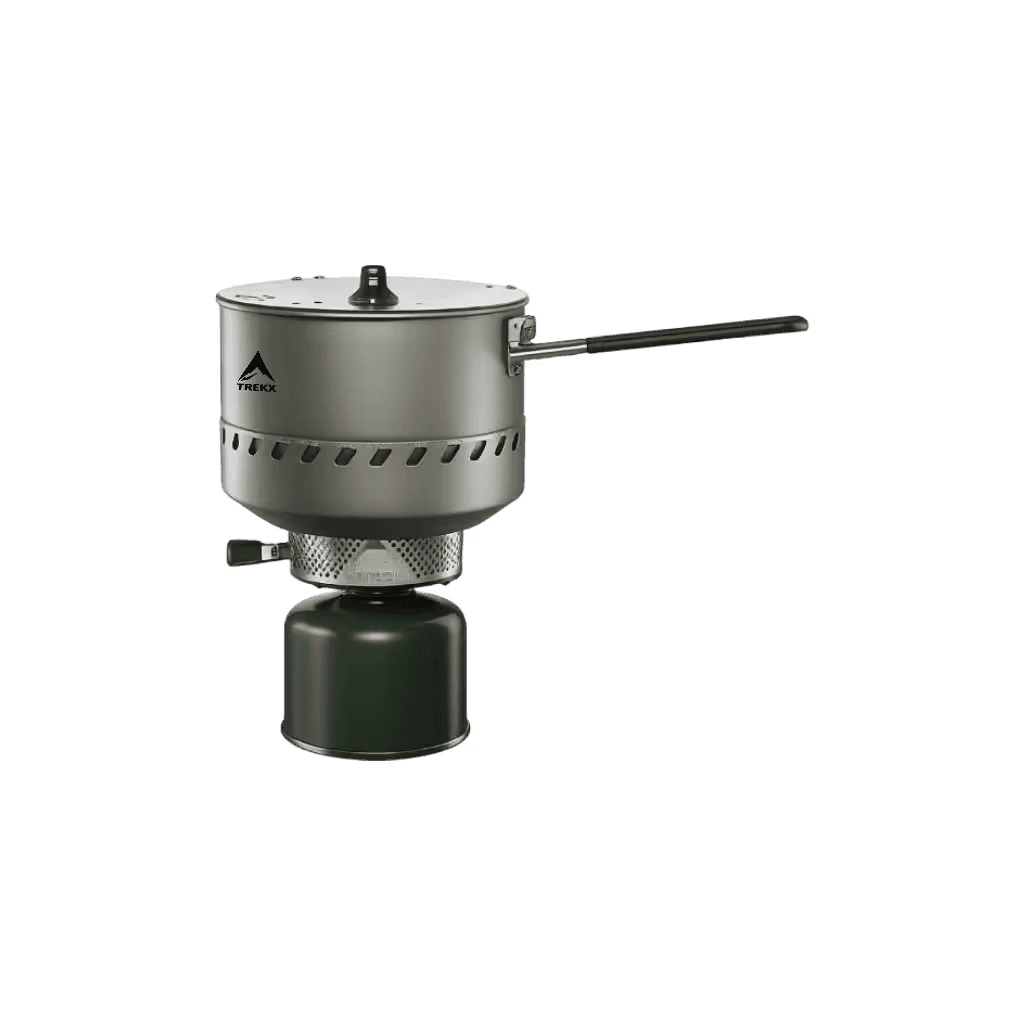
Inferno X Expedition Stove
Pre-heater system maintains canister pressure to -40°C at Vinson High Camp
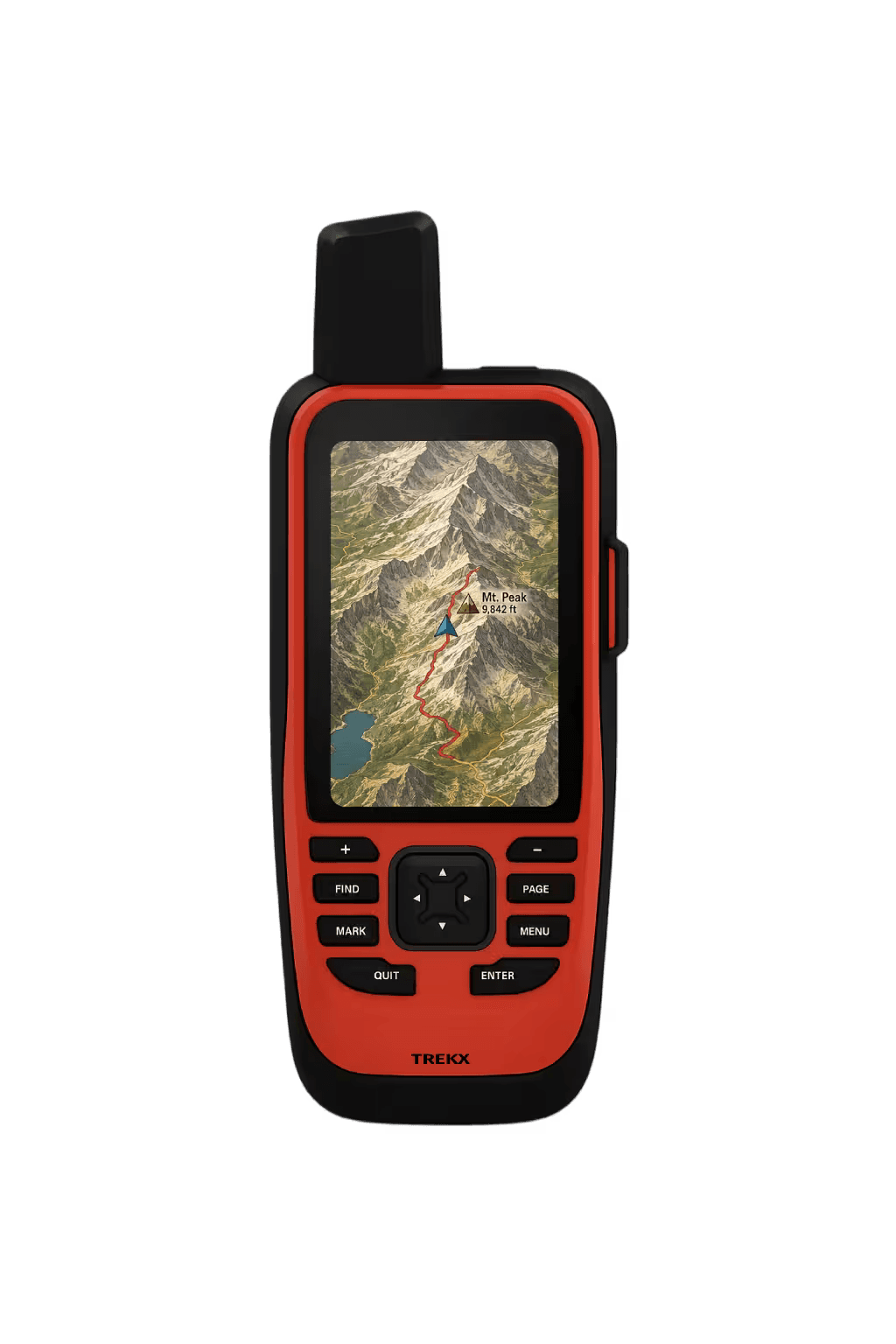
TerraNav Pro GPS
Navigation on Peninsula ice field excursions and Vinson glacier approaches where crevasse-marked routes and katabatic visibility reduction make visual navigation unreliable
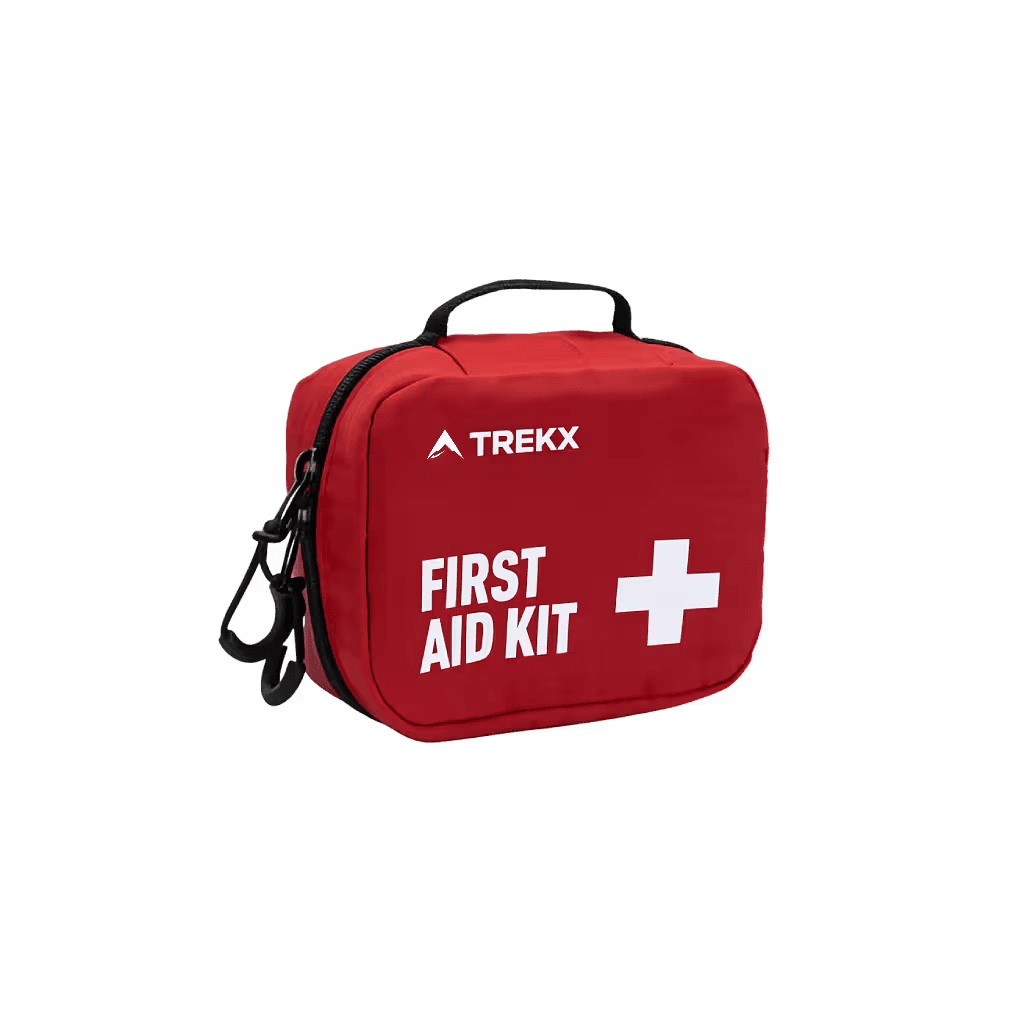
Summit Medic Pro Kit
The capability that replaces professional medical care for the duration of the weather window that prevents evacuation
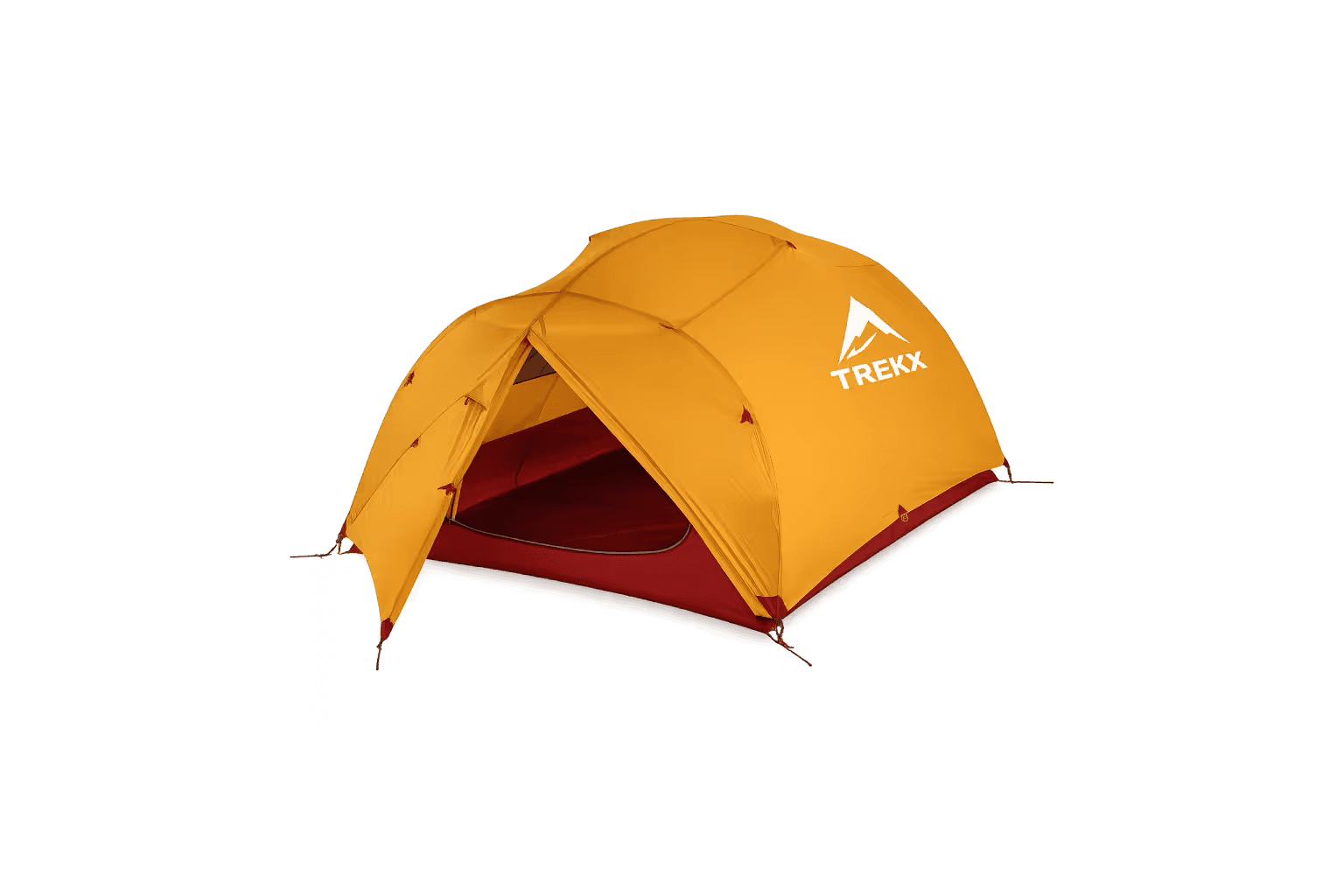
Glacier Fortress Tent
Four-season shelter for three Vinson camps where katabatic wind reaches 80–100 km/h without barometric warning
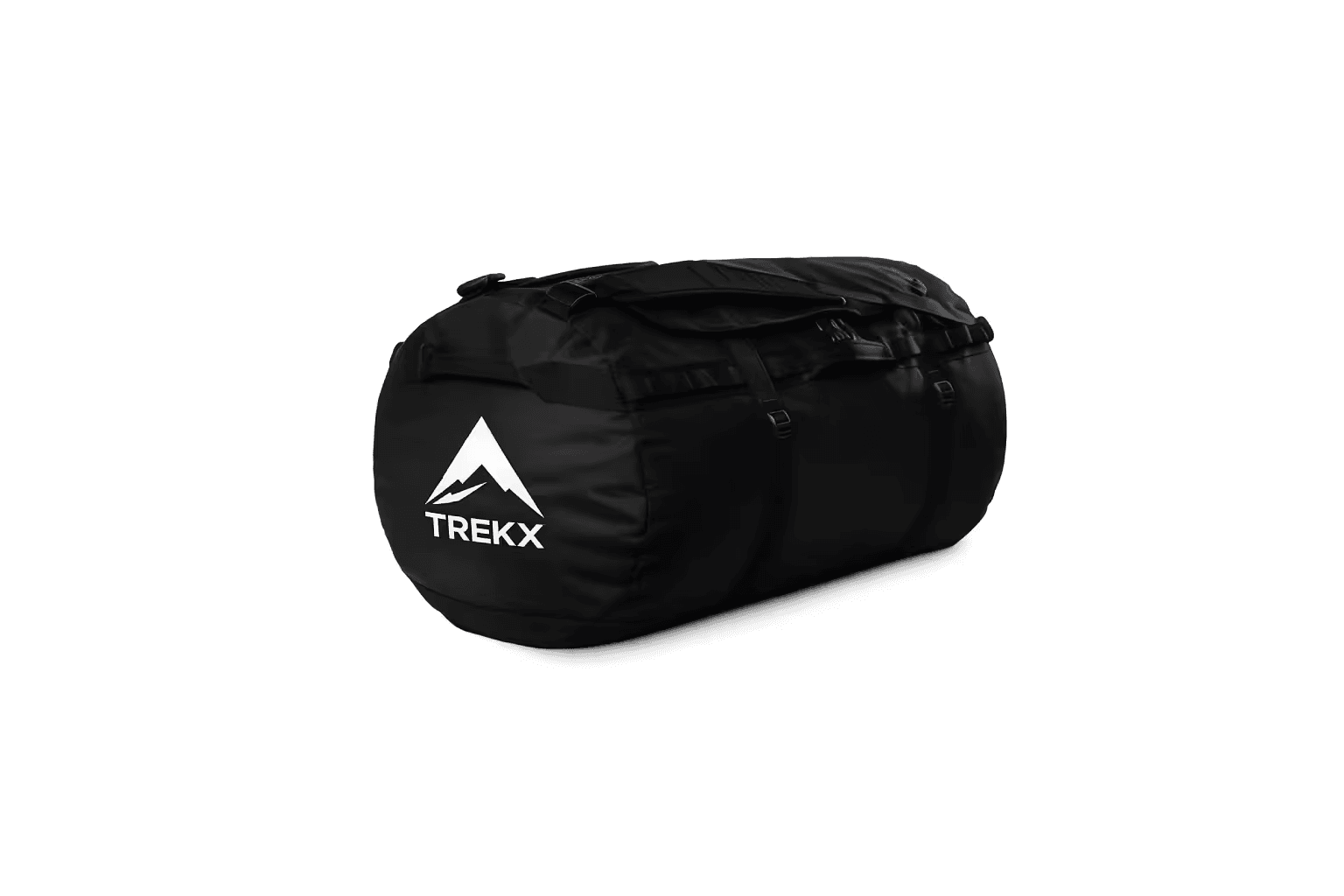
Titan Hauler Duffel 150
150L carries the full polar kit inventory through every transport mode change without repacking between the Drake crossing and the Vinson ice field