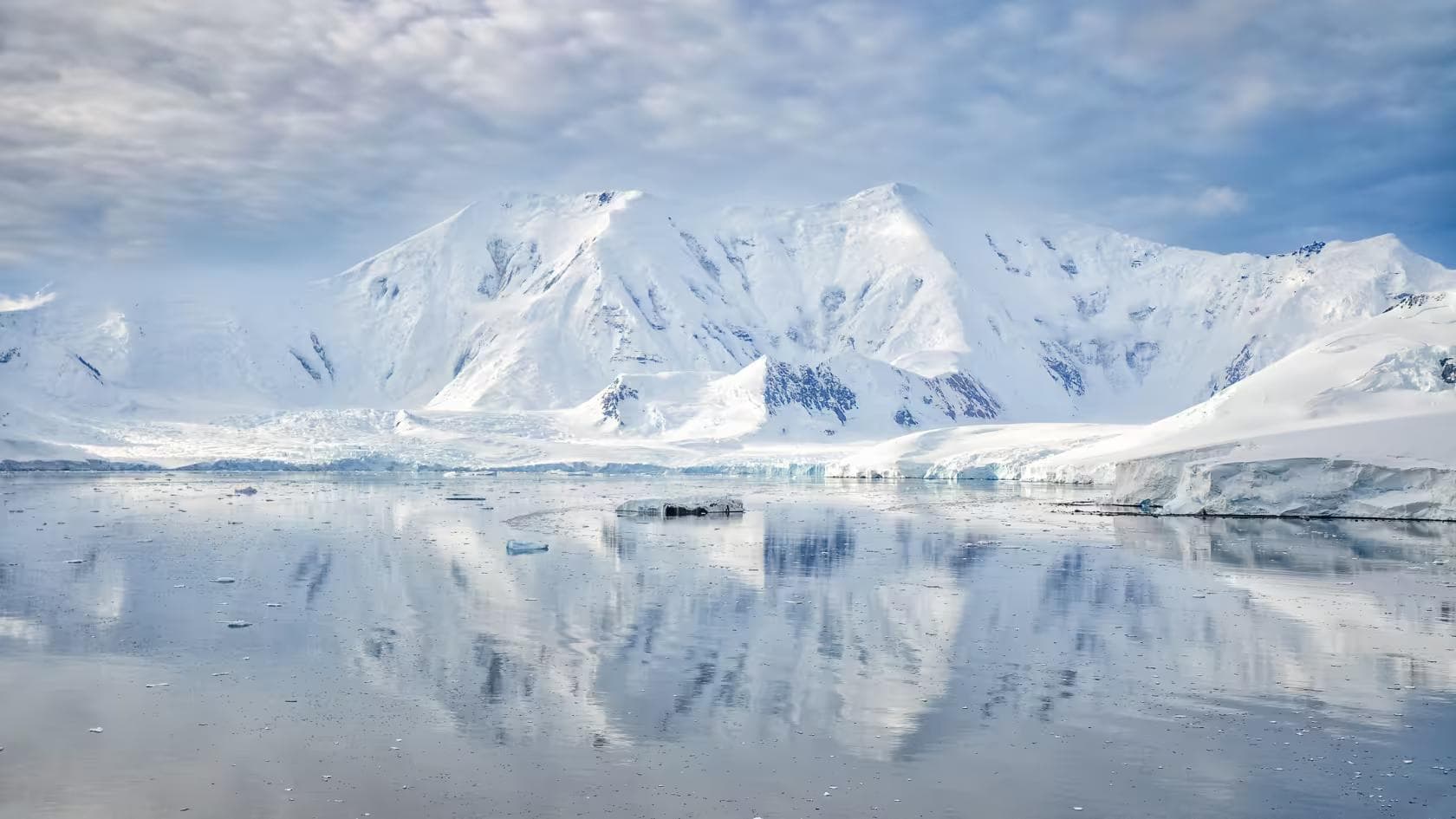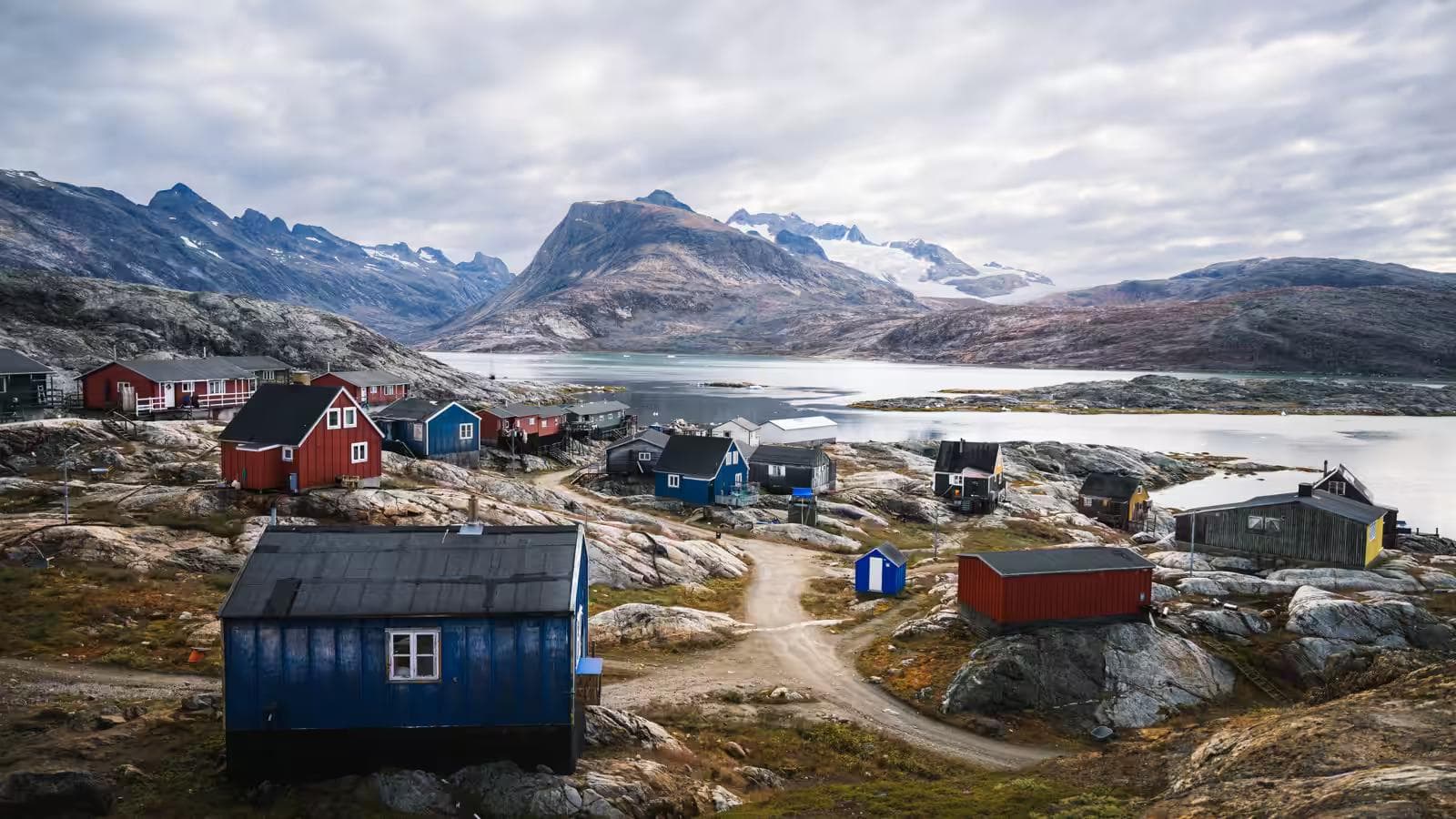
Svalbard sits at 78 degrees north — closer to the North Pole than to Oslo — and in April the sun has returned but not yet warmed anything it touches. The landscape is entirely white: the sea ice still continuous across the fjords, the mountain flanks buried under winter snowpack, the valleys filled with a silence that the wind interrupts periodically and then returns, unmodified. Longyearbyen, the main settlement, has a population of 2,400 and a polar bear population that outnumbers it. The bears are not a metaphor for the wilderness here. They are a logistical fact — every expedition outside the settlement boundary travels armed, because the terrain between the mountains and the sea ice belongs to the bears before it belongs to anyone else.
The archipelago covers 62,000 square kilometers between 74 and 81 degrees north in the Barents Sea, administered as a Norwegian territory under the Svalbard Treaty of 1920, which grants nationals of signatory countries the right to reside and conduct commercial activities. What the treaty does not grant is any reduction in the consequence of operating in an Arctic environment where the nearest hospital is in Tromsø, the weather is genuinely extreme, and the polar bear population makes solo travel in most of the archipelago a decision the Norwegian authorities prohibit. Svalbard rewards the expedition that arrives prepared for what it actually is — one of the most remote and environmentally serious destinations in this guide series — rather than the expedition that treats it as a dramatic backdrop for a ski tour.
01Longyearbyen Logistics
Longyearbyen is reached by SAS or Norwegian Air direct from Oslo Gardermoen — approximately 3 hours, daily year-round. The airport sits 3 kilometers from the settlement center; a taxi or the airport bus covers the connection. For expedition accommodation and operational planning, Svalbard Hotell and Radisson Blu Polar Hotel both work as pre-expedition bases with equipment storage.
Longyearbyen contains everything the expedition requires and nothing it does not. The gear shops — Svalbard Butikken and the Basecamp Explorer store — stock expedition supplies, gas canisters, and polar bear deterrent equipment. The Governor of Svalbard office (Sysselmannen) manages expedition permits, mandatory equipment checklists for travel outside the settlement, and the firearms registration for bear protection weapons.
Polar Bear Protocol
Travel outside Longyearbyen requires compliance with the Governor's mandatory equipment list, which includes:
- Flare pistol and cartridges — minimum 12 cartridges, carried on the body not in the pack
- Trip wire alarm system — deployed around the camp perimeter every night
- Rifle (minimum 7.62mm) — carried by at least one expedition member at all times
For expeditions without a licensed firearms carrier, the Governor requires a certified Svalbard guide as part of every party traveling in polar bear territory. This is the correct approach for this itinerary — the guide provides both the bear protection and the local terrain knowledge that the archipelago's rapidly changing sea ice and snowpack conditions require.
Three operators with documented Svalbard expedition capability:
- Svalbard Wildlife Expeditions — specialist spring ski touring with armed guide
- Basecamp Explorer — established Longyearbyen operator, ice travel expertise
- Spitsbergen Travel — the largest Svalbard operator, widest range of spring programs
Polar bear encounters outside Longyearbyen are not exceptional events. The Norwegian Polar Institute documents an average of 5–8 serious human-bear incidents annually on Svalbard. The correct response to a bear encounter follows a specific protocol: do not run, assess the bear's behavior (curious versus directed approach), deploy flare if the bear advances beyond 50 meters, prepare rifle if the bear continues within 30 meters. Know the protocol before departure. Practice the flare pistol operation at the Longyearbyen range before the first day outside the settlement. The first encounter is not the moment to read the instructions.
02Days One–Three: Longyearbyen Orientation
The three preparation days in Longyearbyen are operationally intensive — permit registration, guide briefing, equipment verification, and the mandatory Governor's equipment check for parties traveling on the sea ice.
Equipment Check
The Summit Medic Pro Kit receives specific attention during the pre-expedition equipment check. At 78°N with the nearest surgical facility in Tromsø — a helicopter flight of 2.5 hours in favorable conditions and indefinitely longer in the storms that Svalbard produces without warning — the medical kit is the hospital for any injury that occurs outside the settlement. The kit must include frostbite management protocol and materials, splinting for fracture immobilization, and the specific wound management supplies that a polar bear mauling — a low-probability, high-consequence event — requires for stabilization during evacuation. The guide assesses the expedition medical lead's training at the briefing. Wilderness First Responder certification is the minimum standard.
The FangGrip Crampons are fitted to the Glacier Apex Boots and tested on the sea ice below Longyearbyen before the first expedition day. Spring sea ice in Svalbard carries wind-polished sections of blue ice at irregular intervals — the crampon technique that functions on a mountain glacier transfers directly, but the sea ice's flat surface and the loaded pulk sled create a different balance dynamic that the first 500 meters of the expedition reveals clearly. Better to discover the fit issue on the Longyearbyen waterfront than on the Nordenskiöldbreen glacier approach.
The NovaBeam Headlamp is technically redundant in April — the midnight sun has returned and the 24-hour daylight means that the lamp is never operationally required for navigation. It is required for the tent interior, for equipment inspection in the sleeping bag hood at 3:00am, and for the specific task of reading the TerraNav Pro GPS inside a sleeping bag in a storm when the tent fabric makes everything dark regardless of the sun outside. Pack it in the top lid of the SkyShield Airbag Pack — accessible without removing the pack, which matters when the hands are in mitts and the temperature is -25°C.
03Days Four–Seven: Von Postbreen Glacier Approach
Distance: 40km | Elevation gain: 600m to glacier | Daily distance: 10–12km
The expedition departs Longyearbyen by snowmobile transfer to the Adventdalen valley mouth — the flat glacier-carved valley running east from the settlement — and begins the ski traverse toward the Von Postbreen glacier system in the Sabine Land region. The approach follows the frozen Adventfjorden sea ice before transitioning to the valley floor and the lower glacier moraine at approximately 400 meters elevation.
Sea Ice Travel
The sea ice in late April carries a different character from the alpine glacier ice of previous guides. The surface is wind-redistributed snow over salt-water ice of variable thickness — navigable at 1 meter depth, dangerous at 30 centimeters, and impossible to distinguish visually without probing. The guide leads across the ice, probing at 10-meter intervals through the pressure ridge zones where sea ice plates have buckled against each other. The FrostPeak Alpine Poles provide both the probing function — tip planted vertically, weight applied, listening for the hollow sound that indicates thin ice — and the movement efficiency on the flat surface that the pulk sled requires. On sea ice, the poles are not a balance aid. They are the early warning system.
The SkyShield Airbag Pack and Avalanche Response System are active from the Von Postbreen approach onward. Svalbard's spring avalanche frequency is among the highest in the Arctic — the winter snowpack accumulation on the steep fjord walls, destabilized by the April warming at lower elevations, releases without the visual crown-fracture warning that alpine avalanche terrain typically provides. The airbag pack deployment is practiced at the Longyearbyen range before departure. The Avalanche Response System beacon is worn on the body from the first expedition day, not in the pack. The 15-minute survival window after burial does not accommodate the time required to remove a pack and locate a beacon stored inside it.
Glacier Camp
The Von Postbreen glacier camp at 600 meters is the expedition's first elevated position — the glacier surface in April is compacted névé, wind-hardened to a consistency that the tent stakes penetrate with difficulty and that the guy wire anchoring requires buried deadman anchors rather than standard stakes. Cut T-shaped slots in the snow surface, insert the stake horizontally, compact snow over it. The deadman anchor in spring Arctic snow holds at 8–10 times the load of a surface stake in the same material. Every guy wire, every time.
The SummitVoid Down Parka deploys at camp from the moment skiing stops. The Von Postbreen glacier in April at -20°C produces a cooling rate in still air that the active travel heat masks entirely. The parka goes on over the Tempest GTX Pro Shell before the pulk sled is unloaded — the 90-second window between movement and shelter is the window that cold exploits on a glacier with nothing to stop the wind between the camp and the pole.
The Inferno X Expedition Stove fuel consumption on Svalbard exceeds the Antarctic and Alaska guides' figures by approximately 20% — the lower ambient temperature and the longer daily snow-melting requirement (sea ice and glacier snow contain salt and particulate matter that the PureFlow Water Filter handles but that requires more melting volume for equivalent clean water output) drive the fuel budget above standard polar calculations. Plan 600ml of fuel per person per day rather than the standard 500ml for high-latitude Arctic conditions.
04Days Eight–Twelve: Nordenskiöldbreen & High Plateau
Distance: 15km to plateau | Elevation gain: 1,100m | Time: 3 days
The central section of the itinerary climbs from the Von Postbreen confluence to the Nordenskiöldbreen plateau at approximately 1,200 meters — a high-altitude glaciated landscape that the archipelago's mountain geography produces above the fjord systems, with the Newtontoppen massif at 1,717 meters visible to the northeast as the island group's highest point.
Crevasse Zone Navigation
The transition from the lower Von Postbreen névé to the upper glacier plateau crosses a compression zone where the ice flow rate changes — the surface crevassing here is moderate by alpine standards and serious by polar standards, because the snow bridge depth in spring is unreliable and the crevasse width below the bridge is frequently larger than the surface expression suggests. Rope team travel with 10-meter spacing, probe every bridge before committing the sled weight, and mark the route with wands for the descent.
The TerraNav Pro GPS tracks the rope team's position through the crevasse zone against the pre-loaded safe route from the operator's previous season crossings. The crevasse pattern changes annually as the glacier flow adjusts to winter accumulation and spring melt — use the GPS track as a directional guide, not as an absolute safe route, and probe independently of what last year's track confirms. The two navigation systems — GPS for direction, probe for ground truth — work together rather than either one replacing the other.
Plateau Movement
Above the crevasse zone, the plateau opens to the full Arctic sky — the horizon in every direction is the white of glacier ice meeting blue sky, the Svalbard mountain peaks emerging from the ice surface as dark rock islands. In good visibility this section covers 8–10 kilometers per day on ski with the pulk. In storm conditions it covers zero, and the tent goes up wherever the last good snow surface was reached before visibility dropped.
The Tempest GTX Bib Pants and CoreHeat Expedition Layer function as the continuous movement system at plateau elevation. At 1,200 meters on the Nordenskiöldbreen in April, the wind chill in a 30 km/h Arctic wind produces an effective temperature of -35°C to -40°C. The bib's chest coverage eliminates the gap at the jacket waist; the CoreHeat's moisture management prevents the base layer saturation that six hours of ski travel produces from becoming the cooling agent during the plateau lunch stop.
Polar storms on the Svalbard plateau arrive with a 2–4 hour barometric warning and establish faster than any alpine storm equivalent. A storm that begins as increased wind at 9:00am can produce 70 km/h sustained wind and 10-meter visibility by noon. The Glacier Fortress Tent snow wall protocol — windward wall 1.2 meters high, constructed in the first 20 minutes of camp setup — must be applied at every plateau camp regardless of the current conditions. The tent that was set up in calm conditions at 3:00pm is the tent that the 2:00am storm finds without a wall. Do not rationalize skipping the wall. The Arctic does not offer a second chance to build it.
05Days Thirteen–Fourteen: Return & Departure
The descent from the Nordenskiöldbreen plateau to the Adventdalen valley floor reverses the approach in two days — faster on ski than the ascent and more demanding on the bear watch rotation, as the lower elevation terrain approaching the settlement perimeter carries higher polar bear activity than the upper glacier. The bear watch is maintained continuously throughout the descent: one team member scanning while the others ski, rotation every 30 minutes.
The FrostPeak Alpine Poles provide the descent braking system on the steeper glacier flanks — the pulk sled's downhill momentum on a 15-degree glacier slope requires the poles as a speed management tool rather than a balance one. The descent technique — poles planted slightly behind the body, weight back on the skis, sled tension managed through the trace line — is the technique practiced on the lower approach slopes before the upper glacier committed the team to it at consequence.
Final Night in Longyearbyen
The return to Longyearbyen by snowmobile transfer from the Adventdalen valley mouth closes 10 days of Arctic expedition with the settlement's infrastructure arriving as a series of specific sensory restorations: warmth that does not require a sleeping bag, food that was not reconstituted from a foil packet, the absence of the wind sound that has been the constant acoustic background of the plateau for four days. The Huset restaurant in Longyearbyen — the northernmost restaurant in the world with a serious wine cellar — serves Arctic char and reindeer in a dining room that the post-expedition appetite receives as disproportionately excellent. The expedition debrief happens over dinner. The permit return documentation is filed with the Governor's office the following morning. The flight south to Oslo departs in the afternoon.
Svalbard from the aircraft window — the sea ice still continuous below the wing, the glacier systems visible from altitude as white corridors between dark rock ridges — looks exactly as large and exactly as cold as the two weeks inside it suggested. The Arctic does not become smaller on departure. It simply becomes distant, and the distance, after two weeks of proximity, feels like a specific kind of loss.
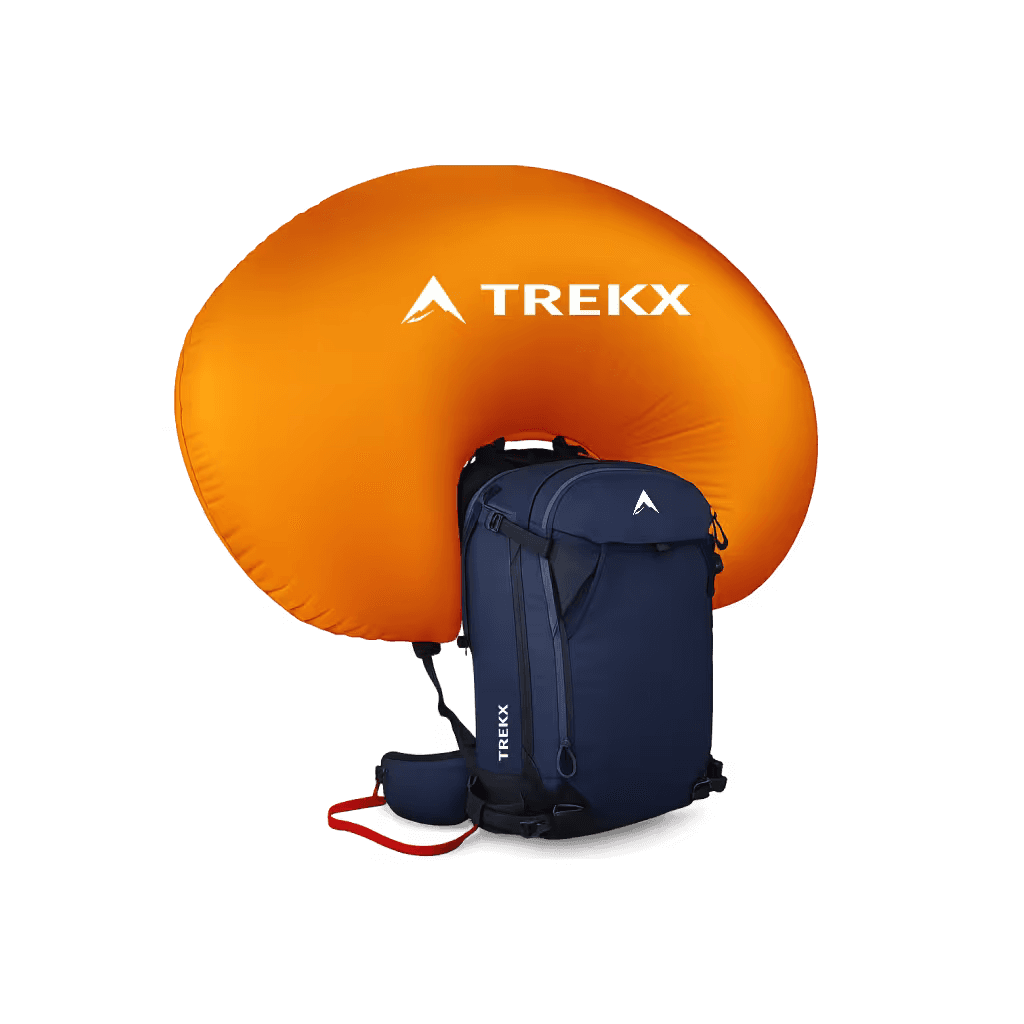
SkyShield Airbag Pack
Avalanche airbag deployment for the Von Postbreen and Nordenskiöldbreen approaches where spring snowpack release on steep fjord walls occurs without visual crown-fracture warning
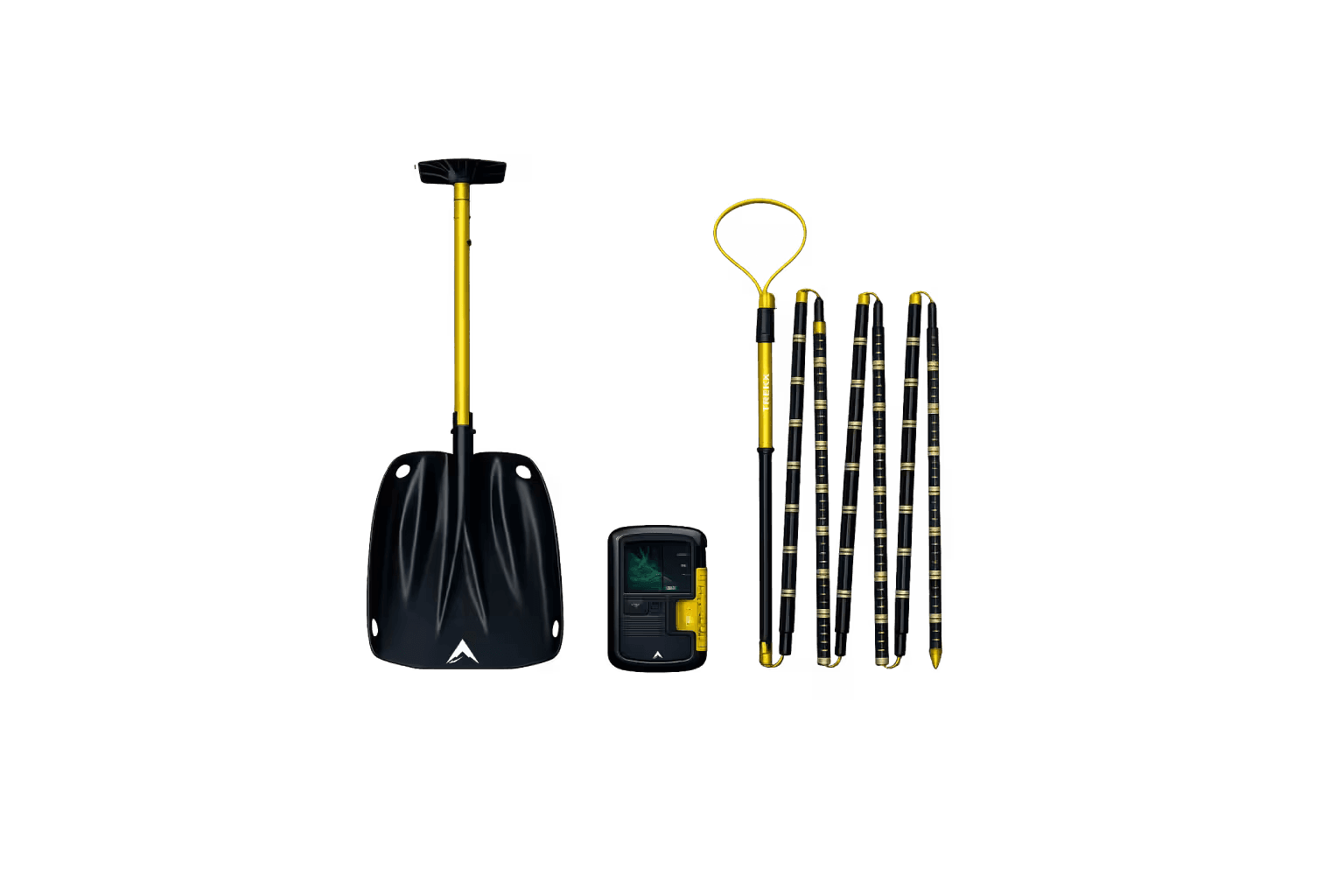
Avalanche Response System
The 15-minute burial survival window does not accommodate pack removal to locate a stored beacon, and the probe and shovel are accessible in the airbag pack for immediate deployment
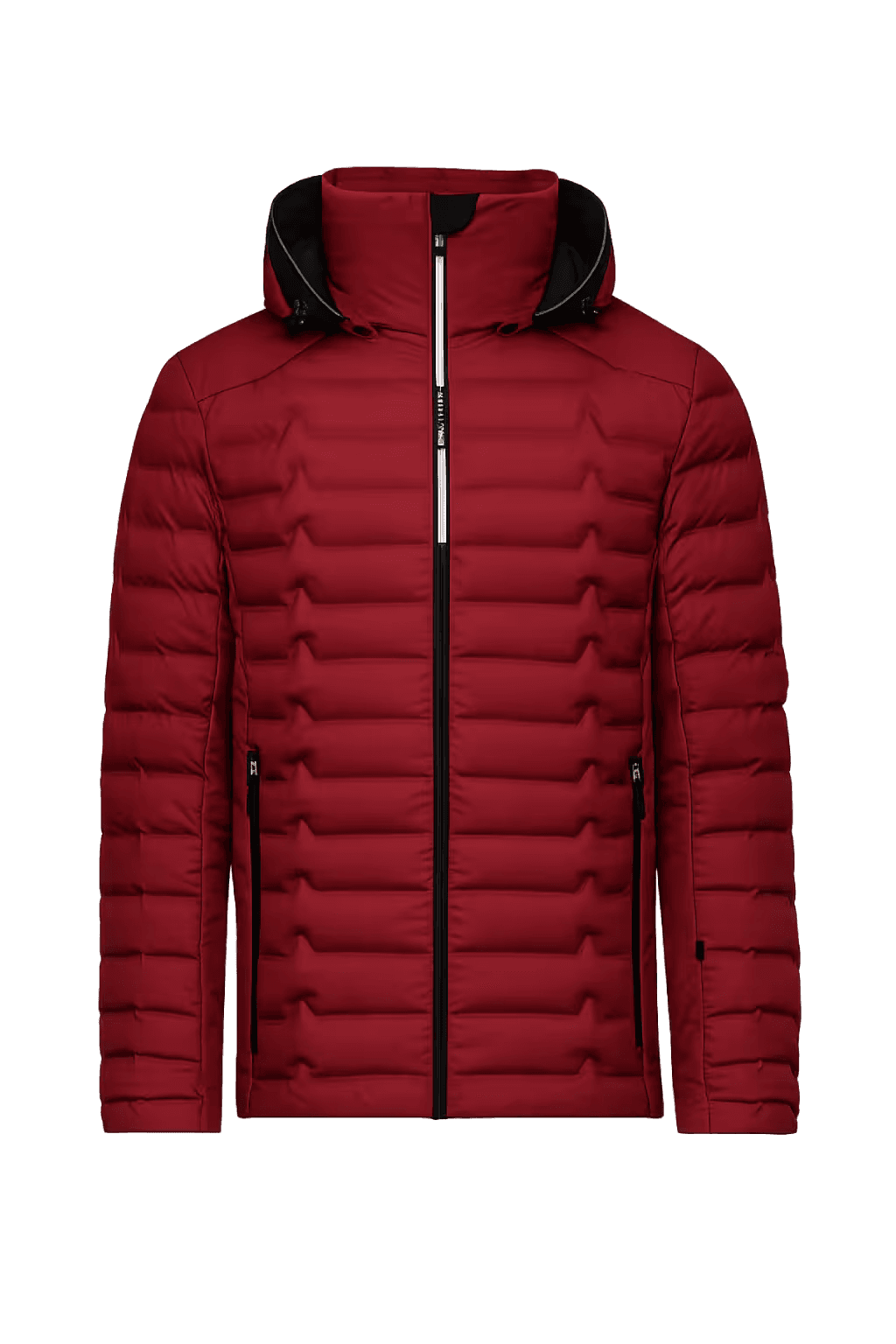
SummitVoid Down Parka
The insulation that covers the cooling rate that -20°C glacier air produces before the tent provides shelter and that the GTX shell manages weather but not standing-still cold
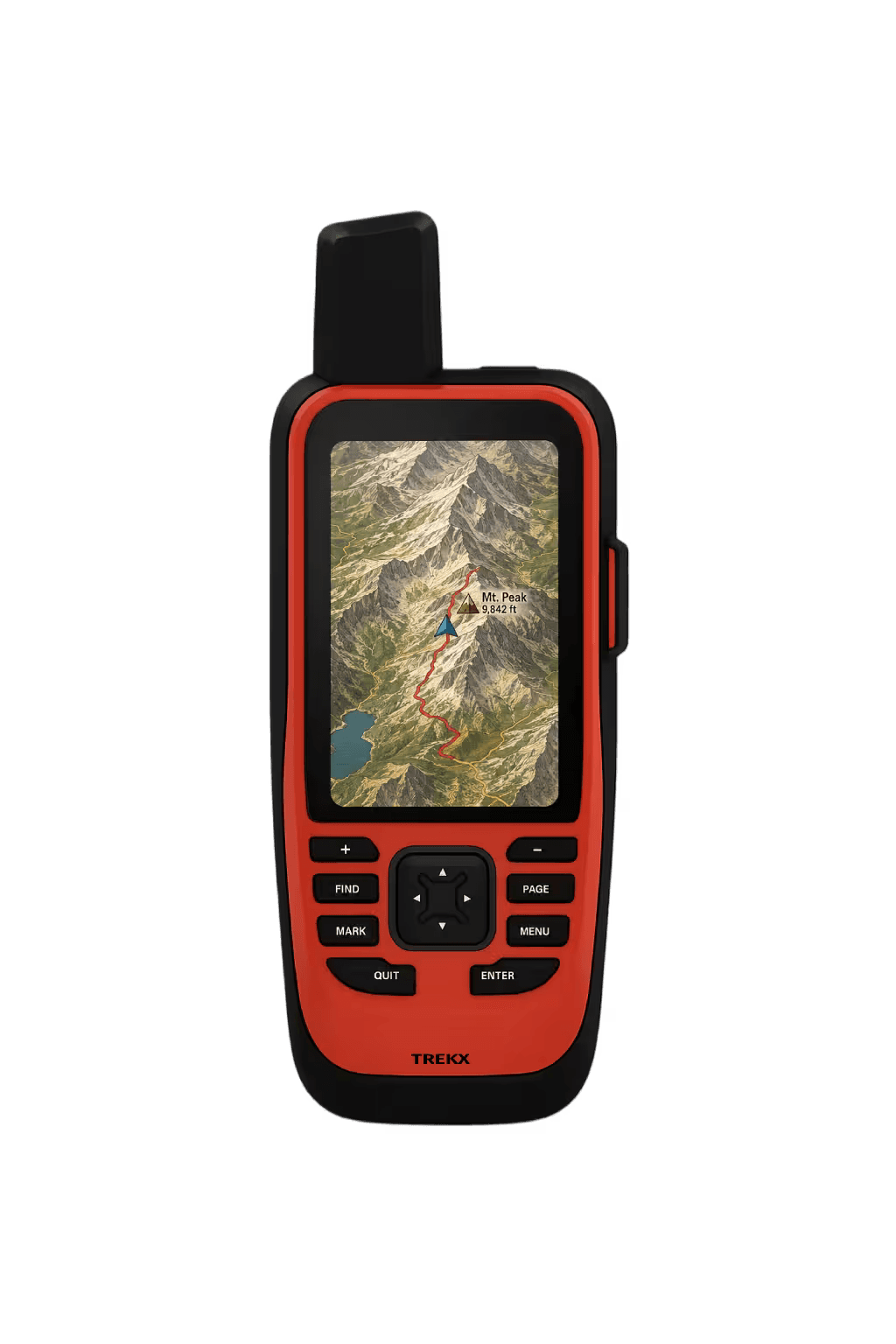
TerraNav Pro GPS
Crevasse zone routing and plateau navigation in whiteout conditions
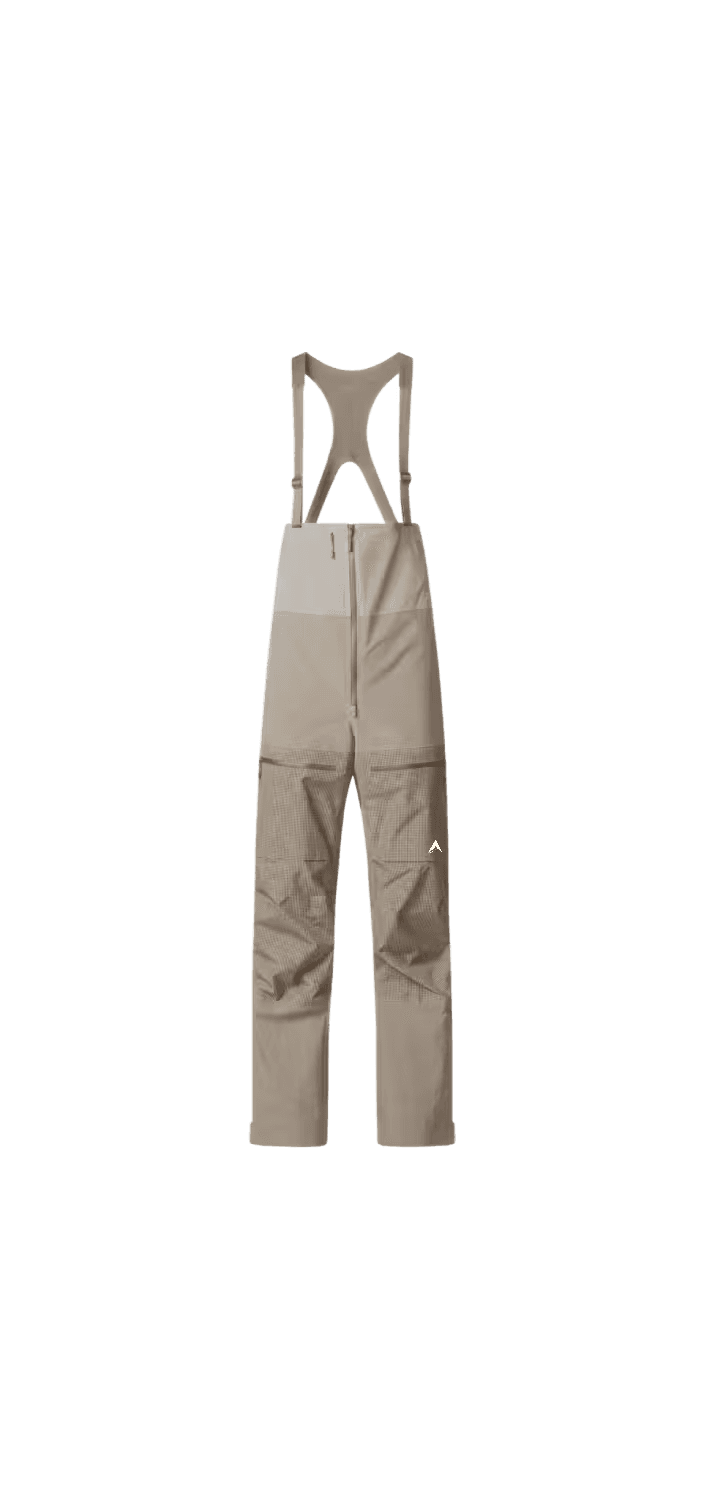
Tempest GTX Bib Pants
Wind protection at -40°C effective temperature on the Nordenskiöldbreen plateau
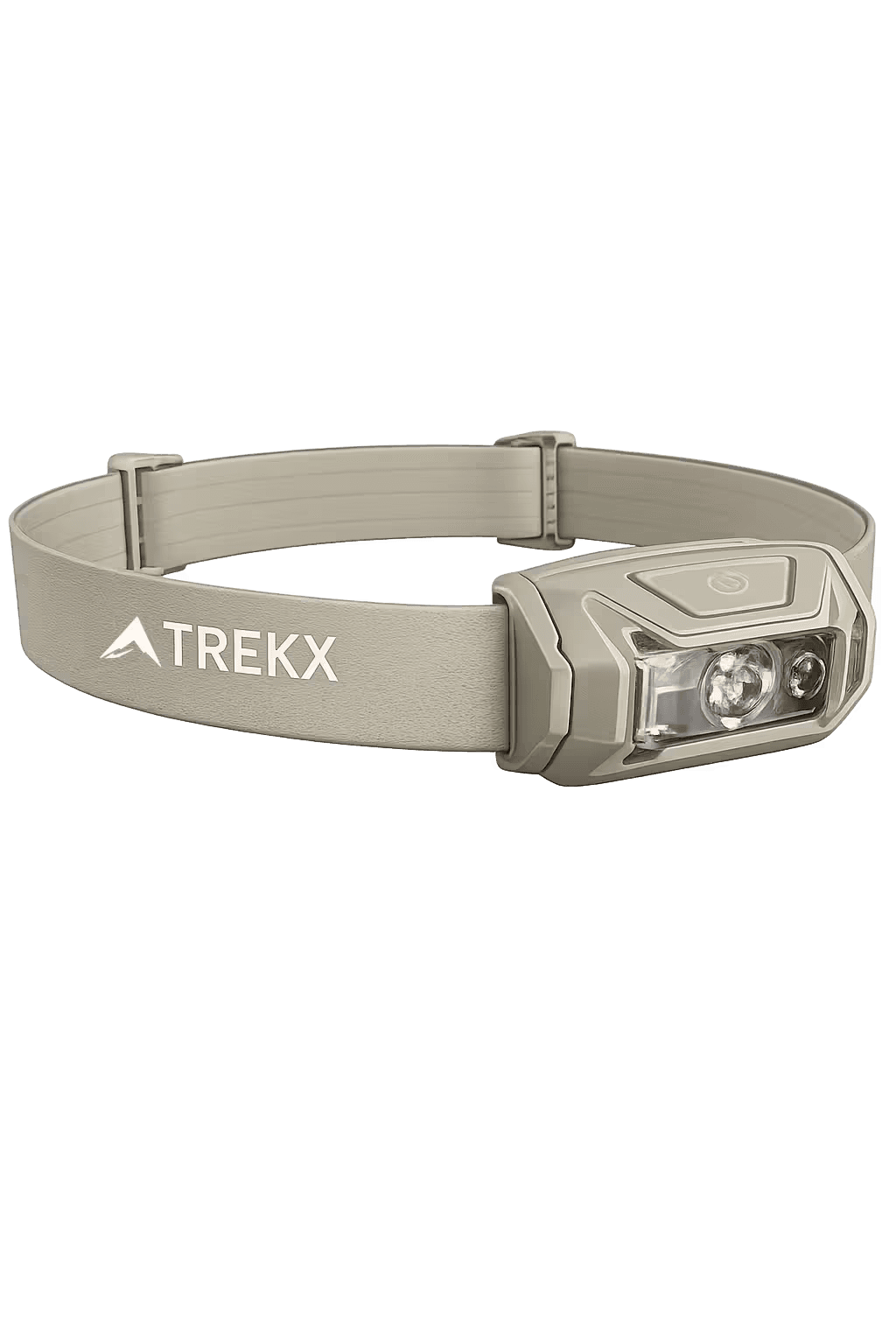
NovaBeam Headlamp
Tent interior navigation and GPS reading in storm-darkened conditions during 24-hour daylight
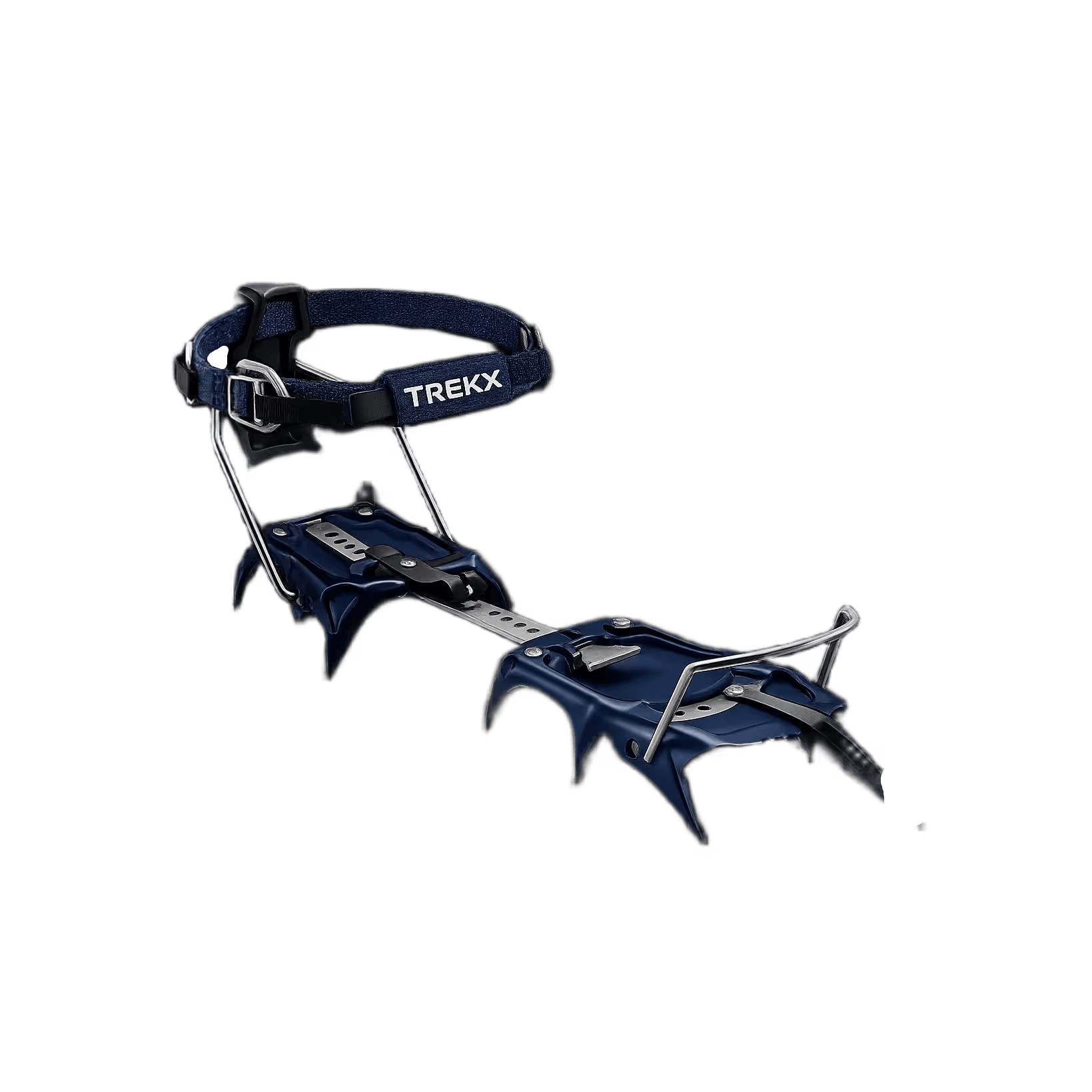
FangGrip Crampons
Worn through the pressure ridge zones and crevasse approaches where ski travel transitions to crampon movement
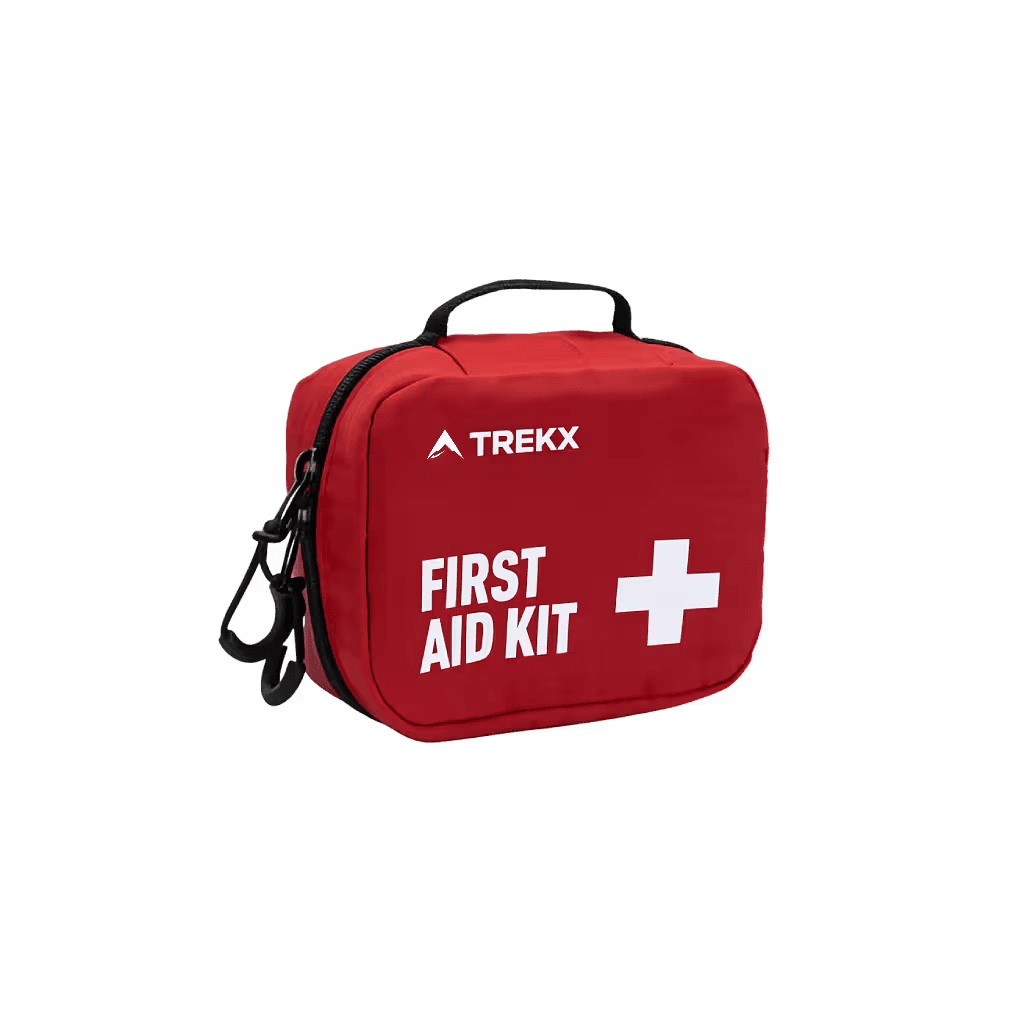
Summit Medic Pro Kit
Frostbite management, fracture immobilization, and bear mauling stabilization protocols operated by a Wilderness First Responder-certified team member
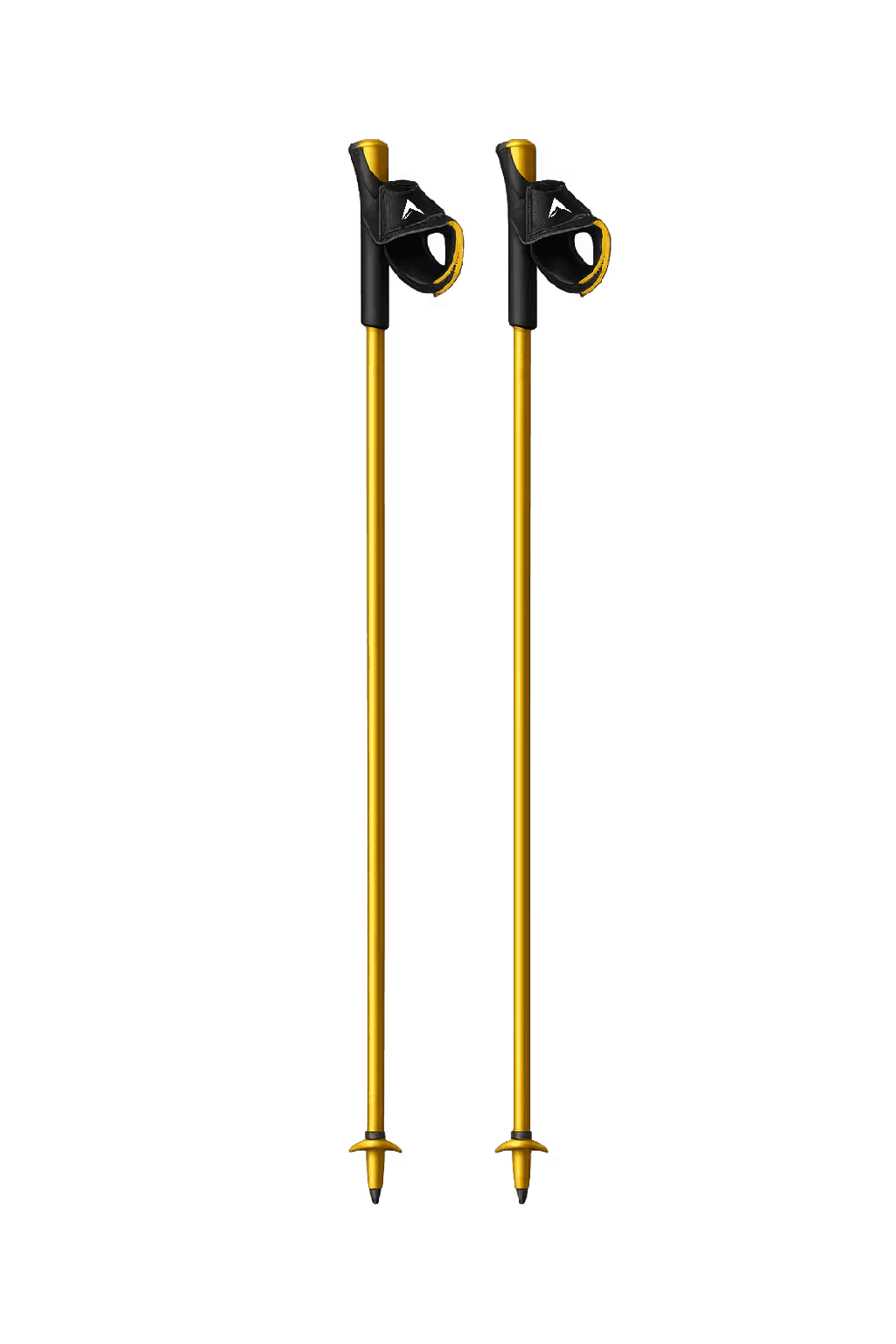
FrostPeak Alpine Poles
Sea ice probing on the Adventfjorden crossing and descent braking on the Nordenskiöldbreen glacier flanks