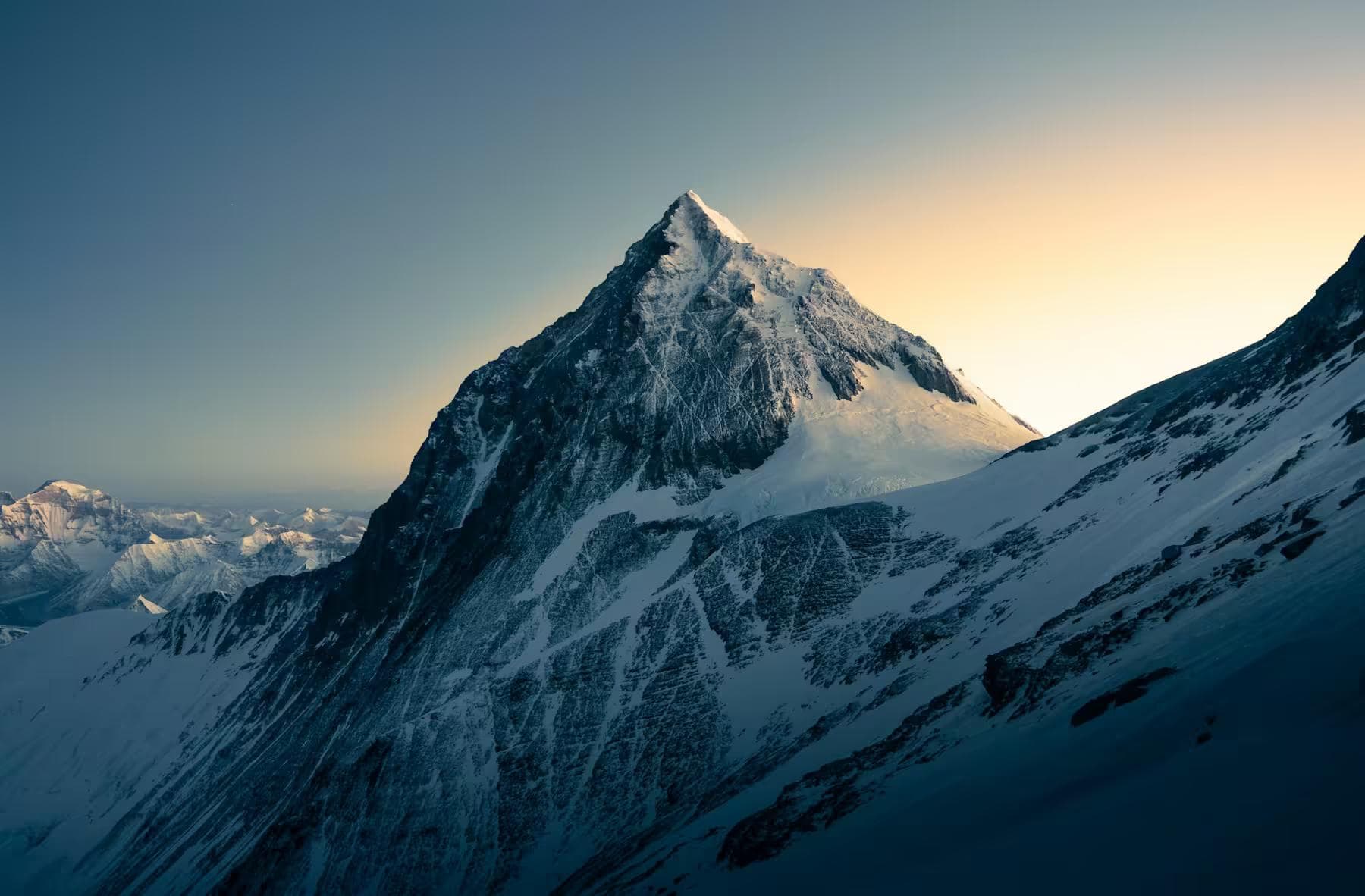
The summit of Everest is not the most dangerous place on the mountain. The most dangerous place is the decision-making that happens at 8,000 meters, inside a body running at 30% of its sea-level cognitive capacity, in weather that the forecast called stable, by a person who has spent three months becoming invested in a single outcome. The mountain does not push people past their limits. People carry their limits up and leave them somewhere above Camp III, where they become indistinguishable from ambition. Understanding this before the expedition begins — genuinely understanding it, not as a safety disclaimer but as the operational reality of extreme altitude — is the first qualification the mountain requires.
This guide covers the full Everest spring expedition from Kathmandu to summit attempt: the permit process, the Khumbu approach, the acclimatization rotations, the high camps, and the summit push window. It is written for trekkers and alpinists who have demonstrated competency at altitude above 6,000 meters on a previous expedition and who are approaching Everest as a consequential undertaking rather than a bucket list completion. The distinction matters. The mountain does not observe it, but the decisions made in preparation for it do.
01Expedition Framework
The Everest permit fee alone — issued by the Department of Tourism Nepal — runs USD $11,000 per person for the spring season. This is before flights, before agency fees, before equipment, before oxygen, before insurance. The total expedition cost for a fully guided commercial expedition through an established operator runs USD $30,000–65,000 per person, depending on oxygen quantity, support ratio, and operator tier. Budget the upper end until the operator confirms otherwise in writing.
The non-negotiable cost items:
- Nepal peak climbing permit — USD $11,000 (spring season)
- Liaison officer fee — USD $3,000 (mandatory, supplied by the Nepal government)
- Expedition agency fee — USD $8,000–25,000 depending on operator and service level
- Oxygen systems — USD $3,000–6,000 depending on bottle count and mask system
- Rescue insurance with helicopter evacuation to 8,000m — minimum USD $10,000 coverage. Global Rescue and GEOS Crisis Response are the two operators with documented Everest-altitude capability.
Operator Selection
Three operators with consistent safety records and transparent logistics:
- Seven Summit Treks — the largest Nepal-based operator, with a strong Sherpa team depth
- Alpine Ascents International — American-run, with a conservative turnaround culture
- Furtenbach Adventures — Austrian operation with the highest supplemental oxygen ratios in commercial guiding
The operator choice is the expedition's most consequential logistical decision. Research their last three seasons' turnaround decisions — specifically the days they turned groups around below the summit — before signing. An operator who has never turned a client around has either been exceptionally lucky with the weather or is not making conservative decisions.
No commercial guide, Sherpa, or operator can override a client's decision to continue above the turnaround point. The legal and ethical responsibility for the summit decision rests with the climber. Understand this before signing any contract. The supplemental oxygen, the fixed ropes, and the Sherpa support reduce the physiological barrier to the summit. They do not remove the consequence of poor weather, equipment failure, or physiological collapse above 8,000 meters, where helicopter evacuation is not operationally possible.
02Kathmandu to Base Camp
Expedition members typically arrive in Kathmandu 5–7 days before the Lukla flight to manage permit collection, gear inspection, and the specific bureaucratic requirements of the Nepal permit system. The agency handles permit collection; the climber handles personal gear verification.
The Titan Hauler Duffel 150 is the expedition's primary load container from Kathmandu to Base Camp — checked as oversized luggage on the international flight, transferred to the domestic Kathmandu-Lukla service, then carried by porter from Lukla to Base Camp on the yak and porter system. At 150L, it carries the full expedition equipment load — sleeping system, technical layers, boots, hardware — in a single container that the yak portage system handles without repacking. Label it redundantly on three surfaces. Duffels separated from their owners on the Lukla system take days to recover.
Lukla Flight
The Lukla flight from Kathmandu's domestic terminal is a 30-minute service in a Twin Otter or similar short-field aircraft landing on a 527-meter runway at 2,860 meters with an 11.7-degree gradient. It is described as one of the most dangerous airport approaches in the world, which is accurate, and which does not prepare for the actual sensation of the aircraft dropping steeply toward a wall of mountain with a runway that appears at the last possible moment. Weather cancellations at Lukla are frequent and multi-day — build three contingency days into the Kathmandu schedule before the Lukla departure date.
03The Khumbu Approach
Lukla to Base Camp: 65km | 11 days standard | Elevation: 2,860m to 5,364m
The Khumbu approach is not a logistical transition. It is the beginning of the expedition's physiological work. Each day of walking above 3,000 meters is a day of acclimatization that the summit rotation cannot replace. Rushing the approach to save days is the category of decision that costs weeks at Base Camp in AMS recovery.
The Standard Schedule
- Lukla → Phakding => 2,610m
- Phakding → Namche Bazaar => 3,440m
- Rest day Namche 3,440m
- Namche → Tengboche => 3,860m
- Tengboche → Dingboche => 4,410m
- Rest day Dingboche 4,410m
- Dingboche → Lobuche => 4,940m
- Lobuche → Gorak Shep + EBC => 5,364m
The rest days at Namche and Dingboche are non-negotiable. The acclimatization protocol — climb high, sleep low, rest at elevation — is the physiological contract the Khumbu approach fulfills one valley at a time. Shortening it produces the Base Camp headache that costs three days of recovery for every one day saved.
The FrostPeak Alpine Poles
They are in use from Namche Bazaar onward. Above 3,500 meters, the combination of altitude-reduced cardiovascular output and loaded pack weight makes pole-assisted walking a measurable efficiency gain rather than a preference. On the approach to Lobuche at 4,940 meters — a long day gaining 500 meters on rocky moraine — the poles convert the rest-step rhythm into a four-point system that distributes the effort across the body rather than concentrating it in legs already operating at reduced efficiency. Adjust the wrist strap tension before Tengboche and reassess at Dingboche; cold hands at altitude make strap management difficult, and loose straps transmit force incorrectly on loaded descents.
Namche Bazaar
Namche Bazaar at 3,440 meters is the commercial center of the Khumbu — a curved amphitheatre of stone buildings on the hillside above the Bhote Koshi confluence, its Saturday market drawing traders from Tibet and the surrounding valleys, its bakeries and gear shops serving the expedition economy that has replaced subsistence farming as the region's primary income. Spend the rest of the day here, walking to the Everest View Hotel at 3,880 meters — a 440-meter acclimatization gain that the hotel's terrace view of Everest, Lhotse, and Ama Dablam from over breakfast converts into the most effective acclimatization walk in the Khumbu.
Tengboche Monastery
The Tengboche Monastery at 3,860 meters is the spiritual center of the Sherpa community and the point at which the expedition's relationship with the landscape changes register. The puja ceremony — a Buddhist blessing of equipment and team performed by the head lama before any technical climbing begins — is not an optional ceremony for a commercial expedition. It is the cultural protocol that the Sherpa community's participation in the expedition requires. Attend it fully. Bring a kata — a white silk blessing scarf — purchased in Namche. The ceremony takes 90 minutes, and the blessing of the ice axes, ropes, and boots by a lama who has performed this ceremony for forty years of Khumbu expeditions carries a weight that secular preparation does not replicate.
04Base Camp
Everest Base Camp: 5,364m | Khumbu Glacier
Base Camp sits on the Khumbu Glacier — a moving, creaking, periodically collapsing ice platform at 5,364 meters that the expedition will occupy for six to eight weeks. The glacier moves approximately 1 meter per day in spring, which means the tent platform chosen on arrival will have shifted 40 meters by departure. The agency selects and levels the camp position and manages its movement.
Life at 5,364m
Existence at Base Camp is a specific kind of endurance that the approach does not prepare for. The altitude produces a permanent mild cognitive reduction — slower processing, reduced motivation, disrupted sleep — that is not AMS but is not normal function either. The expedition team manages this through routine: fixed meal times, fixed acclimatization rotation schedules, and fixed satellite communication windows with the home support team.
The SummitCore Expedition Bag is the sleep system that determines the quality of recovery from each rotation. At Base Camp in April, overnight temperatures drop to -15°C inside the tent — the bag's rated temperature must be the actual temperature, not the comfort-limit specification. A bag rated to -20°C lower limit provides the margin that a -10°C bag loses by week three when the cumulative cold exposure has depleted the trekker's baseline warmth retention. Check the EN 13537 rating, not the manufacturer's marketing temperature.
The CoreHeat Expedition Layer is worn from the moment the sleeping bag is exited until the outer shell goes on — the Base Camp morning routine involves a 90-second window between bag warmth and shell closure during which the base layer is the only insulation against -10°C air. Its moisture management keeps the skin dry through the perspiration that the sleeping bag generates overnight, which matters because wet skin in -15°C air cools in a way that dry skin does not.
The Himalayan Database documents every recorded Everest ascent and fatality since 1921. Read it before the expedition. Not for statistics, but for the specific condition descriptions of the incidents — the weather windows missed, the turnaround decisions deferred, the equipment failures at altitude — that constitute the operational history of the mountain. It is the most useful pre-expedition document that is not a gear list.
05Acclimatization Rotations
The standard spring expedition conducts three acclimatization rotations before the summit push, each one reaching progressively higher on the mountain:
- Rotation 1 — Base Camp (5,364m) → Camp I (6,065m) → return to Base Camp. Duration: 2 days. Purpose: Khumbu Icefall familiarity and initial high-altitude exposure.
- Rotation 2 — Base Camp → Camp I → Camp II (6,400m) → return. Duration: 3–4 days. Purpose: Western Cwm acclimatization and Camp II sleep.
- Rotation 3 — Base Camp → Camp II → Camp III (7,162m) → return. Duration: 4–5 days. Purpose: Lhotse Face exposure and Camp III sleep above 7,000m.
Between each rotation, 7–10 days at Base Camp allow the physiological adaptations — increased red blood cell production, improved oxygen-carrying efficiency — to consolidate. The temptation to shorten the inter-rotation rest is the most common acclimatization error on commercial Everest expeditions. The mountain's window opens when it opens; the body's adaptation follows its own timeline.
Khumbu Icefall
The Khumbu Icefall — the chaotic glacier descent from Camp I to Base Camp, navigated by the Icefall Doctors who fix the ladder and rope system each season — is the expedition's most objective hazard. The icefall moves between 1 and 2 meters per day, which means the seracs — ice towers the size of buildings — are in continuous slow collapse. The correct approach is to cross the Icefall during the coldest hours — departure from Base Camp no later than 2:00 am, clear of the Icefall by 9:00 am, before the solar warming destabilizes the serac structure.
The Glacier Apex Boots are the technical foundation of all high-altitude movement above Base Camp. The double-boot system — inner vapor barrier boot inside outer hard shell — maintains foot warmth through the -30°C ambient temperatures above 7,000 meters, where frostbite in inadequate footwear is a documented outcome rather than a theoretical risk. Fit them with expedition-weight socks at the Kathmandu gear check and walk in them for two full days before the Icefall crossing. Boot fit issues at Camp II are not correctable.
The Icebound Expedition Gloves follow the same logic. Above 8,000 meters, the hands are the second most commonly frostbitten body part after the feet — the gloves' waterproof shell, inner insulation, and wrist cinch system must function without dexterity loss on the fixed rope sections of the Southeast Ridge, where clipping and unclipping the safety system requires bare or lightly gloved hands at -35°C. Test the clipping process at Base Camp before the first rotation. If the gloves impair the carabiner operation, they will impair it at 8,500 meters, where the margin for fumbling is considerably smaller.
06The Summit Push
The Everest summit window in spring typically opens between May 10 and May 25, when the jet stream retreats north of the summit, and the pre-monsoon weather provides the two-to-four-day calm that makes the summit viable. The window is forecast by Jagged Globe weather, whose Everest-specific forecasts are the operational standard for expedition planning.
The summit push from a full acclimatization position follows a standard timeline:
- Day 1 — Base Camp to Camp II
- Day 2 — Camp II to Camp III (7,162m)
- Day 3 — Camp III to Camp IV / South Col (7,906m). Rest. Oxygen begins.
- Night 3/Day 4 — Departure from South Col at 11:00 pm. Summit attempt. Return to South Col by 2:00 pm maximum.
- Day 4/5 — Descent to Base Camp.
The Death Zone
Above 8,000 meters — the altitude at which the human body cannot acclimatize and begins deteriorating regardless of rest — the decision-making framework changes entirely. The supplemental oxygen system maintains cognitive function at approximately 70% of sea-level capacity above 8,000 meters. Without it, that figure drops to 40% within two hours. The TerraNav Pro GPS device is the navigation tool that functions when that cognitive capacity is not sufficient to interpret the mountain's visual cues — the Southeast Ridge in poor visibility or at 3:00 am is not a navigable feature by memory.
The Tempest GTX Pro Shell is the outer layer that performs or fails at this altitude. At 8,500 meters in 60 km/h wind and -40°C ambient temperature, the shell's membrane integrity is not a specification. It is the difference between wind penetration that produces core temperature loss and wind protection that allows the summit to be reached and descended from. Check the shell's seam tape and zipper function at Camp IV before the summit departure. Do not assume it survived the approach in the condition it left Kathmandu.
Turnaround
The turnaround time — the point above which continuing to the summit makes the descent impossible in daylight and survivable in oxygen reserves — is 2:00 pm for most South Col expeditions. Every experienced Everest guide in the last twenty years cites turnaround time adherence as the single most important factor separating survivable summit attempts from fatal ones. The turnaround time is set before the summit push begins, agreed between the climber, the guide, and the Sherpa team, and is non-negotiable at the moment it arrives, regardless of summit proximity.
If a team member cannot descend independently above Camp III, do not leave them. The historical record of Everest fatalities contains a disproportionate number of cases where a climber was left at altitude by a team that assessed descent as impossible and continued. The correct response to a non-ambulatory team member above 8,000 meters is maximum oxygen administration, immediate communication to Base Camp for Sherpa support from below, and a combined descent attempt. There is no scenario in which continuing to the summit is the correct response to a team member in medical distress.
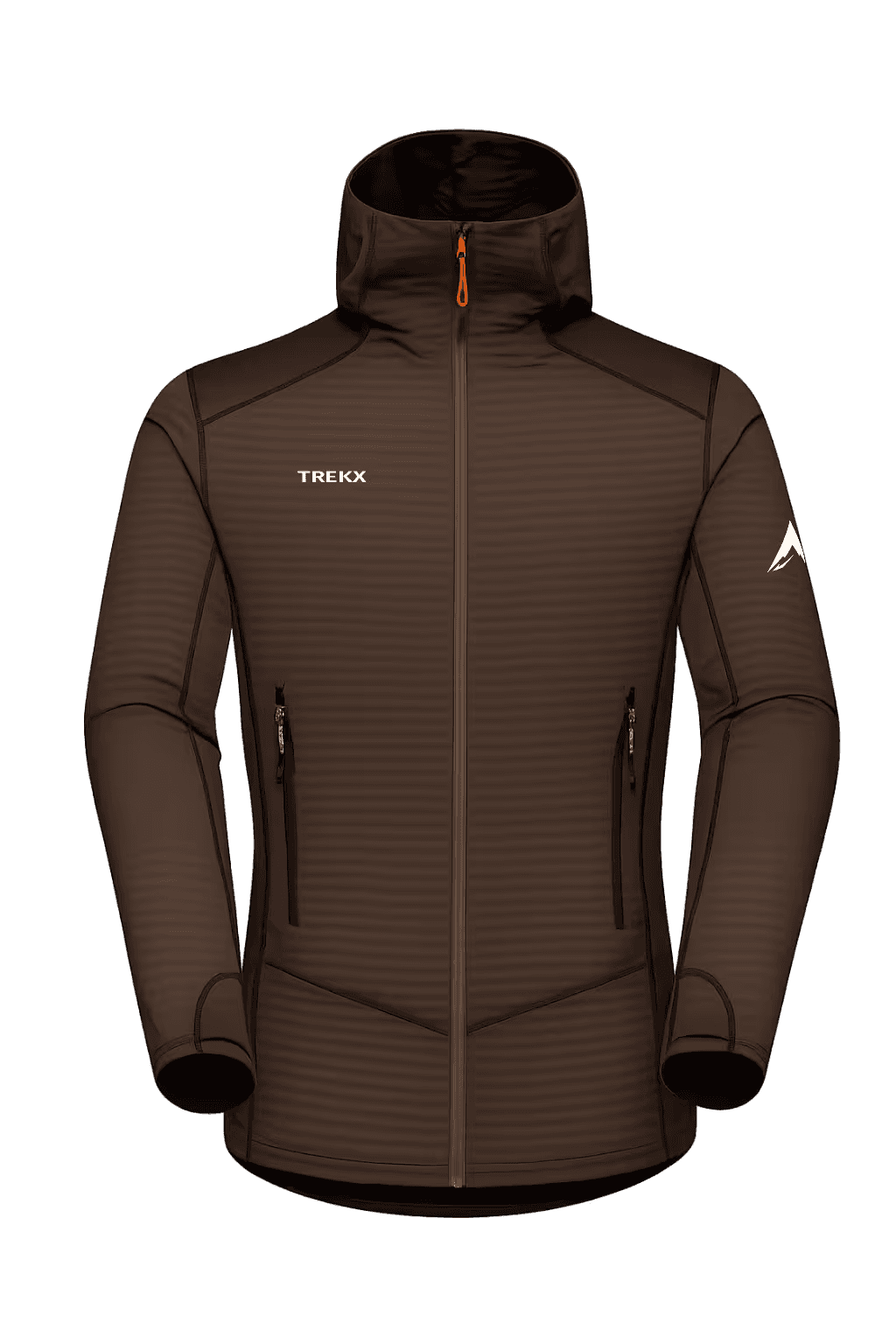
CoreHeat Expedition Layer
Moisture management that keeps the skin dry through overnight perspiration in a -15°C environment where wet skin loses heat at a rate that no outer layer recovers
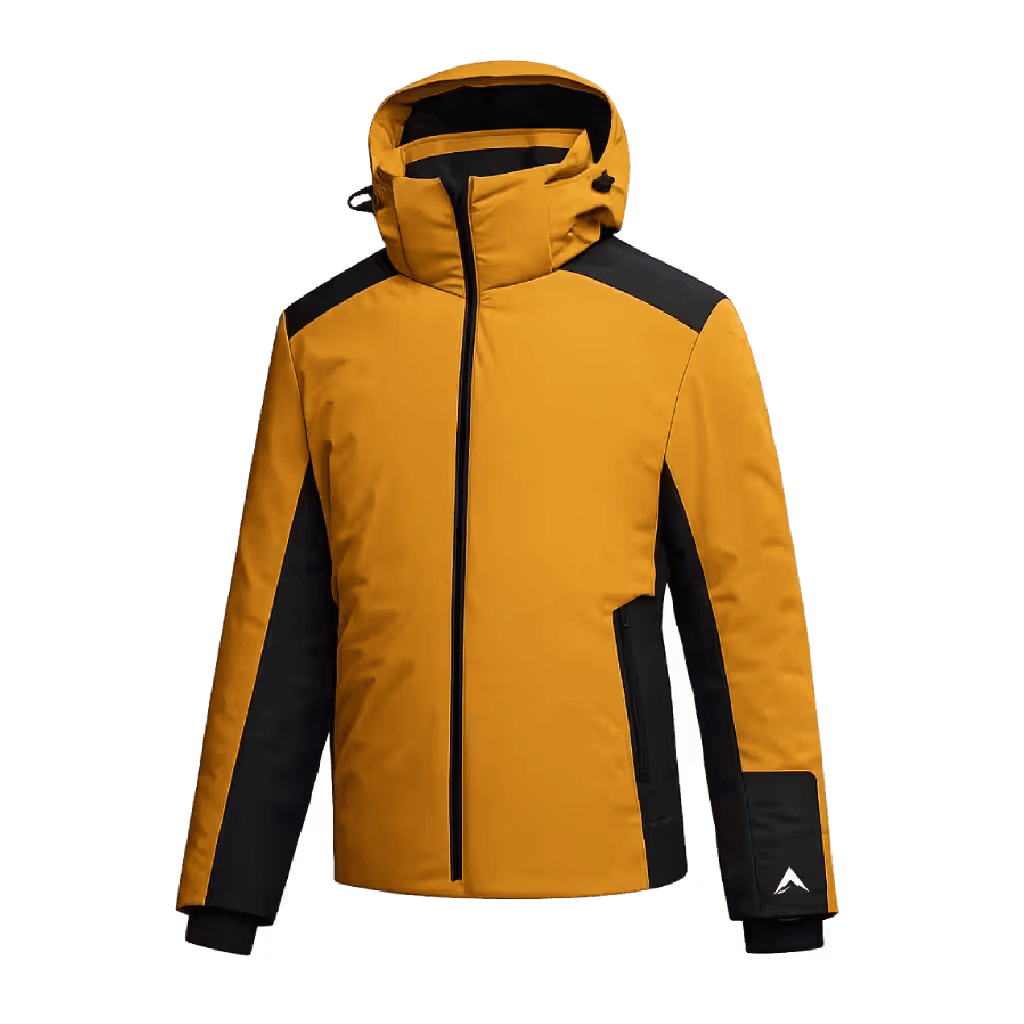
Tempest GTX Pro Shell
The outer barrier at 8,500 meters in -40°C wind
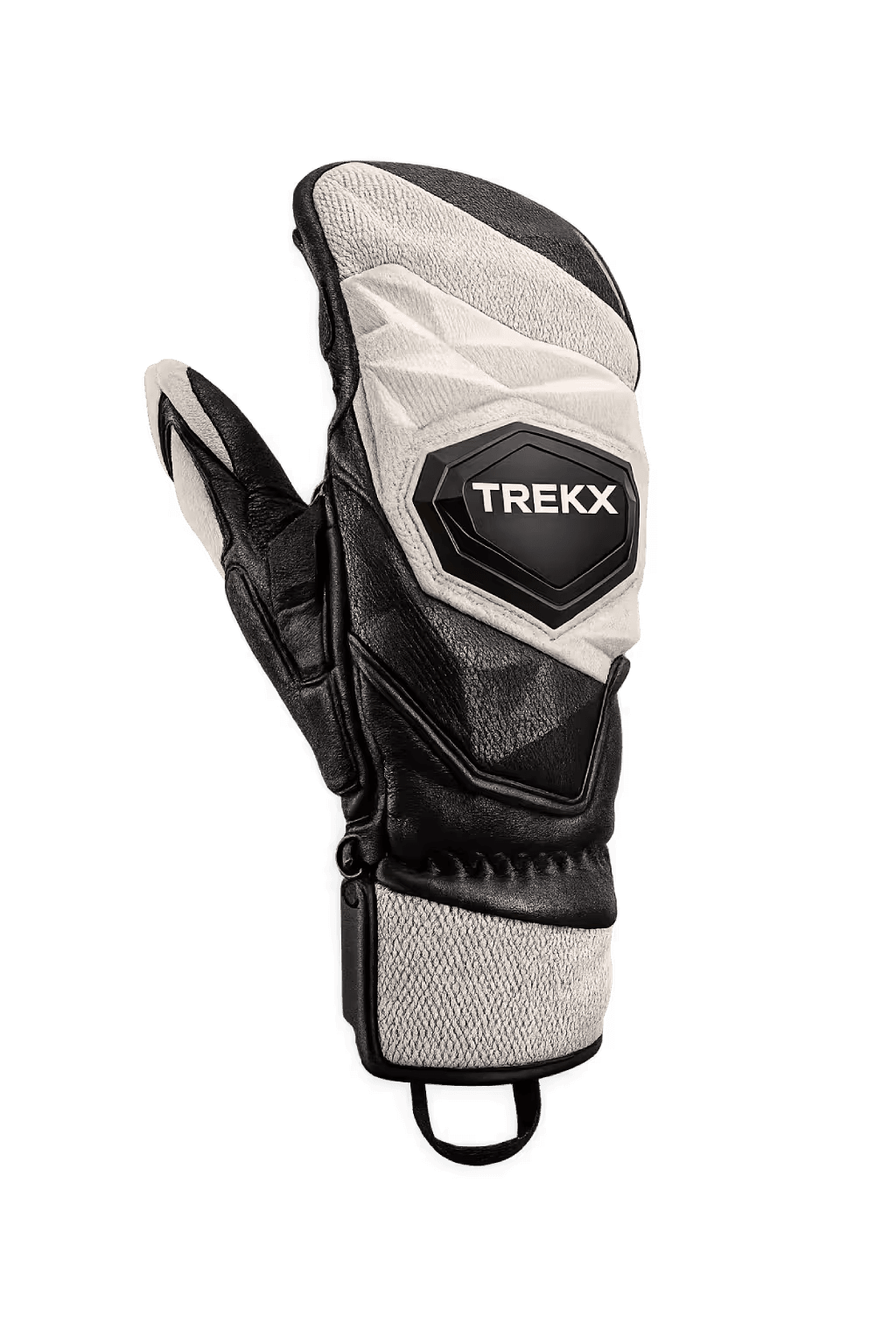
Icebound Expedition Gloves
Maintains hand warmth and clipping dexterity on fixed rope sections above 8,000 meters where frostbite in inadequate gloves is documented and carabiner fumbling at -35°C is a safety failure
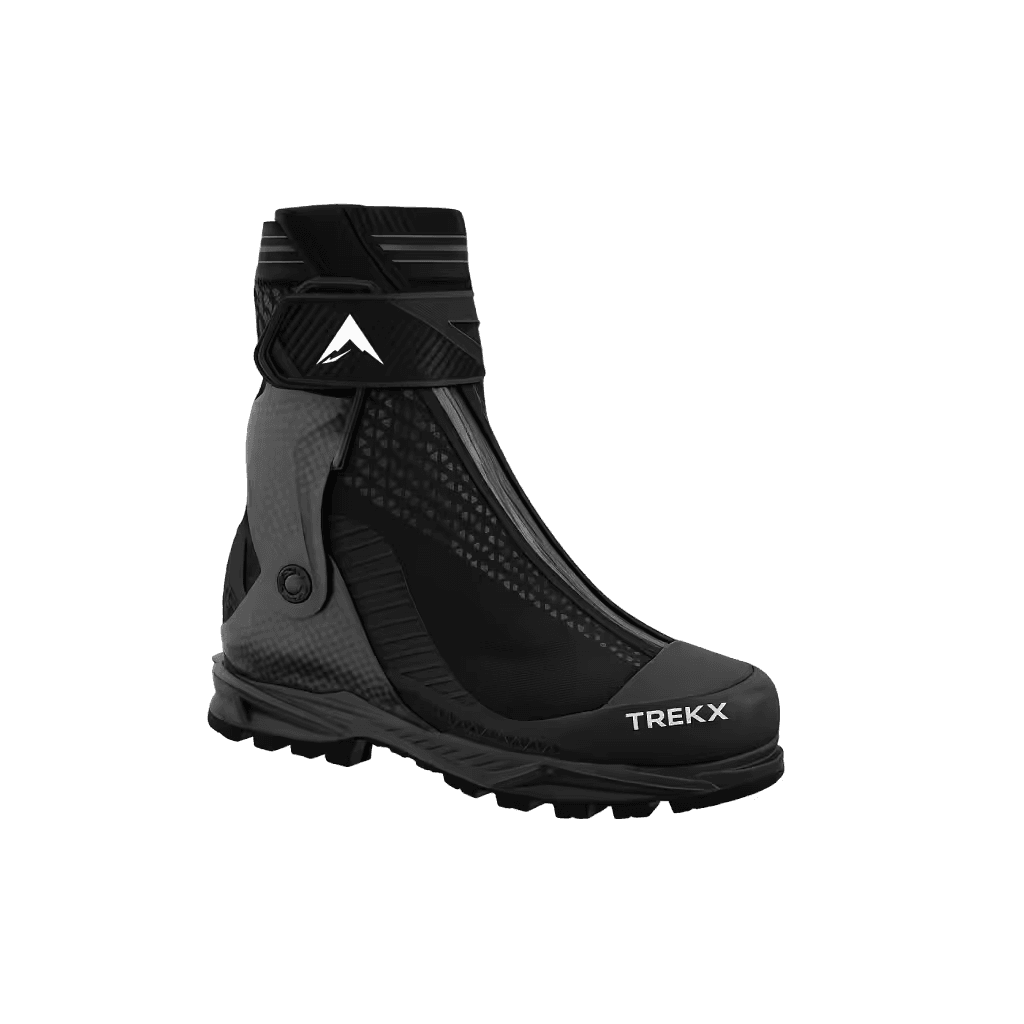
Glacier Apex Boots
Double-boot insulation system rated to -40°C for all movement above Base Camp
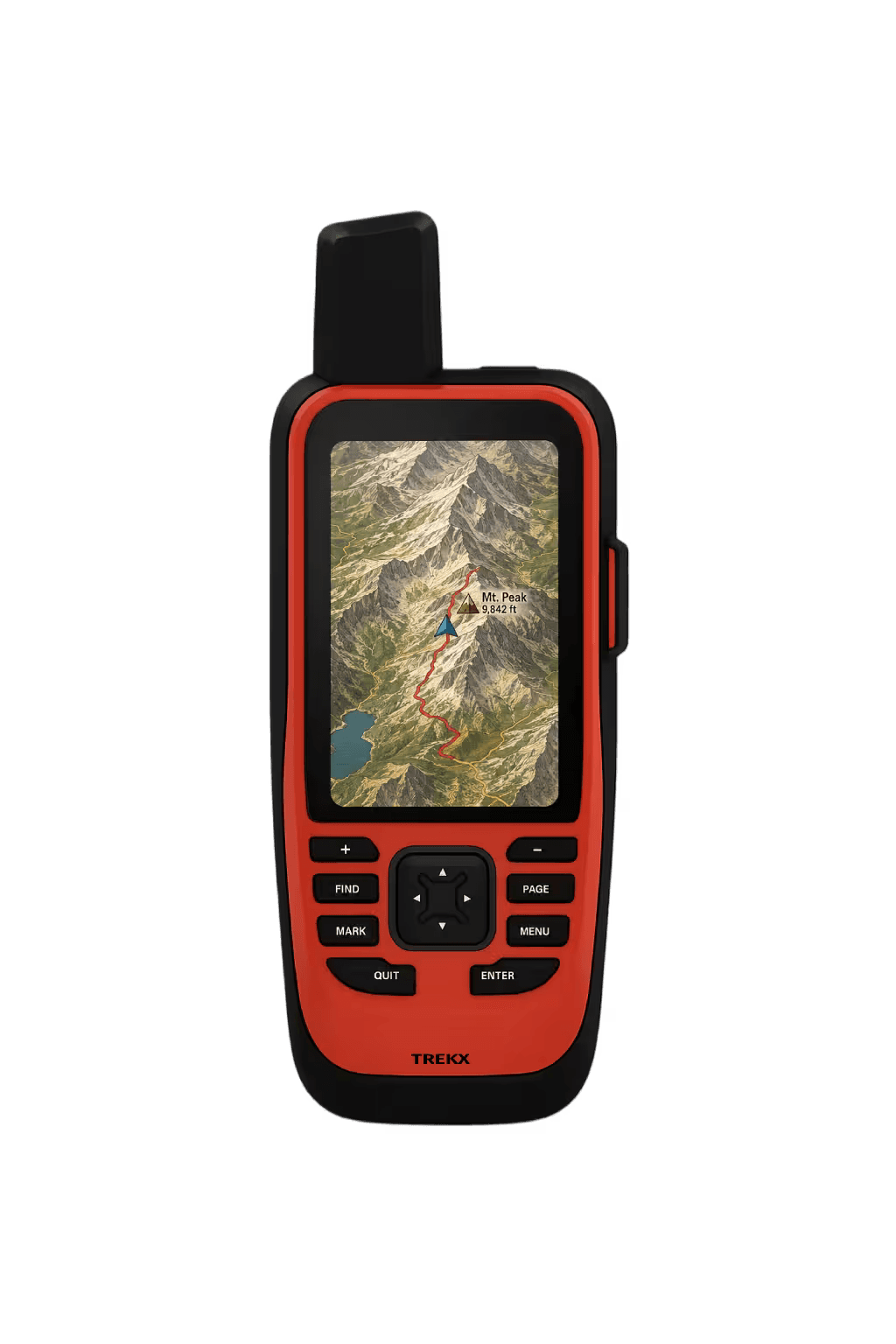
TerraNav Pro GPS
The device that functions when the mountain's visual cues are not processable and the 70% cognitive capacity that oxygen provides is operating at its limit
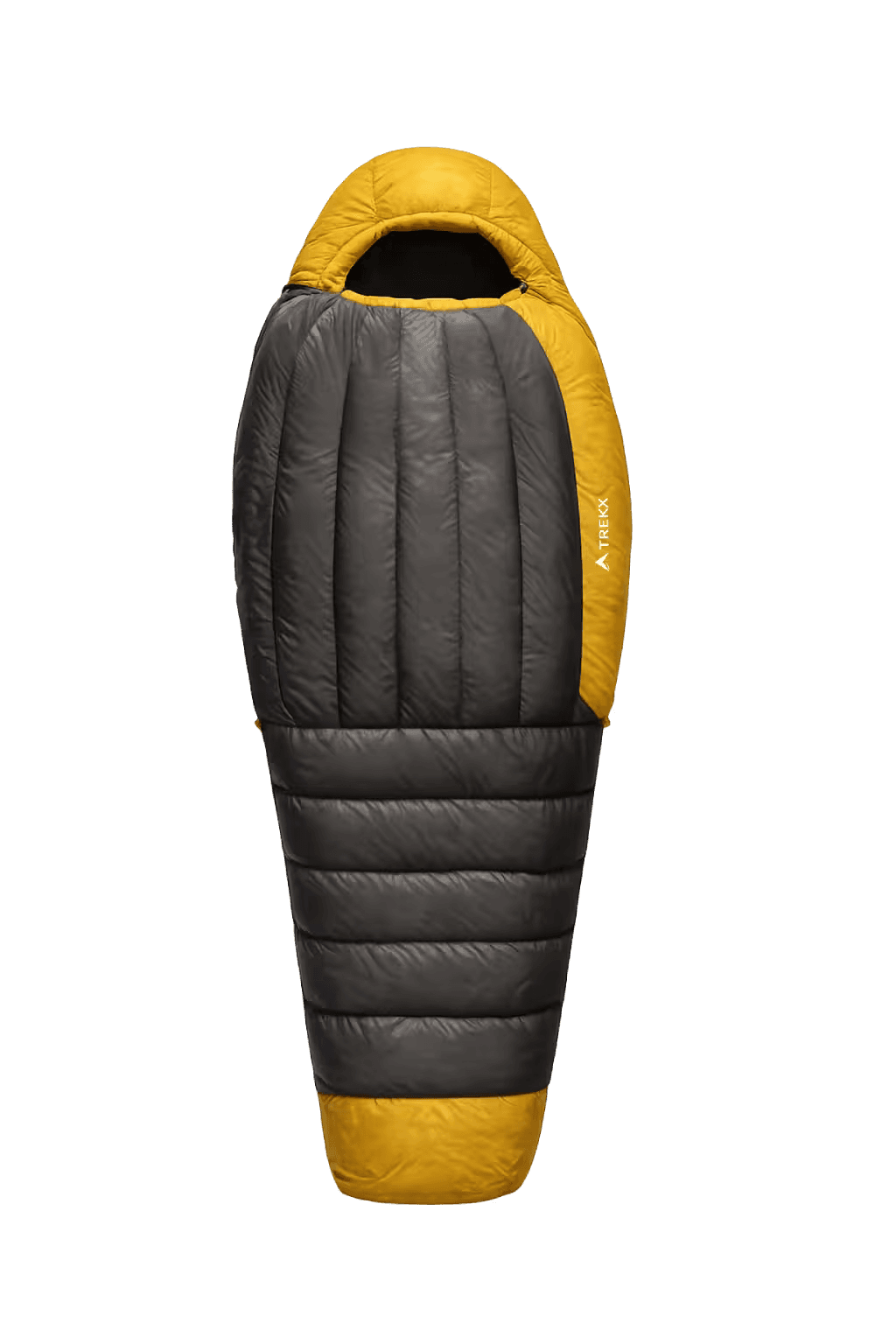
SummitCore Expedition Bag
Rated to -20°C lower limit for Base Camp and high camp nights where -15°C ambient is the baseline and cumulative cold exposure by week three
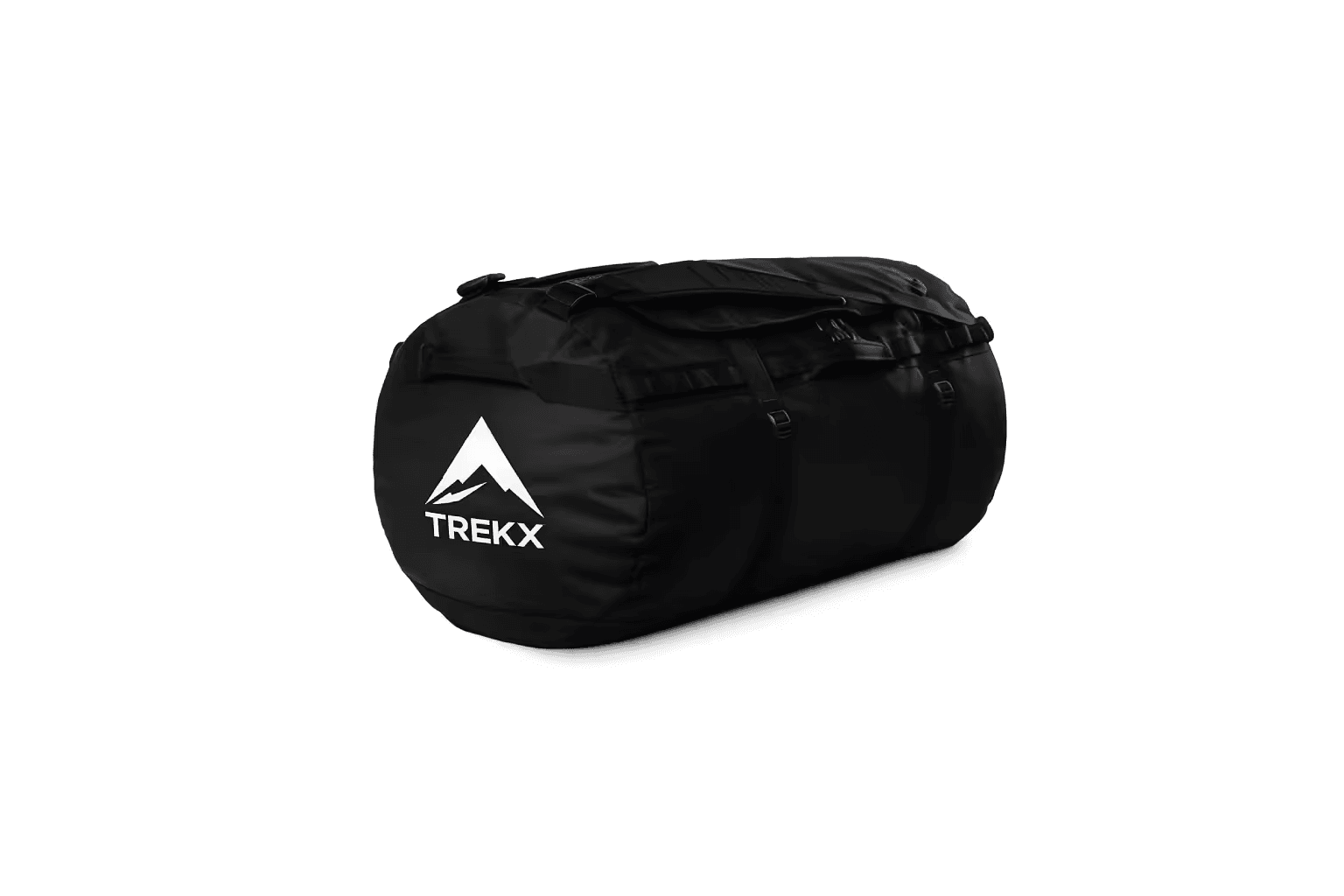
Titan Hauler Duffel 150
Single-container expedition load management from Kathmandu to Base Camp
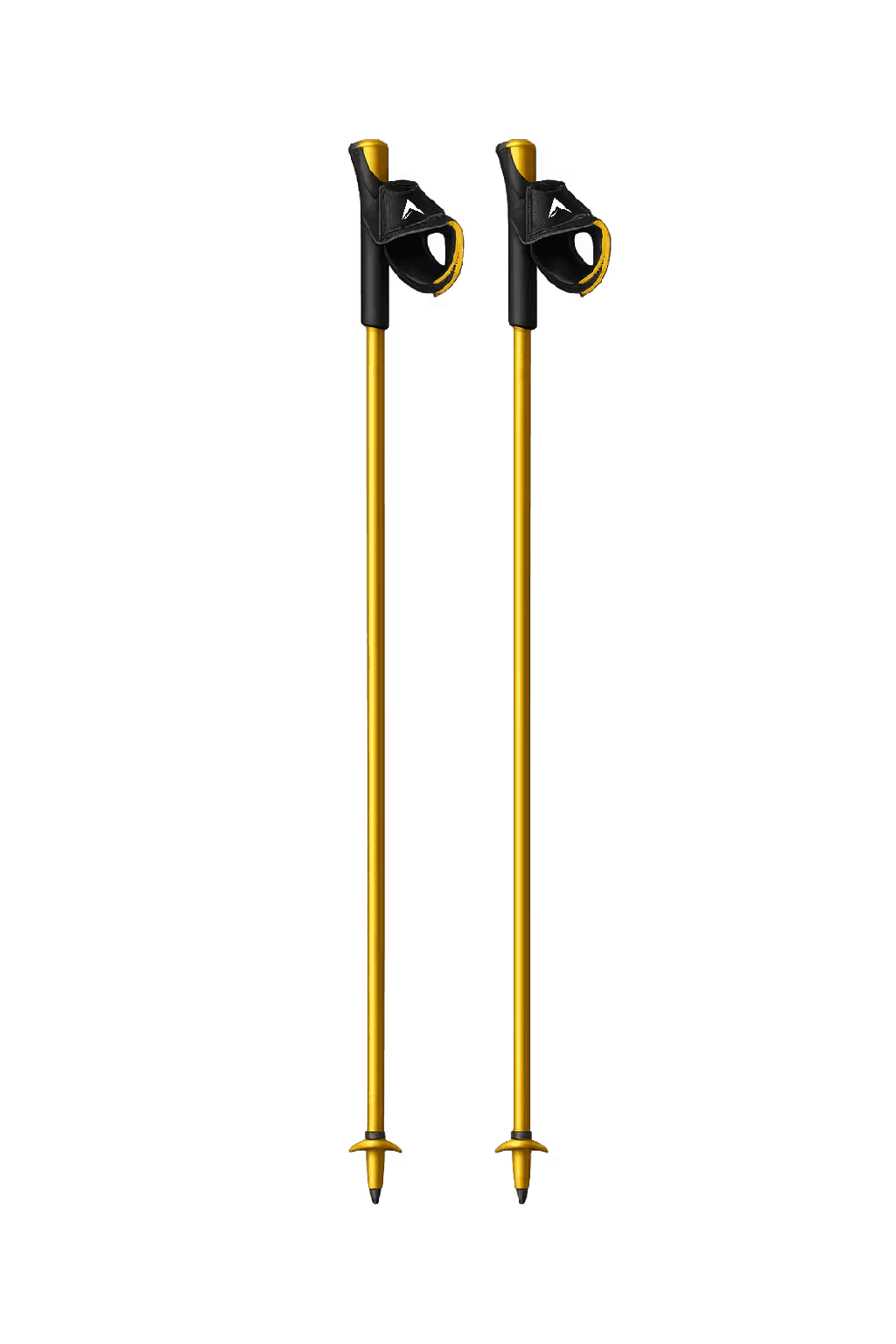
FrostPeak Alpine Poles
Four-point load distribution on the Khumbu approach above 3,500 meters where altitude-reduced cardiovascular output makes pole-assisted rhythm the difference