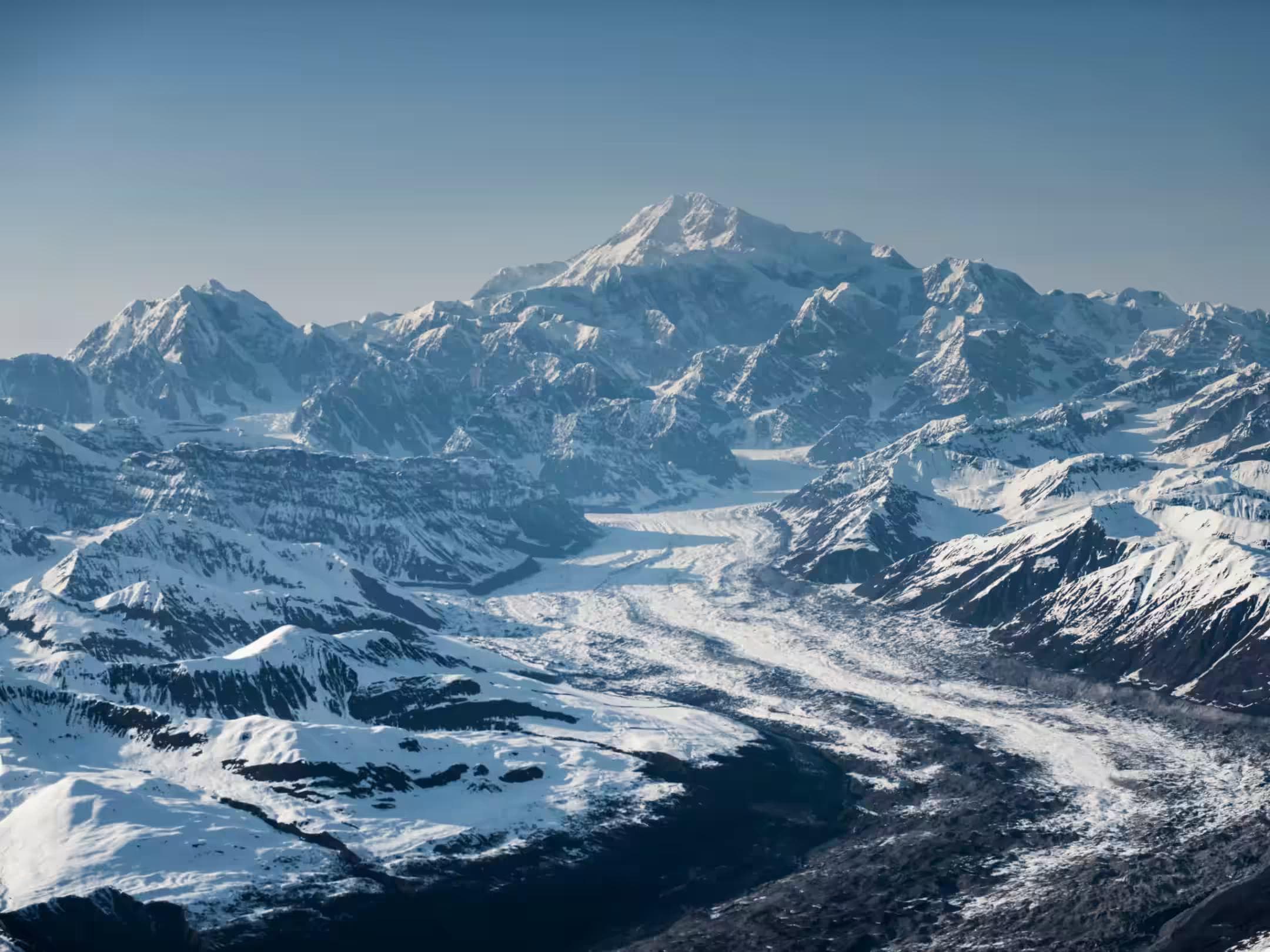
Alaska does not ease you into cold. The flight from Anchorage to Talkeetna takes 45 minutes and crosses a landscape that clarifies immediately what the next three weeks will involve: boreal forest giving way to glacier-fed rivers, then the rivers narrowing as the Alaska Range rises ahead, then the range itself — a continuous white wall across the southern horizon with Denali's summit visible above it on clear days as a pale pyramid that appears impossibly large even from 100 kilometers away. The ski plane from Talkeetna to the Kahiltna Glacier landing strip takes another 45 minutes and deposits the expedition team at 2,200 meters on a glacier that has been the approach route to Denali since 1951. The temperature on landing is -15°C at noon in late April. The wind adds 10 degrees to that. The sun, reflecting off the glacier surface in every direction simultaneously, burns exposed skin in 20 minutes. This is the Alaska Range operating at its most welcoming.
This guide covers the Kahiltna Glacier expedition — three weeks in the Alaska Range operating from the Southeast Fork of the Kahiltna Glacier to the base of the West Buttress route at 3,500 meters, without the summit attempt that Denali requires a separate permit, additional weeks, and high-altitude experience. The Alaska Range at this elevation and in this season is consequential enough. The glacier travel, the crevasse navigation, the camp management in -30°C storm conditions, and the specific isolation of a landscape where the nearest road is 50 kilometers away — these are the conditions that this guide covers honestly.
01Expedition Foundation
All Denali National Park glacier expeditions begin at the Talkeetna Ranger Station — the National Park Service facility that manages the permit system, conducts mandatory expedition briefings, and coordinates search and rescue for the Alaska Range. The mountaineering permit fee for Denali and the Alaska Range is USD $400 per person for expeditions above the 14,200-meter camp. For the West Buttress approach to 3,500 meters as described in this guide, the fee covers the full glacier access.
The permit process requires:
- Online registration at recreation.gov at least 60 days in advance
- Expedition leader designation with documented Alaska Range or equivalent experience
- Human waste management kit registration — the NPS requires all human waste to be packed out from the glacier above base camp; Clean Mountain Cans are issued at the ranger station
Air Taxi
The Kahiltna landing strip is accessible only by ski-equipped aircraft operated by two licensed air taxis: K2 Aviation and Talkeetna Air Taxi. Both operate Cessna 185 and Otter aircraft on wheel-skis that land on the Kahiltna's compacted snow surface at 2,200 meters. The flight itself — 45 minutes through the Alaska Range at low altitude, the glaciers below the aircraft wingtips, Denali's south face filling the windscreen on the approach — is the expedition's first significant experience of the landscape's scale.
Book the air taxi before the permit. Both operators fill their spring season windows by January for April and May departures. Weather cancellations are common — build two contingency days into the Talkeetna schedule before the glacier departure date.
Cache gear at the Talkeetna Hostel or Talkeetna Roadhouse during the permit and briefing days. The ranger station briefing takes a full morning and covers glacier travel protocols, crevasse rescue, and weather pattern interpretation that is specific to the Alaska Range — attend it with full attention. The information is not generic mountaineering safety advice. It is operationally specific to the terrain the expedition is about to enter.
02Kahiltna Glacier Base
The Kahiltna International Airport — the unofficial name for the ski plane landing strip at the Southeast Fork junction — is the expedition's operational base for the first two days. The name is ironic: a compacted snow strip at 2,200 meters on a moving glacier with a plywood outhouse and a buried cache of previous expeditions' cached food. It is also the most social environment the expedition will experience — multiple teams staging simultaneously, the air taxi pilots bringing news from Talkeetna, the outbound teams returning with current route conditions.
The Titan Ridge Expedition Pack at 100L is the carry system for the full three-week glacier expedition. Unlike the Everest and K2 guides where mule and porter systems carry the main load, the Alaska Range expedition carries everything — tent, sleeping system, food for 21 days, stove fuel, technical hardware, photography equipment — on a sled system hauled by the trekker on a harness. The pack carries the day's essentials and the technical gear; the sled carries the camp system and food. The combined haul weight on day one is typically 40–50 kilograms per person. That weight is the physical definition of expedition self-reliance.
Sled System
The NPS-standard sled system for Kahiltna glacier travel — a case or plastic expedition sled connected to the pack harness via a trace line — distributes the 21-day food and fuel load across a platform that the glacier surface pulls rather than the spine carries. The system requires:
- Sled — 1.2-meter plastic expedition sled
- Trace line — 3-meter webbing connecting sled to pack hip belt
- Dry bags within the sled for waterproofing against melt and snow infiltration
The Titan Ridge Expedition Pack's hip belt attachment points accommodate the trace line connector without modification. This is the detail that differentiates an expedition pack from a large hiking pack — the hip belt's structural load capacity and the attachment geometry that the sled system requires.
03Days One–Five: Kahiltna to Camp One
Distance: 14km | Elevation gain: 500m | Daily distance: 3–5km | Time: 4–6 hours per day
The glacier approach from the Kahiltna landing strip to Camp One at 2,700 meters covers 14 kilometers of open glacier travel in five stages — the pace dictated not by fitness but by the sled weight, the snow surface condition, and the solar schedule that the Alaska Range's spring day length imposes. In late April, the sun sets at approximately 11:00pm and the overnight refreeze hardens the glacier surface for the next morning's movement. The correct travel schedule: departure at 6:00am when the surface is firm, rest during the 10:00am–2:00pm solar maximum when soft snow makes sled hauling disproportionately exhausting, and a second movement window from 4:00pm to 7:00pm when the surface refreezes without fully setting.
Crevasse Navigation
The Kahiltna Southeast Fork carries active crevasse systems that the glacier's flow direction and surface topography allow experienced teams to identify and route around. Crevasses in late April are partially snow-bridged — the winter snowfall has filled their upper sections with compacted snow that supports a rope team's weight but collapses under a single trekker without a rope. The expedition moves roped at all times on the glacier — a minimum three-person rope team with 10-meter spacing, each member carrying a crevasse rescue kit (prussik loops, pulley system, ice screws) accessible in the top lid of the pack without removing it.
The ThermaPeak Expedition Pad is the glacier camp insulation that the sleeping system depends on. The Alaska Range glacier surface in April is ice, covered by snow, covered by meltwater from the previous afternoon's solar gain, refrozen overnight. An R-value below 6.0 produces ground heat transfer through the tent floor that the SummitCore Expedition Bag's rated temperature cannot compensate — the bag performs at -40°C lower limit on a ThermaPeak pad and at approximately -25°C on inadequate insulation. At Camp One in a spring storm, the difference between those two figures is the difference between sustainable rest and accelerating cold exposure.
Storm Protocols
Alaska Range storms arrive with a 6–12 hour barometric warning that experienced teams read from the pressure trend and the specific cloud formation — a high lenticular over Denali's summit, followed by lower stratus moving from the southwest — but arrive with a violence that the warning does not fully prepare for. A sustained storm at 2,700 meters on the Kahiltna can produce:
- Snowfall accumulation of 60–90cm in 48 hours
- Wind speeds of 60–80 km/h sustained
- Visibility reduction to 10 meters or less
- Temperature drop of 15°C from pre-storm baseline
The Glacier Fortress Tent — or its equivalent in the Aether UL Shelter for teams prioritizing weight — must be fully buried in a snow wall before the storm arrives. The snow wall construction protocol: walls on three sides, 1.2 meters high, 60cm thick, constructed from compacted snow blocks cut with a snow saw or shovel. A properly buried tent reduces the effective wind speed inside the wall by 70%. The same tent without a snow wall in 70 km/h wind fails at the pole junctions within 90 minutes.
Carbon monoxide poisoning inside a tent from a running stove is the leading cause of preventable death in Alaska Range camps. The Inferno X Expedition Stove must never run inside a sealed tent. Operate it in the tent vestibule with the inner door open and adequate airflow maintained. In a storm that closes the vestibule entrance, the stove stops. Boil water in advance and insulate it. A cold meal is an inconvenience. Carbon monoxide poisoning in a storm-sealed tent at 2,700 meters with no evacuation window is fatal.
04Days Six–Twelve: Camp One to Camp Three
Distance: 11km | Elevation gain: 800m | Estimated time: 3–4 days moving
The middle section of the expedition moves through the Motorcycle Hill and Squirrel Hill sections of the West Buttress approach — named by the expedition teams who have been naming features of this route since the 1950s with the specific humor of people who have been carrying 50-kilogram loads up them. Motorcycle Hill at 3,100 meters is a sustained 35-degree snow slope that the sled system makes a specific category of exhausting — the sled weight transfers through the trace line into the harness on the steepest sections, pulling the trekker backward on each step in a way that the flat glacier does not prepare for.
The Aether UL Shelter
The Aether UL Shelter earns its place in the advanced expedition kit on this section — the weight reduction from a standard four-season tent becomes meaningful on days when the pack and sled combined haul weight has reduced the team's daily distance capacity to 2 kilometers. The Aether's ultralight construction sacrifices some of the snow burial tolerance that the Glacier Fortress Tent provides — the trade-off is explicit and requires the snow wall construction protocol to be applied with higher consistency than the heavier tent demands. No wall, no margin. The weight saving is the reason; the protocol compliance is the cost.
Cache System
The standard Alaska Range expedition uses a cache system — buried food and fuel depots at Camp One and Camp Two — that allows the team to carry only a portion of the total expedition weight on each carry. The protocol:
- Carry One — haul half the total load to the next camp, cache it under a wand-marked snow mound
- Return to previous camp — sleep, rest
- Carry Two — haul remaining load to cached position, combine, continue
The cache system doubles the distance walked but halves the weight carried — the arithmetic of expedition self-reliance on a glacier where the alternative is a load that exceeds physiological carrying capacity for the elevation and distance. Mark every cache with three wands in a triangle — the NPS standard that distinguishes a buried cache from a crevasse in a whiteout.
High Wind Camps
At Camp Three on the Windy Corner traverse at 3,500 meters — the section where the West Buttress route rounds a corner of the Kahiltna Peak and exposes the team to the full force of the northwest wind off the Kahiltna Glacier's upper basin — the Tempest GTX Bib Pants and SummitVoid Down Parka are the layer combination that makes camp operations viable.
Camp operations at Windy Corner in sustained wind mean: cooking in the vestibule in full outer layers, managing the stove with gloved hands, building snow walls while the wind dismantles them on the far side, and maintaining the discipline of routine — set meal times, set sleep times, set check-in times with Base Camp via the satellite communicator — that sustained cold and isolation erodes if the routine is allowed to slip.
The Icebound Expedition Gloves are worn for all camp operations above Camp Two. The wind chill at Windy Corner in a 50 km/h storm reduces the effective temperature below -45°C. Bare hands sustain frostbite in 90 seconds at this temperature. The gloves' clipping dexterity — practiced at Camp One before the upper sections — manages the tent pole and cache management that camp operations require without skin exposure.
05Emergency Infrastructure
The StormCore Emergency Shelter and Alpine Emergency Bivy occupy the same position in the Alaska Range kit: the contingency layer that the expedition carries without expectation of use and absolute necessity if the primary shelter fails in a storm, or if the team is separated by a crevasse fall or an injury above the cache position.
The Alaska Range storm pattern produces the specific scenario these products address: a team pinned above their tent by a sudden storm, unable to descend to camp, with a 12–24 hour survival requirement at -30°C ambient. The StormCore shelters the team in survival mode for that window. The Alpine Emergency Bivy is the individual redundancy if the team separates.
Both products are accessible in the top lid of the Titan Ridge Expedition Pack — not in the sled, not at the bottom of the main compartment, but reachable in 30 seconds without removing the pack. The scenario that requires them does not allow the time for a full pack excavation.
A crevasse fall on the Kahiltna Glacier requires immediate rope team arrest and the three-step rescue protocol: arrest, secure, rescue. The fallen team member is typically 3–5 meters below the surface in a snow-bridged crevasse — alive, potentially injured, and in a rapidly cooling environment. The rescue protocol using the Z-pulley system (two pulleys, one progress capture device, two ice screw anchors) must be practiced at Base Camp before glacier movement begins. The rescue window before cold incapacitation of the fallen member is approximately 30 minutes at -20°C. A rope team that has practiced the protocol retrieves the member in 15 minutes. A rope team that has not practiced it does not retrieve them in time.
06The Return
The descent from Camp Three to the Kahiltna landing strip reverses the approach in two to three days — the sled system now running ahead of the trekker on descents, requiring a brake system (a figure-8 or a weighted drag bag behind the sled) to prevent runaway load on the steeper sections. The descent pace is faster and less exhausting than the ascent and produces the specific disorientation of returning through terrain that looks familiar but has changed — the cache markers shifted by wind, the snow surface altered by a week of melt and refreeze, the crevasse locations the same but their appearance different in the changed light angle.
At the Kahiltna landing strip, the air taxi is called via satellite communicator when the weather window opens. The wait for the aircraft — which may be 6 hours or 3 days depending on the Range's mood — is the expedition's last Alaska experience: sitting on the sled in full expedition kit at 2,200 meters, the mountains behind and the glacier below, waiting for an engine sound that means Talkeetna and warm food and a bed that does not require a sleeping bag.
The Talkeetna Roadhouse breakfast — sourdough pancakes, reindeer sausage, drip coffee in a mug the size of a soup bowl — is the meal that every Alaska Range expedition ends with, for the same reason that all expedition endings involve eating something unreasonably good: because the body has been running at a caloric deficit in extreme cold for three weeks, and because some meals taste better than food has any right to taste, and the Alaska Range teaches this more efficiently than any other environment in this guide series.
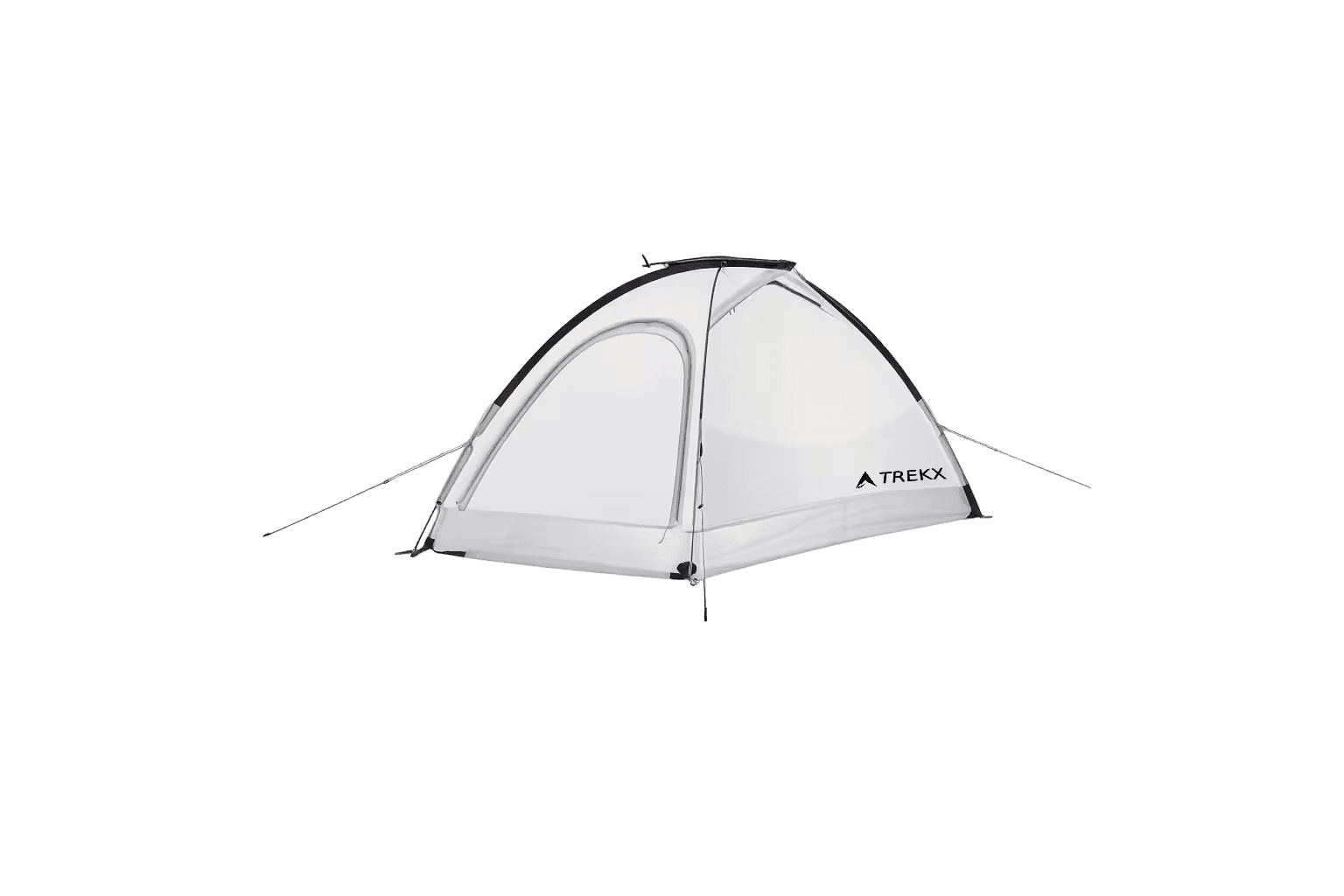
Aether UL Shelter
The ultralight shelter that earns its trade-off against snow burial tolerance through consistent snow wall construction protocol at every camp
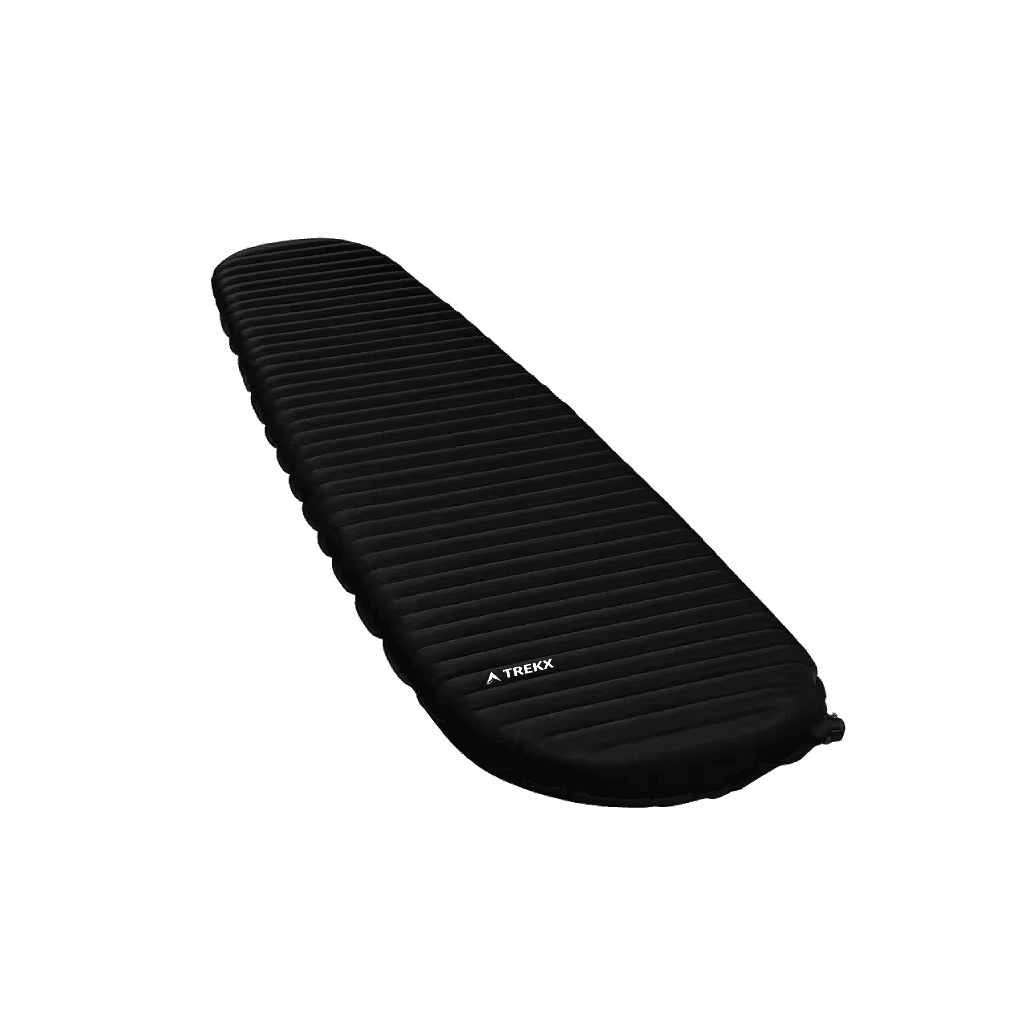
ThermaPeak Expedition Pad
The thermal break that keeps performing at its -40°C lower limit between glacier ice and sleeping bag
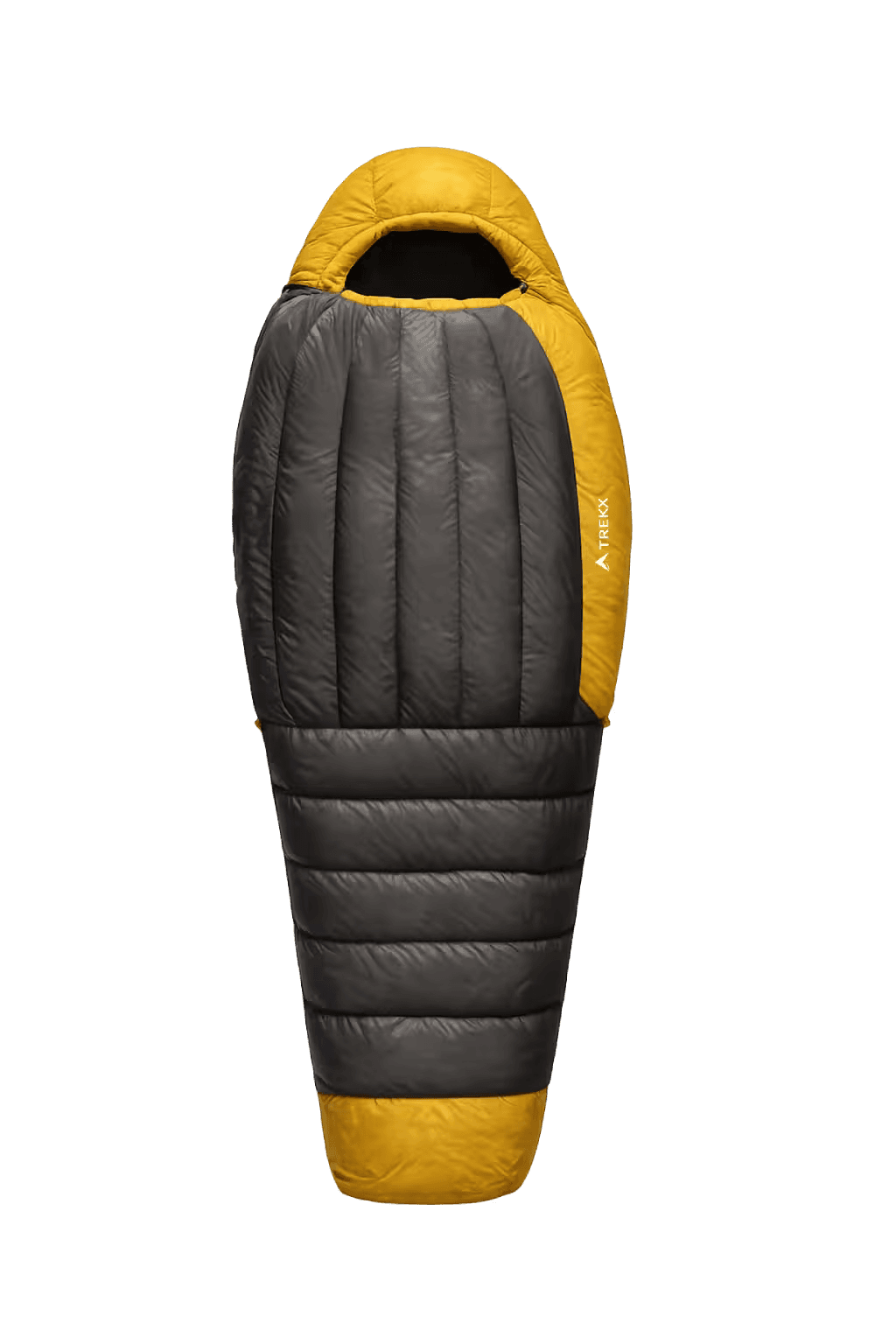
SummitCore Expedition Bag
Rated -40°C lower limit for Camp Three at Windy Corner where storm wind chill reaches -45°C effective
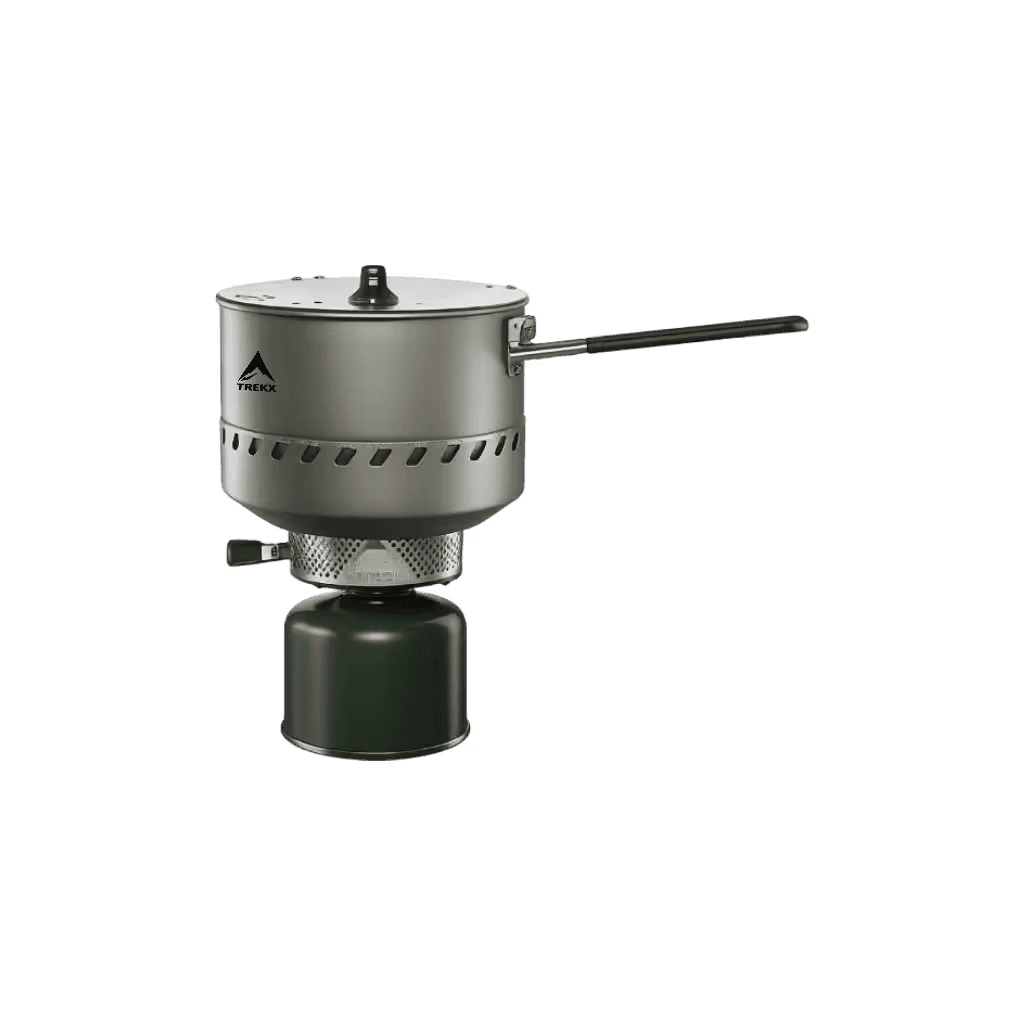
Inferno X Expedition Stove
Pre-heater maintains canister pressure to -40°C at high camps where snow melting is the only water source and stove failure removes hydration from the expedition's daily function
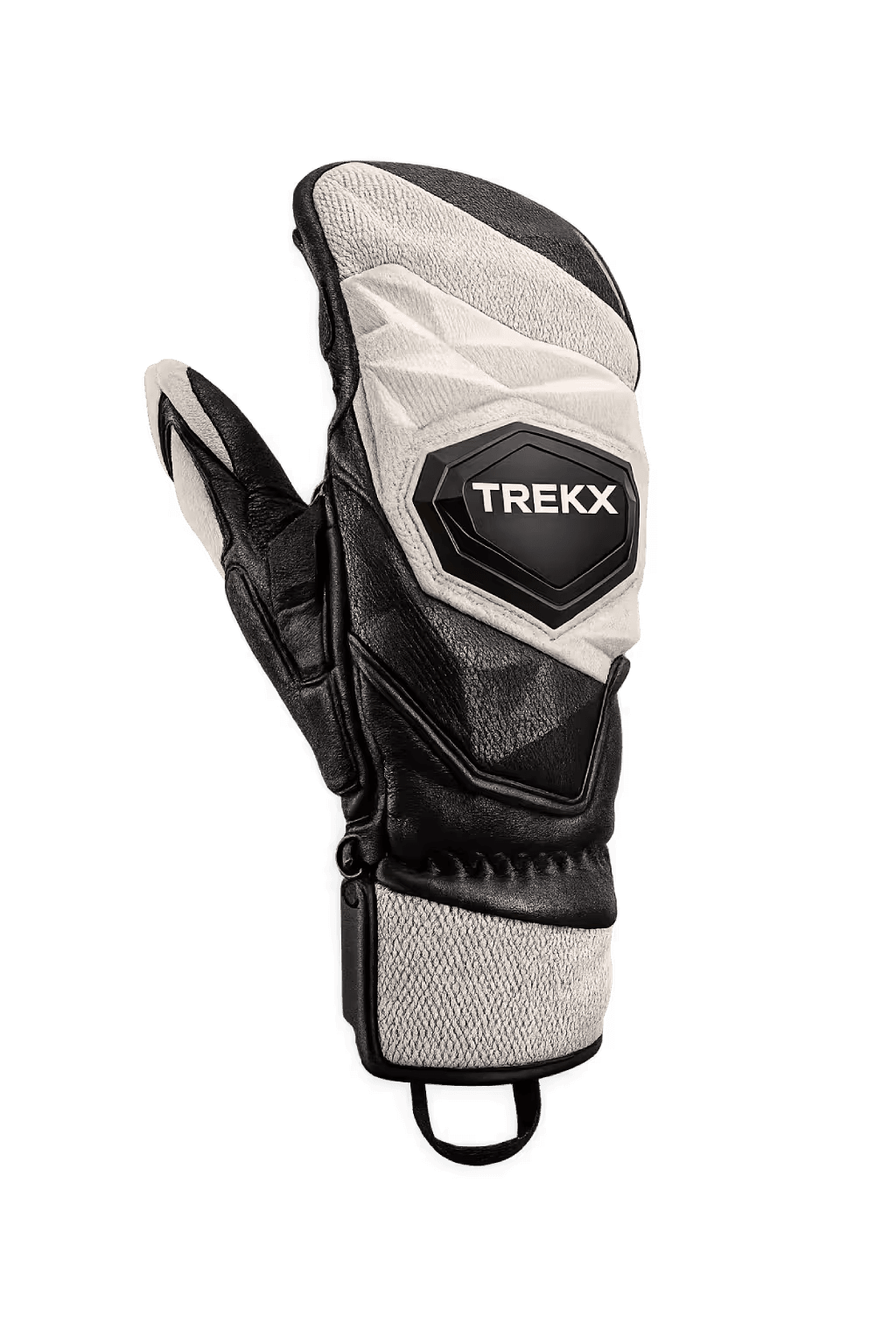
Icebound Expedition Gloves
Worn for all camp operations where bare hands sustain frostbite in 90 seconds and the glove dexterity practiced at Camp One manages everything the hands need to do
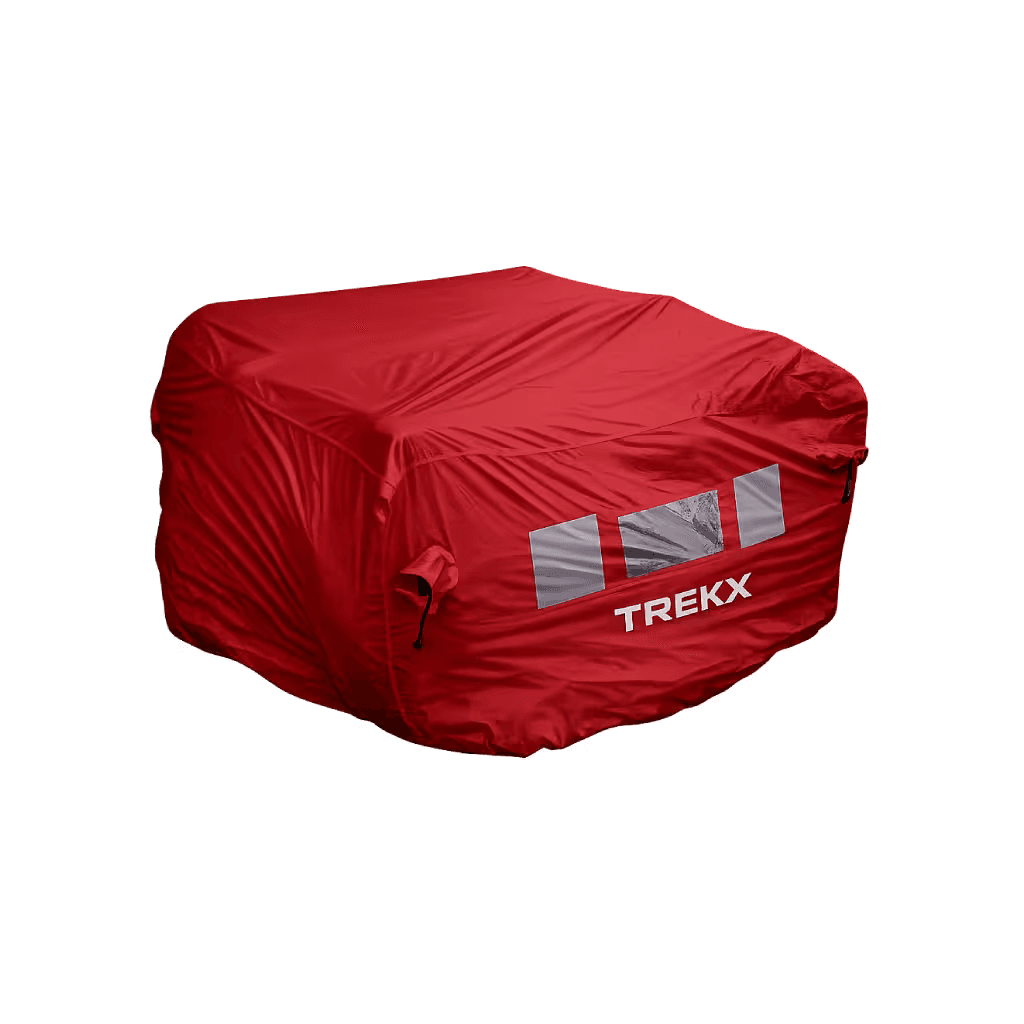
StormCore Emergency Shelter
The 12–24 hour survival window that the primary tent cannot provide when the team cannot reach it
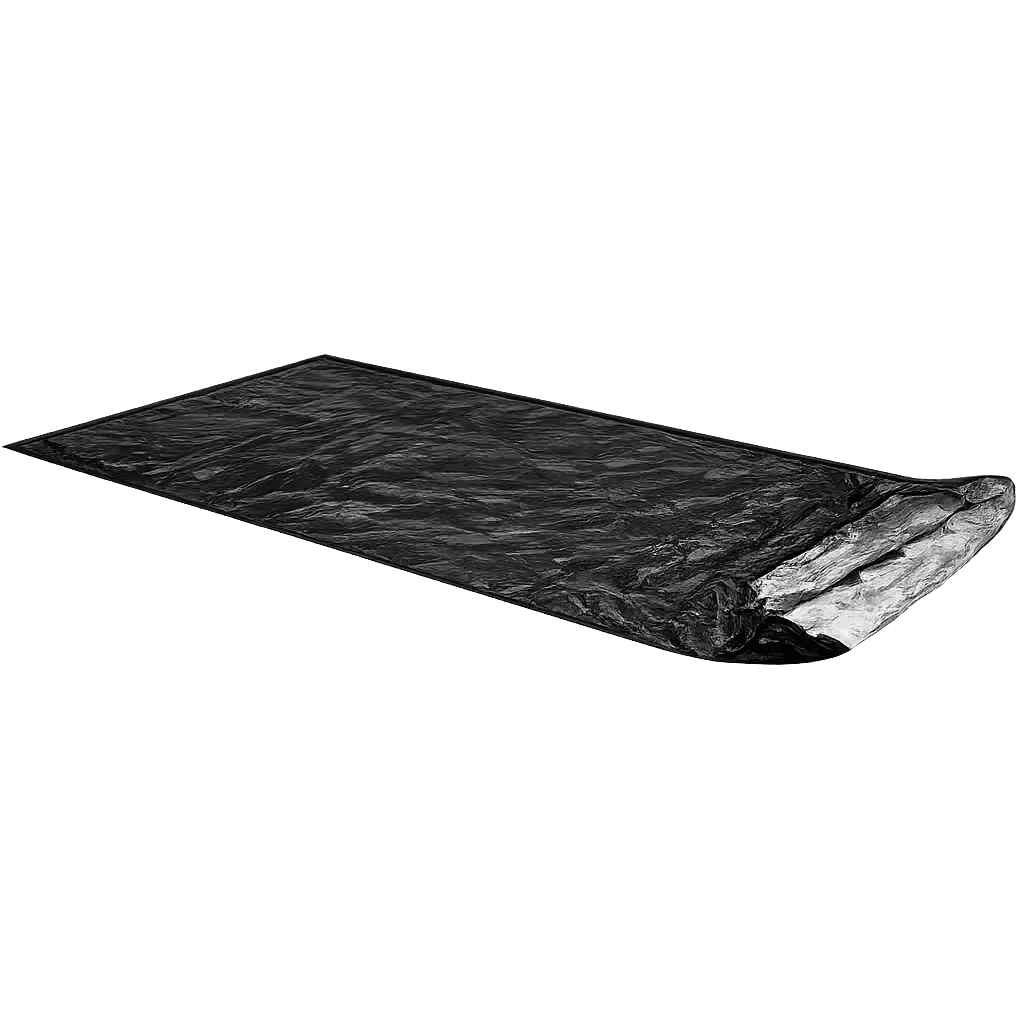
Alpine Emergency Bivy
The single-person survival window that extends the rescue timeline when the team cannot move together
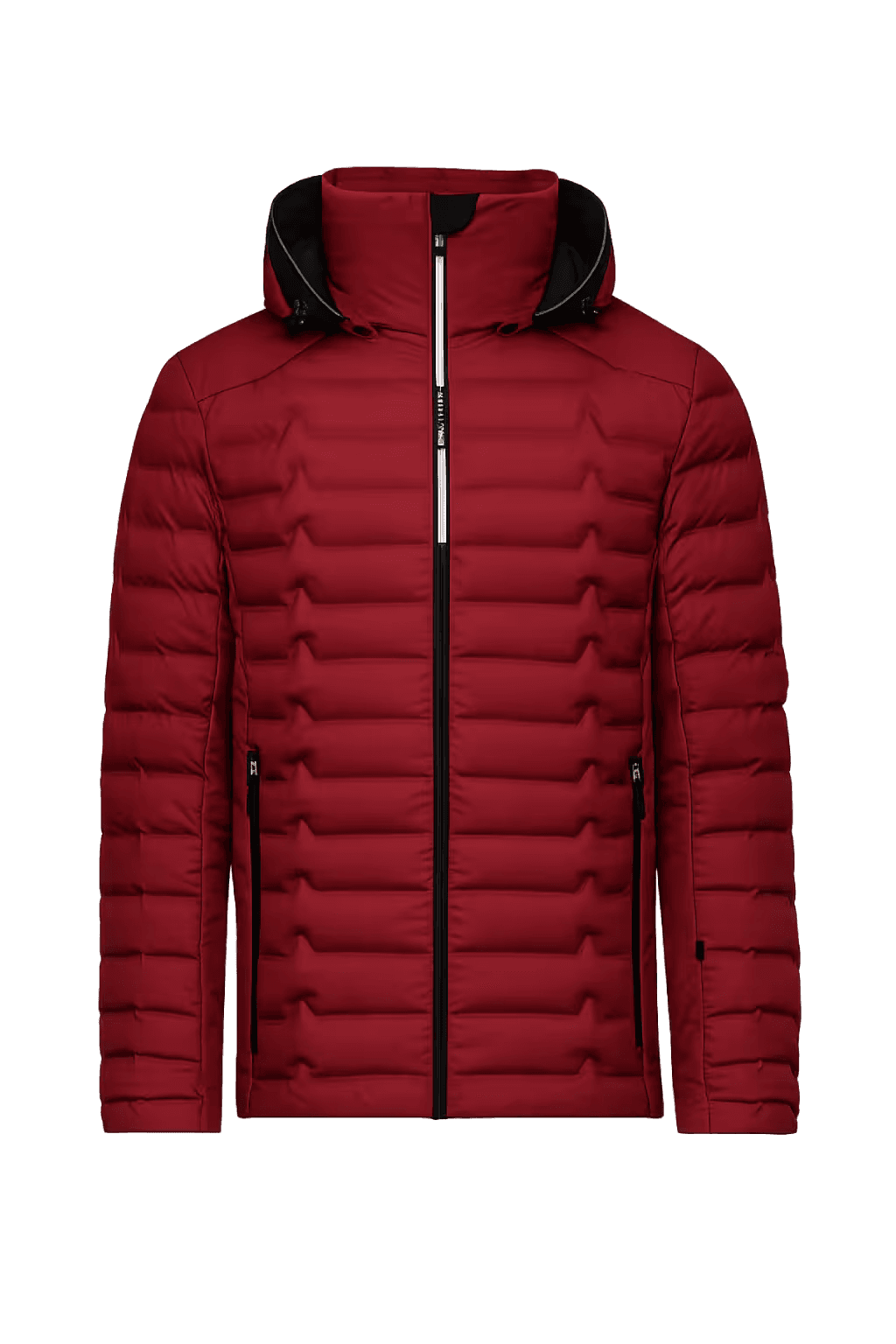
SummitVoid Down Parka
Static cold layer for camp operations at Windy Corner where the GTX shell manages wind
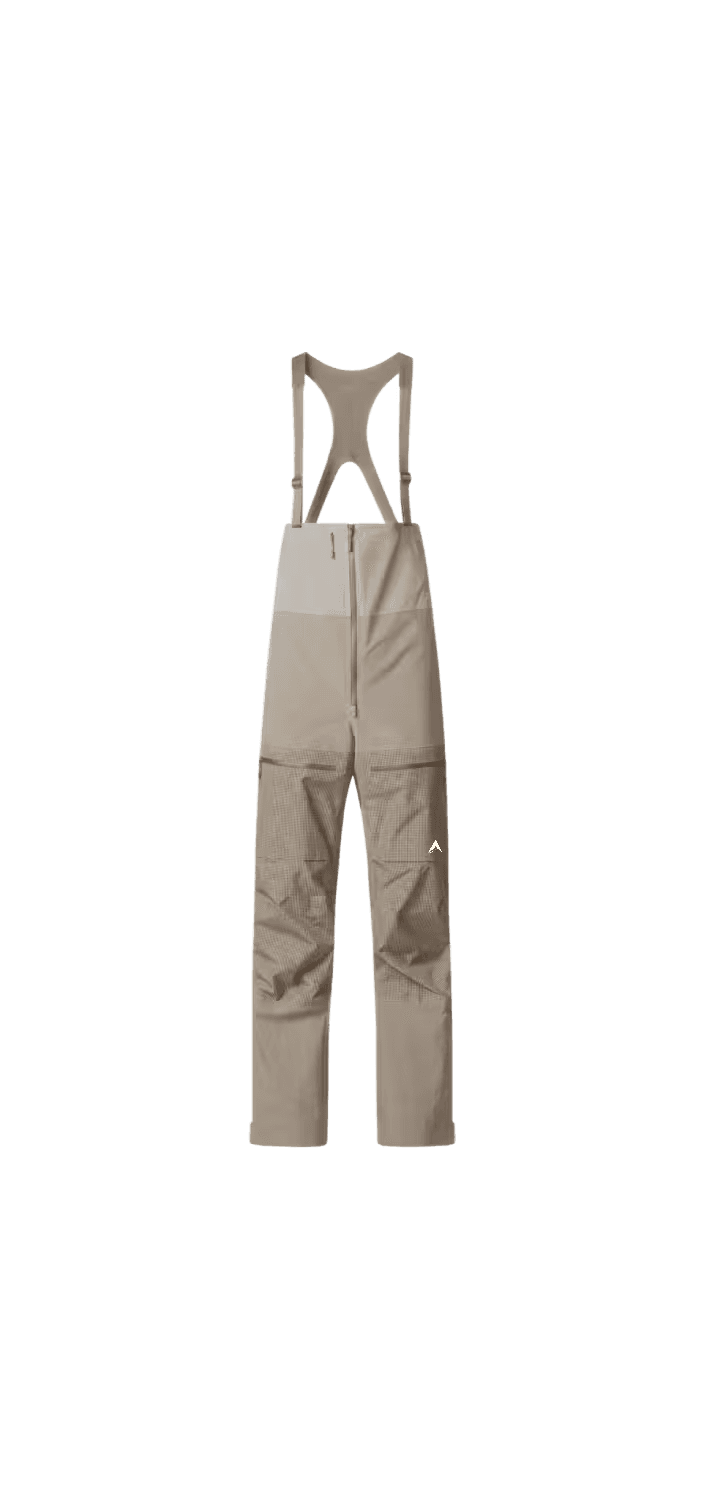
Tempest GTX Bib Pants
Wind and snow protection from Camp Two through all upper glacier movement
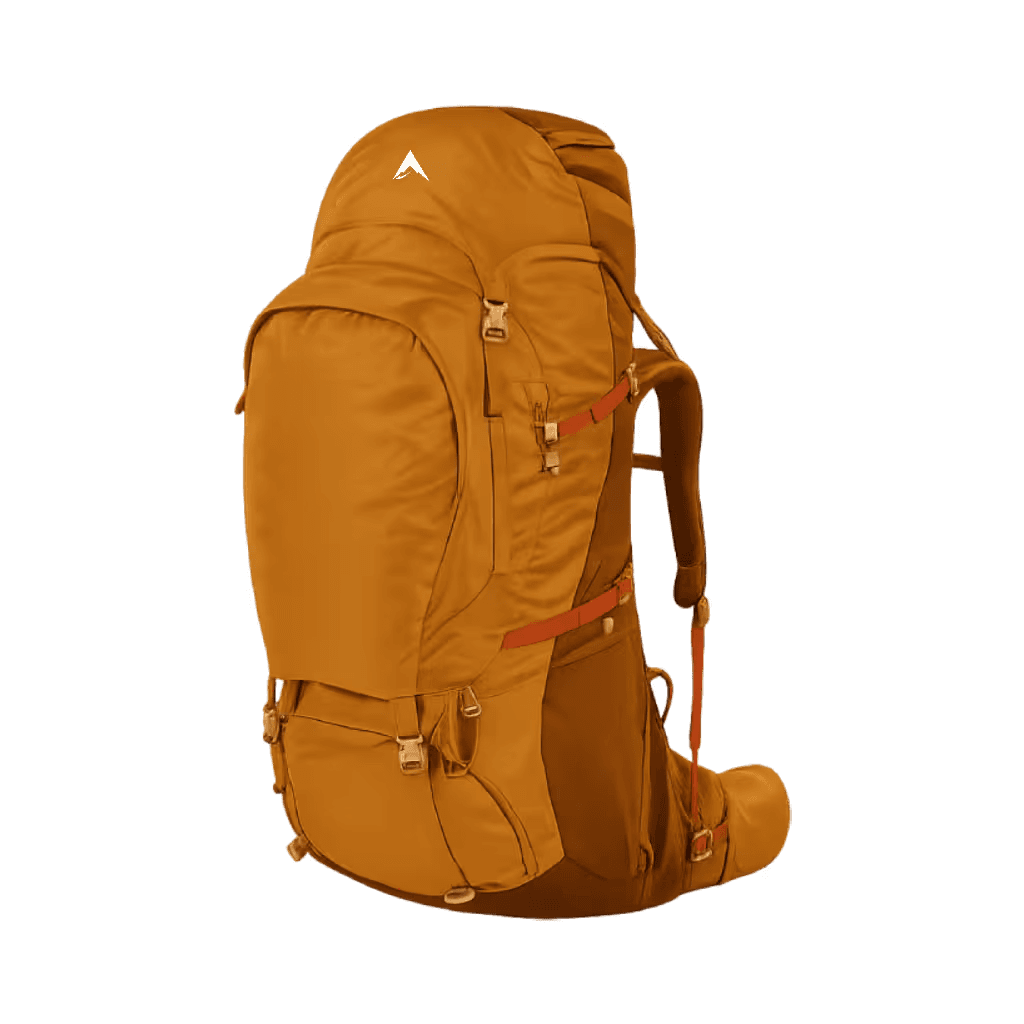
Titan Ridge Expedition Pack
Hip belt attachment for the sled trace line, top lid emergency access for the StormCore and Alpine Bivy, the structural load management for 21 days of Alaska Range self-reliance