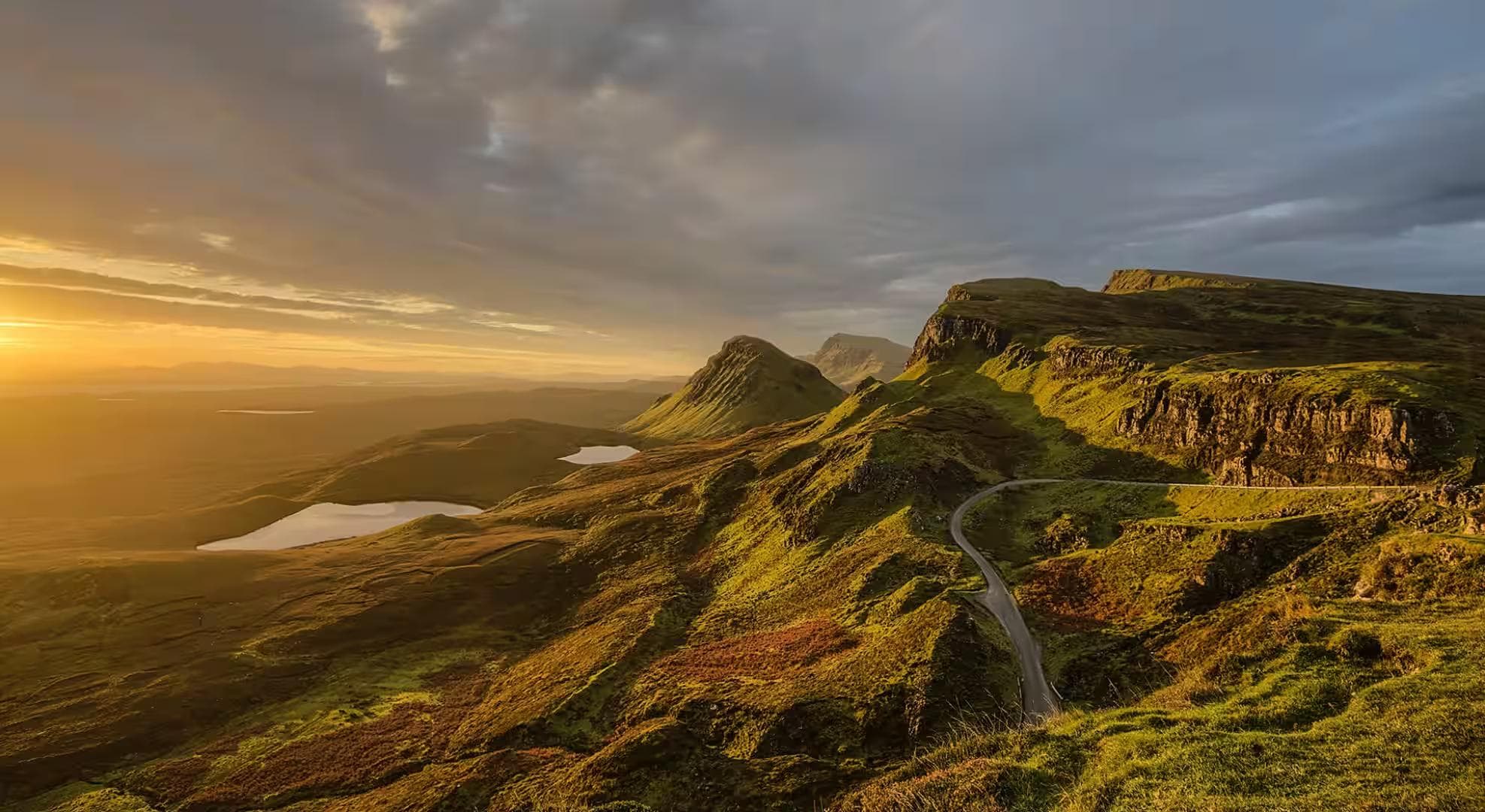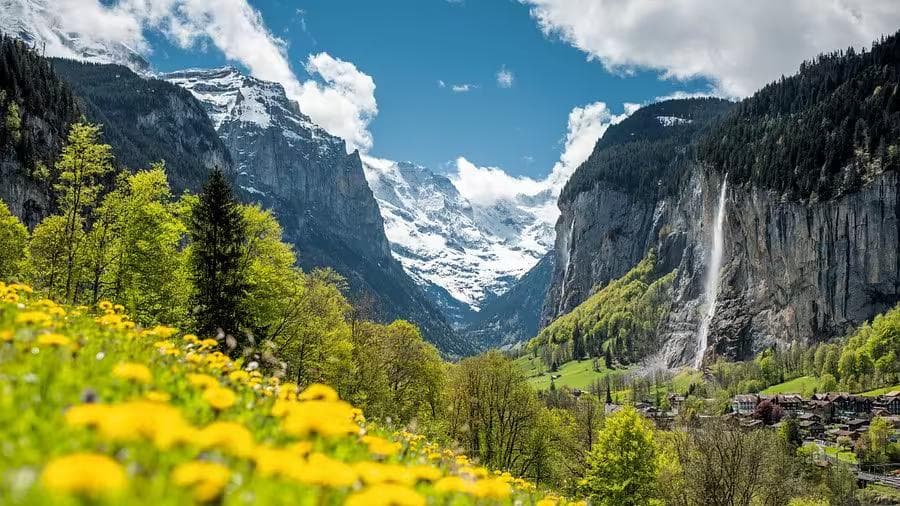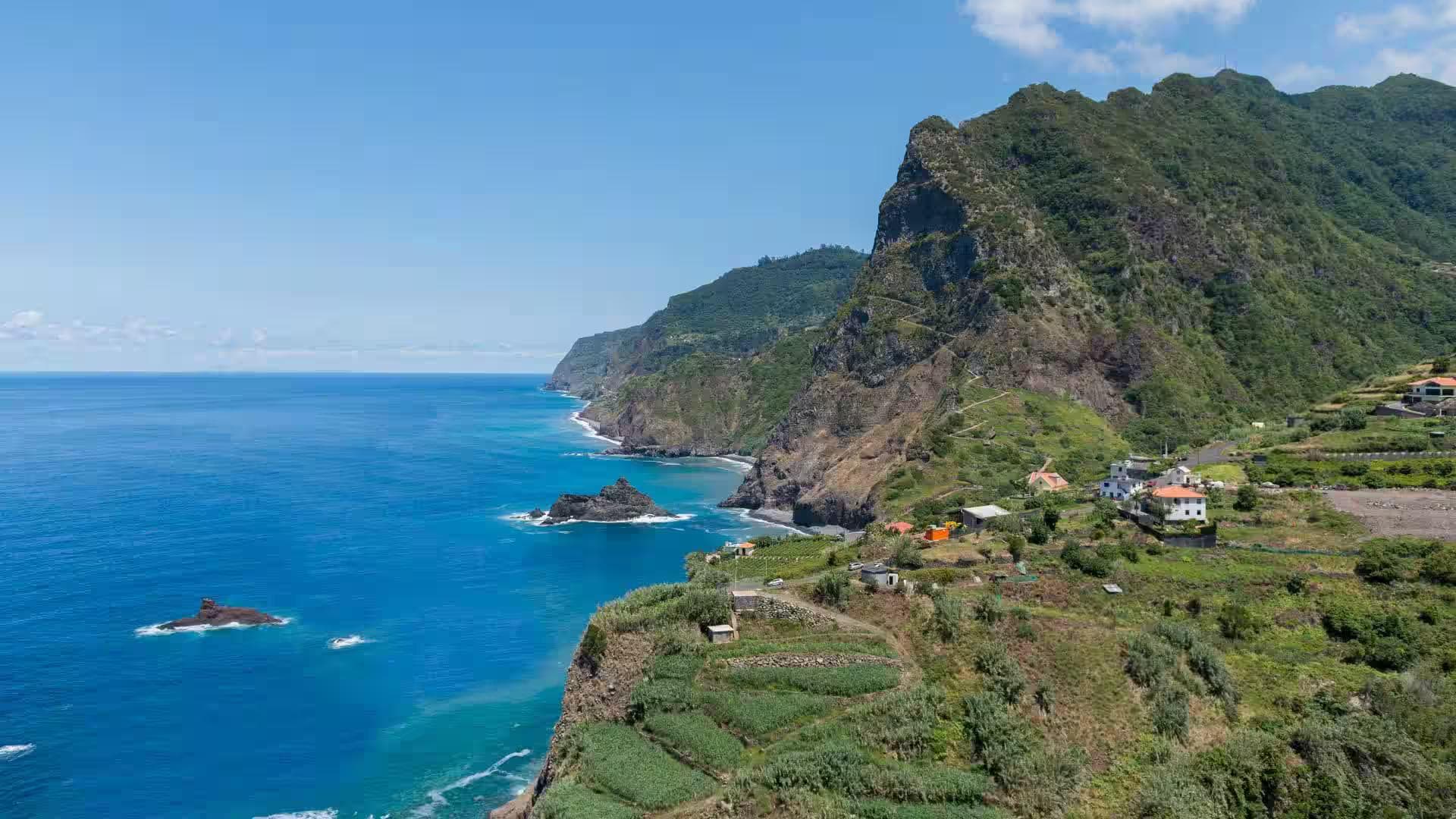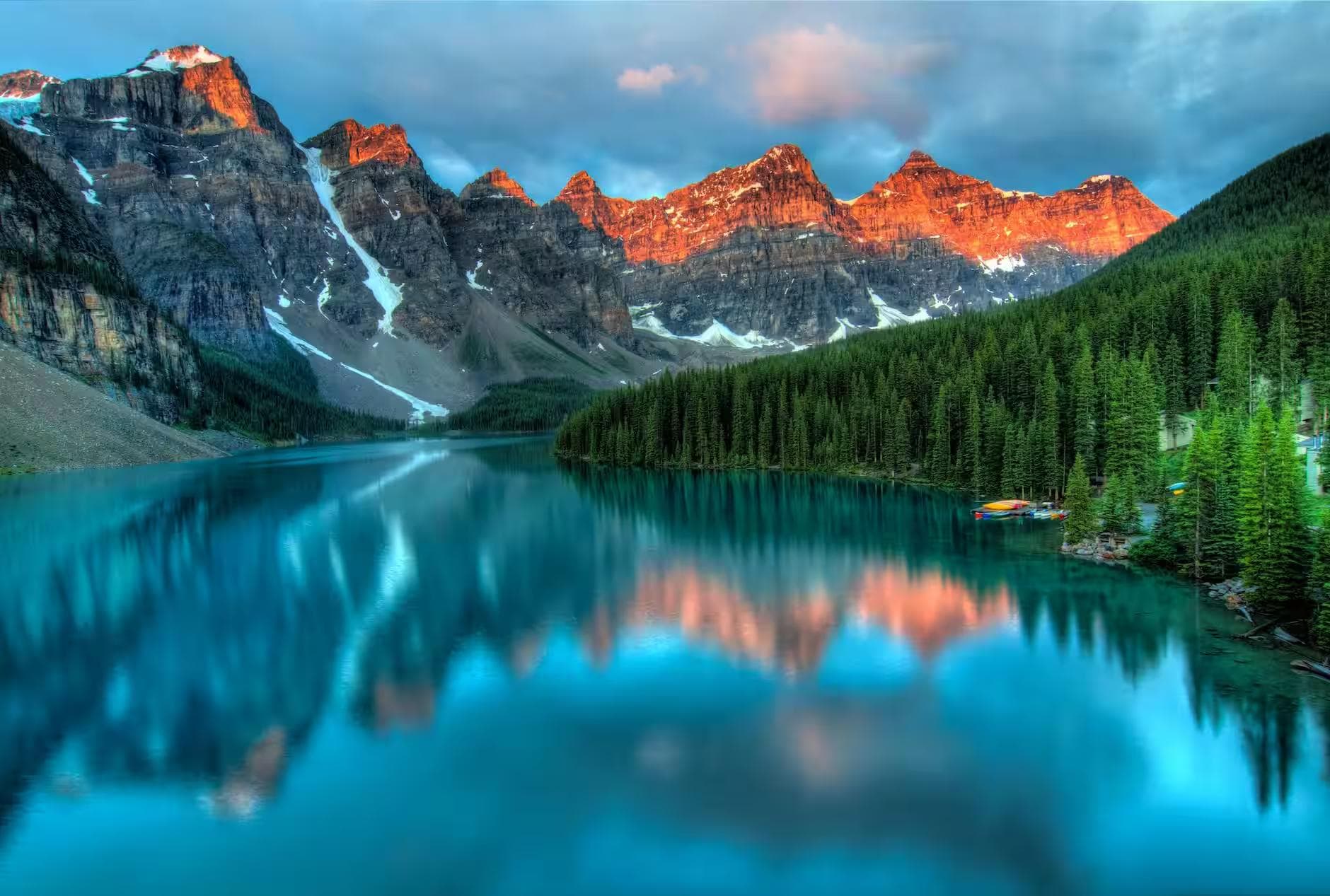
The first time you see Lake Louise, you genuinely wonder if someone has adjusted the saturation. The water is that particular shade of glacial turquoise — mineral-dense, impossibly clear, the colour of something that should not exist at this latitude — that photographs fail to represent accurately and that no amount of prior image consumption fully prepares you for in person. The Victoria Glacier hangs above the far end of the lake, white against grey rock, and the whole scene sits in a silence that feels engineered, as though the mountains arranged themselves specifically for this view. They did not, of course. They are indifferent. That indifference is part of what makes them worth four days of your time.
01Getting to Banff
Banff National Park sits in the Canadian Rockies in Alberta, approximately 130 kilometers west of Calgary via the Trans-Canada Highway. The drive from Calgary International Airport takes around 90 minutes in light traffic and is the standard arrival route for international visitors. Car rental at the airport is straightforward and strongly recommended — public transport within the park is limited, and the four-day itinerary described here requires movement between trailheads that a car makes significantly easier.
Park Access & Fees
Entry to Banff requires a Parks Canada Discovery Pass, which runs CAD $72 per adult for an annual pass or CAD $24 per vehicle per day. The annual pass is worthwhile for any visit longer than three days. Purchase it online before arrival or at the park gate on the Trans-Canada. Accommodation in Banff township runs from CAD $180–350 per night for mid-range hotels; Banff Park Lodge and Moose Hotel & Suites both sit well within walking distance of the main trail access points.
Book accommodation and any popular trail permits through Parks Canada reservations at least 6–8 weeks in advance for July and August visits. The Plain of Six Glaciers Tea House trail, Johnston Canyon, and the Larch Valley route all see significant daily visitor numbers and can require timed entry reservations during peak season.
02Day One: Johnston Canyon
The first day is a gentle introduction to the scale of what the park contains. Johnston Canyon — 25 kilometers northwest of Banff township on the Bow Valley Parkway — is a canyon walk carved by the Johnston Creek through pale limestone, the water dropping through a series of waterfalls that become progressively more dramatic as the path climbs.
Lower & Upper Falls
The walk to the Lower Falls covers 1.1 kilometers on a paved and catwalk-mounted trail that clings to the canyon wall above the creek. The Lower Falls drop 10 meters through a natural arch in the rock — the sound of it reaches the viewing platform before the falls themselves become visible, a low concussive pressure rather than a noise. The Upper Falls are a further 1.6 kilometers, considerably more impressive at 30 meters, and reached via a rougher, unpaved section of trail that begins to feel like genuine mountain walking.
Beyond the Upper Falls, a further 3-kilometer trail leads to the Ink Pots — seven cold mineral springs that pool at the surface of an open meadow, each one a vivid aquamarine against the surrounding grassland. The full Johnston Canyon to Ink Pots circuit covers approximately 12 kilometers return and takes 3–4 hours. The TrailFlex Hiking Pants earn their keep on this day: the canyon trail's catwalk sections involve ducking through low overhangs and navigating narrow ledge paths where full freedom of movement matters, and the meadow section beyond the Upper Falls is wet underfoot in the morning hours before the sun reaches the valley floor.
Evening: Banff Township
Return to Banff by late afternoon. The township's main street — Banff Avenue — runs between mountain flanks on both sides and contains enough restaurants and outdoor shops to fill an evening comfortably. Dinner at Elk & Oarsman or the more casual Bear Street Tavern both work well. Sleep early. Tomorrow is Lake Louise.
03Day Two: Lake Louise & Plain of Six Glaciers
Wake at 6:00 am. Drive the 57 kilometers from Banff to Lake Louise before the first shuttle buses arrive. The difference between the lake at 7:00 am and 10:00 am is the difference between a private experience and a shared one with several thousand other people. Arrive early.
Lakeside Hour
The first hour at Lake Louise requires nothing but walking slowly along the shoreline path from the Fairmont Chateau Lake Louise toward the far end of the lake. The glacial flour suspended in the water catches morning light differently at each step, shifting from deep teal to pale mint as cloud cover shifts above. The SummitShade Sunglasses are non-negotiable from this point forward — the reflected UV off glacial water at altitude is intense enough to cause genuine eye fatigue within an hour without protection, and four consecutive days of high-elevation exposure without eye protection produces a specific and unpleasant kind of headache by day three.
Plain of Six Glaciers
The Plain of Six Glaciers Trail begins at the far end of Lake Louise and climbs 380 meters over 5.3 kilometers through subalpine meadow and moraine to a viewpoint facing six glaciers simultaneously. The elevation gain is steady and manageable for a beginner pace. The FlowTrail Hydration Bottle filled at the hotel before departure is the correct approach — there are no reliable water sources between the lake and the Plain of Six Glaciers Tea House at 2,135 meters, and the 5-kilometer climb in cool alpine air creates dehydration faster than the temperature suggests.
The Tea House itself — a stone-and-timber hut open from late June through mid-October — serves soup, sandwiches, and tea carried up by staff on horseback. Eating a bowl of soup at 2,135 meters while six glaciers recede slowly in front of you is a particular kind of lunch. Allow 30 minutes here before the descent.
The Plain of Six Glaciers Tea House does not accept card payments. Carry CAD $30–40 in cash per person for a meal and drinks.
04Day Three: Moraine Lake & Larch Valley
Moraine Lake sits 14 kilometers from Lake Louise and is, by any reasonable measure, the most visually arresting body of water in the Canadian Rockies. The water is a deeper, more saturated turquoise than Lake Louise — rockflour concentration from the surrounding glaciers produces a colour that saturates differently in afternoon light — and the backdrop of the Valley of the Ten Peaks rises so steeply and so immediately from the shoreline that the scale takes several minutes to fully register.
Access Note
Private vehicle access to Moraine Lake Road was restricted by Parks Canada beginning in 2023 due to overcrowding. Access is currently by shuttle reservation from Lake Louise or Banff, or by bicycle. Check the current access policy before planning this day — restrictions and booking windows update seasonally.
Larch Valley Trail
From the Moraine Lake shoreline, the Larch Valley Trail climbs 490 meters over 6 kilometers to Sentinel Pass at 2,611 meters. In late September, the larch trees on the upper slopes turn a vivid gold — the only deciduous conifer in the Canadian Rockies, and in autumn, the hillsides above Moraine Lake become one of the most photographed landscapes in the country. The Summit Trail Cap earns its role on this day: the Larch Valley trail above the treeline is fully exposed to direct sun for approximately 3 kilometers, and the elevation-intensified UV at 2,400 meters is significantly stronger than any lowland equivalent.
Sentinel Pass
The pass itself sits at the edge of beginner-accessible terrain. The final 400 meters of the climb to the pass are steep, loose shale. It is manageable, it is worth doing, and it requires careful foot placement and a willingness to move slowly. The view from the pass — Moraine Lake below, the Ten Peaks in a continuous wall to the south, Paradise Valley opening to the north — is the view that made a generation of hikers choose Canada as a first alpine destination. Stand in it for ten minutes before descending.
Larch Valley above 2,200 meters is bear country. Grizzly and black bear activity is consistent throughout the summer and autumn seasons. Carry bear spray — available at any Banff outdoor retailer — and travel in groups of four or more where possible. Make noise on forested sections of the trail. Do not run if a bear is encountered. Check current bear activity reports at the park visitor centre on this day.
05Day Four: Tunnel Mountain
The final day asks nothing difficult. Tunnel Mountain — a forested summit directly above Banff township at 1,692 meters — is a 4.3-kilometer return walk from the trailhead on St. Julien Road, gaining 300 meters of elevation through Douglas fir forest before a short rocky scramble to the summit. The full walk takes 2 hours and delivers a view of the Bow River Valley, the township below, and the Rundle and Cascade ranges in both directions serving as a coherent summary of the four days that preceded it.
Slow Morning
Do not rush this day. Start at 8:00 am, carry the FlowTrail Bottle and a packed breakfast, and walk at a pace that makes space for the previous three days to settle. The trail is straightforward and well-signed. The summit is quiet on weekday mornings. The SummitShade Sunglasses and Summit Trail Cap carry over from the previous days — the summit is open to direct sun and sits above enough elevation to make full UV exposure a real consideration even on a final morning walk.
By noon, the walk is finished, the bag is packed, and the drive back to Calgary along the Trans-Canada offers one last hour of Rocky Mountain scenery before the airport and everything that follows it. Most people who leave Banff already know they are coming back. That feeling — the specific certainty of an unfinished conversation with a landscape — tends to arrive before the park boundary even disappears in the rearview mirror.
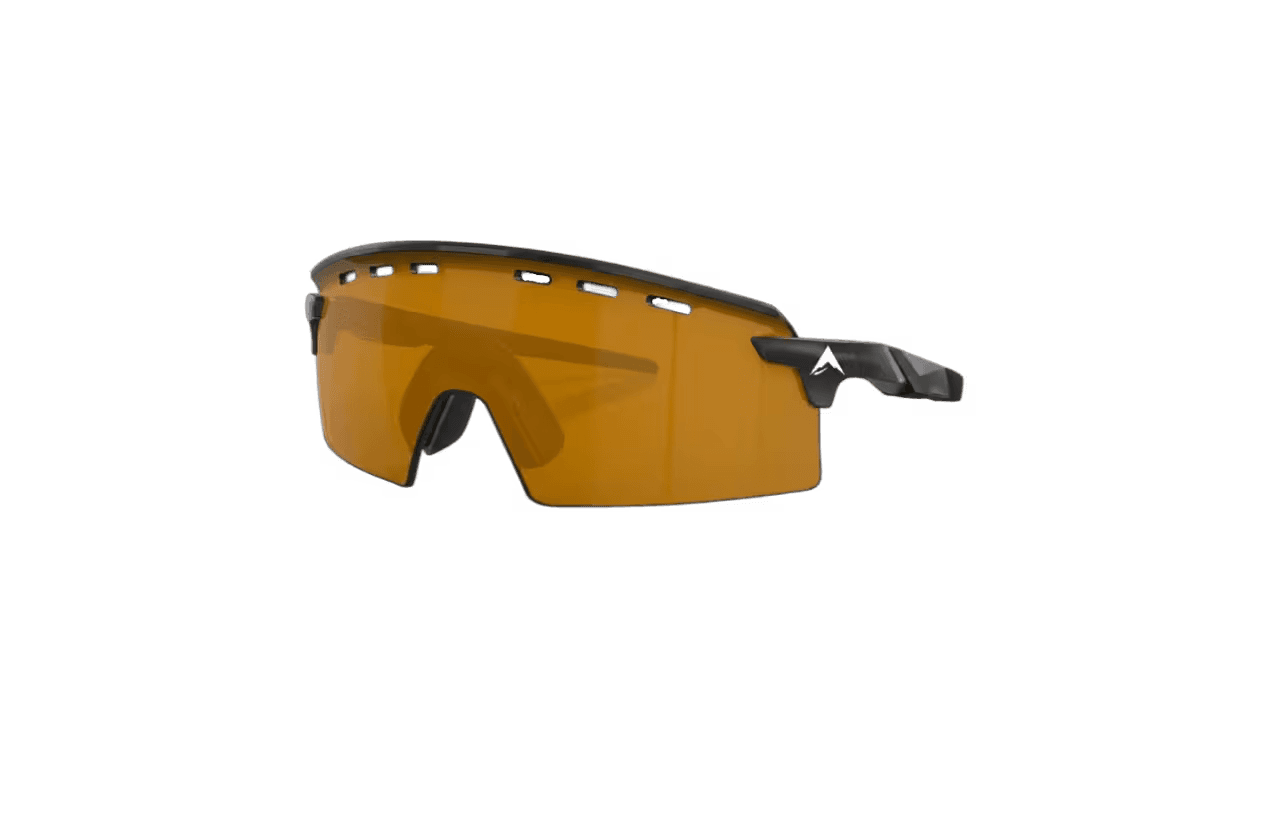
SummitShade Sunglasses
glacial lake reflection and high-elevation UV cause genuine eye fatigue
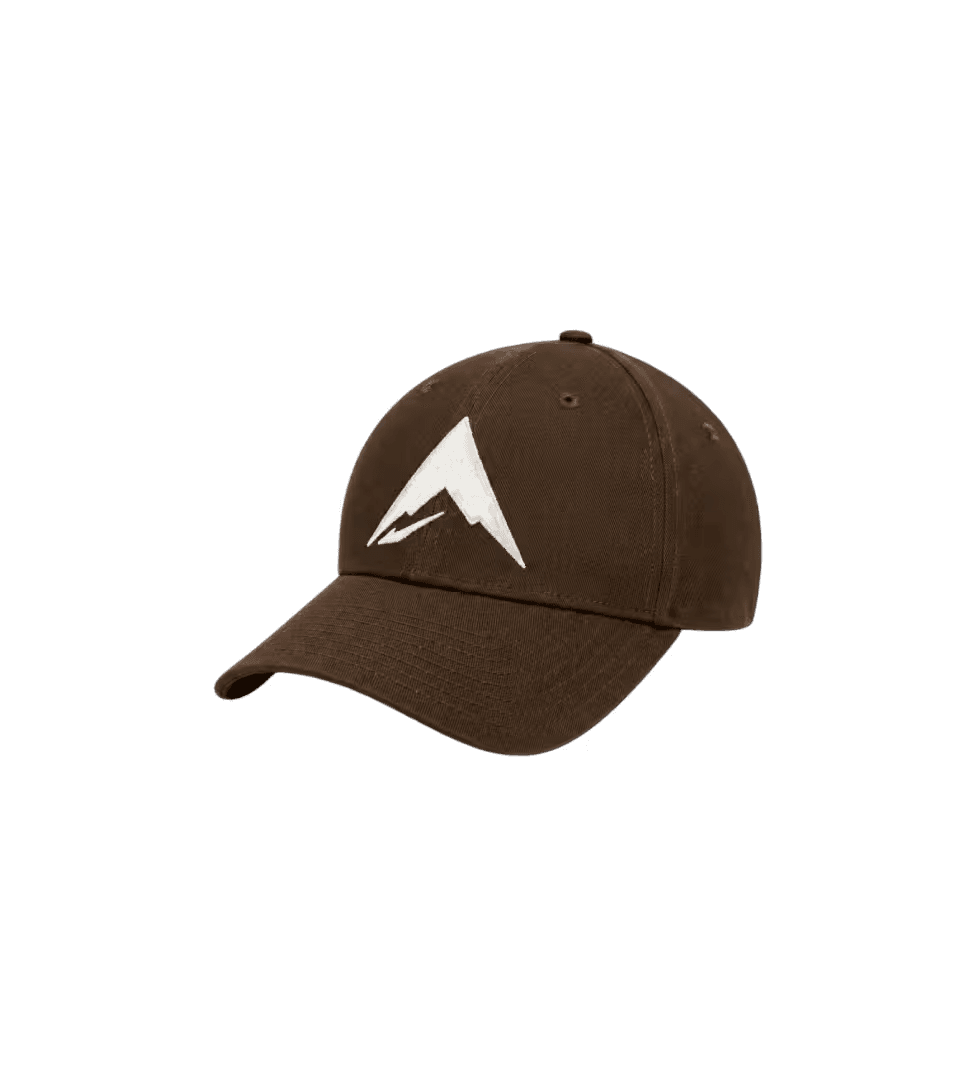
Summit Trail Cap
It provides the UV protection that sunscreen alone cannot cover on a six-hour exposed ridge day
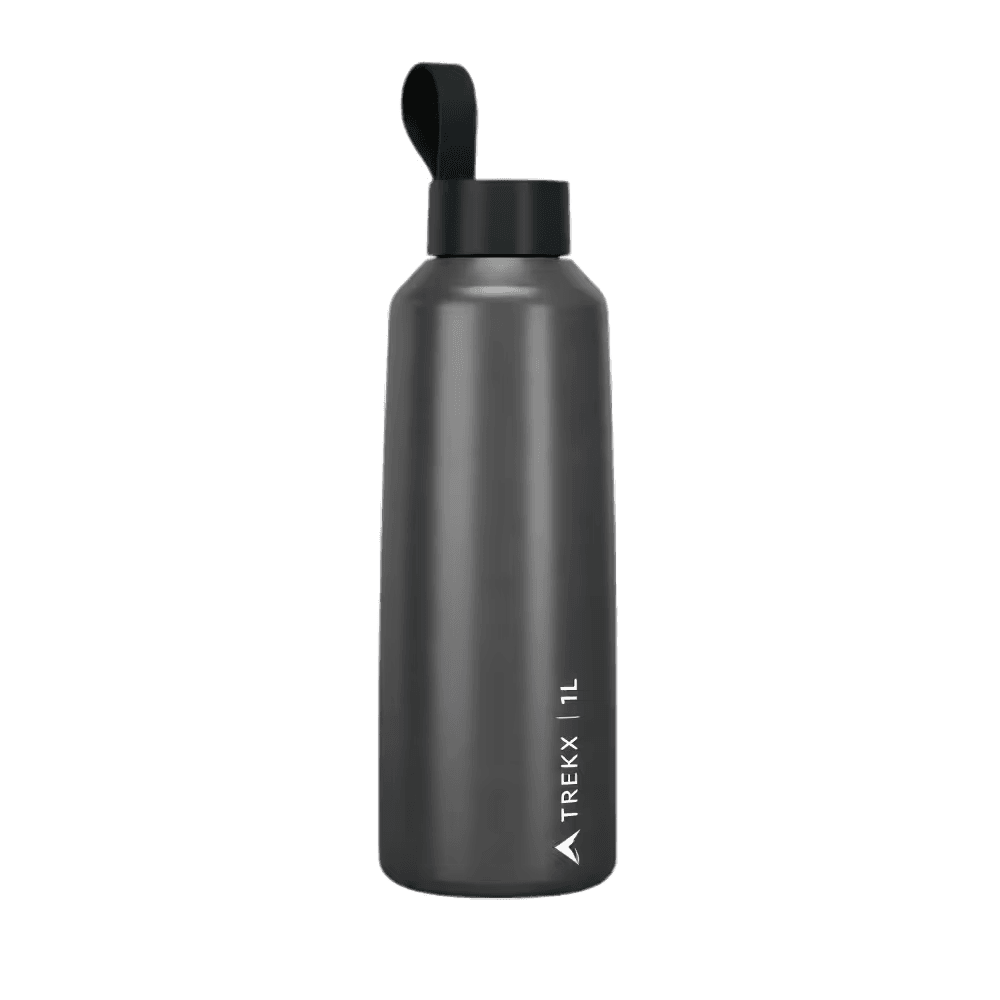
FlowTrail Hydration Bottle
Alpine dehydration at 2,000+ meters arrives faster than the temperature suggests