The Julian Alps do not announce themselves as a climbing destination. From the road approaching Lake Bled, they appear as a forested backdrop — green ridgelines above the lake, the rock faces hidden behind the tree cover, the exposure of the upper routes invisible from the valley. Then the approach path clears the treeline, and the limestone reveals itself: pale grey rock rising in clean vertical faces above the alp, the ridgeline above it horizontal and sharp and genuinely exposed in the way that the word only means something when the drop on both sides becomes simultaneously visible. The Julian Alps are not the Alps of Mont Blanc or the Dolomites in scale, but they are the Alps in character — and for a trekker making the transition from walking to climbing, character is the category that matters.
The Julian Alps straddle the border between Slovenia and Italy, centered on Triglav at 2,864 meters — the highest peak in Slovenia, a national symbol to the degree that it appears on the country's flag — and the surrounding Triglav National Park. The climbing here is accessible without being easy, technical without requiring the full expedition framework of the advanced guides, and rewarding in a way that scales with the experience of the person on the rock. A first multi-pitch route in the Juliáns produces the specific understanding that no amount of trekking prepares for: that moving upward on vertical rock requires a different relationship with the body, the terrain, and the consequences of error than anything horizontal does.
01Why the Julian Alps for a First Climbing Experience
The Juliáns offer the correct combination of factors for an intermediate trekker's first alpine climbing experience:
- Quality rock — the Triglav limestone is solid, well-featured, and forgiving of imprecise footwork in ways that granite is not. The holds are generous on the grade III–IV routes that this guide covers.
- Hut infrastructure — the Triglav mountain hut network places accommodation at relevant elevations throughout the climbing season, eliminating the tent camping requirement that alpine climbing in less-developed areas imposes on beginners.
- Short approach distances — the Bohinj and Vrata valley approaches to the main climbing sectors reach the base of technical terrain within 3–4 hours, keeping the approach within the physical envelope of an intermediate trekker before the climbing begins.
- Licensed guide availability — the Association of Mountain Guides of Slovenia maintains a guide network based in Bled and Kranjska Gora whose instruction style is calibrated to first-time alpine climbing experiences rather than the competitive culture of harder alpine venues.
A licensed IFMGA guide is the correct approach for the technical days described in this guide. The guide hire for a full day's alpine climbing in the Juliáns runs approximately €200–280 per person for a private client — arrange through the Triglav National Park guide office or directly through Julian Alps Guides.
Bled as Base
Lake Bled — the postcard village with the island church and the medieval castle on the cliff above the lake — is the expedition base. Its proximity to the climbing sectors, the quality of its accommodation infrastructure, and the specific pleasure of swimming in a glacial lake after a day on limestone are the reasons the Juliáns' climbing community bases itself here rather than in the higher, less comfortable villages closer to the park. The Triglav National Park information center in Bled provides current route conditions, hut availability, and the guide booking service. Spend one night in Bled before the first approach day.
Accommodation options:
- Hotel Triglav Bled — mid-range, lakefront, restaurant with post-climbing appetite capacity
- Bled Hostel — budget, central, well-used by the climbing and trekking community
- Garden Village Bled — glamping option for those who want the forest without the tent
The Julian Alps weather forecast from the Slovenian Environment Agency is the operational standard for climb-day decisions. Check it the evening before each technical day — the Julian Alps' proximity to the Adriatic produces fast-moving storm systems that the 24-hour forecast captures accurately and that the in-the-moment visual assessment of the summit often underestimates. A clear Bled morning can mean a storm at 2,500 meters by noon.
02Day One: Approach to Vrata Valley & Gear Introduction
Drive: 40km from Bled | Walk: 6km approach | Elevation: 1,000m–1,700m | Time: 3–4 hours
The Vrata Valley — the northern approach corridor to Triglav's north face — is the correct introduction to the Julian Alps' climbing terrain. The 6-kilometer approach from the Peričnik waterfall car park follows a well-maintained path through beech and pine forest before the valley narrows and the north face reveals itself: 600 meters of pale limestone rising directly above the valley floor, the Slovenian climbing routes of the 20th century marked by iron pitons and fixed ropes that the alpine club has maintained since the 1930s.
Equipment Introduction
The first afternoon in the valley is the gear introduction session — the guide runs through the climbing system before any technical terrain is attempted. The sequence:
- Harness fitting — the AnchorFit Harness adjusted for the specific layering system worn on the approach. The harness that fits correctly at the car park in a single layer may require adjustment at the route's base in a full alpine kit. The guide checks the double-backed buckle on both leg loops and the waist belt before any climbing begins — not once, at the start, but at every belay station throughout the climb.
- Belay device setup — the LockFlow Belay Device is threaded correctly on the belay loop, the locking mechanism is tested, and the brake hand position is established as muscle memory before the first loaded fall is possible. The belay device is the system that protects the climber on every pitch. Its operation must be automatic before the route begins, not learned during it.
- Rope management — the SummitLine Dynamic Rope stacked from the CragCarry Rope Bag in the specific order that the first pitch requires — leader's end on top, follower's end accessible, no twists. The CragCarry bag keeps the rope organized at the belay station and protects it from the limestone debris that an unbagged rope collects on the approach and carries onto the face. A twisted or debris-laden rope jams in the belay device at the worst possible moment.
- Helmet protocol — the AeroShield Helmet goes on at the route's base and does not come off until the return to the valley floor. Rockfall on the Julian Alps limestone is not frequent, but not absent — previous parties dislodge material on the approach scrambles above the technical sections, and the helmet is the protection against the rock that no one sees coming.
First Technical Moves
The guide introduces the EdgeFlow Climbing Shoes on the bouldering section at the route's base — the transition from approach boots to climbing shoes produces the first real understanding of what technical footwear does: the friction on limestone holds that the rubber compound creates, the precision of foot placement that the stiff sole enables, and the specific discomfort of a shoe tight enough to perform that the body gradually learns to manage. Spend 30 minutes on the bouldering wall before the first roped pitch. The movement vocabulary established here — weight over the feet, hips close to the wall, hands for balance, not for pulling — is the vocabulary that every subsequent pitch uses.
03Day Two: Via Ferrata Italiana & First Exposure
Distance: 10km circuit | Elevation gain: 900m | Time: 6–7 hours
The second day introduces exposure in a controlled format — the Via Ferrata Italiana on the Italian side of the Julian Alps border, accessible from Mangart saddle via the highest mountain road in Slovenia at 2,072 meters. Via ferrata — iron way — is the climbing discipline that uses permanently fixed iron rungs, cables, and stemples on steep and exposed terrain, bridging the gap between trekking and free climbing in a format that the AnchorFit Harness and a via ferrata lanyard manage safely.
The Mangart Sector
The Mangart (2,679m) via ferrata sectors above the saddle offer the Julian Alps' most accessible introduction to genuine exposure — the cable sections traverse limestone faces at 50–70 degrees above the Mangart valley, the drop below the feet increasing with each meter of height, the view across the Friulian plain and the Adriatic coast appearing incrementally as the route climbs. The AeroShield Helmet is mandatory on the via ferrata sections where previous parties on the cable above dislodge stone with their feet on the iron stemples.
Building the Exposure Vocabulary
Exposure is not a technical concept. It is a physiological response to height that the body produces before the mind intervenes. The via ferrata format — where the fixed protection is continuous, and the technical demand is low — provides the environment to develop the specific mental management that exposure requires without the additional cognitive load of route-finding and gear placement. By the second hour on the cable, most climbers find the response diminishing. That diminishment is the first building block of alpine confidence — not the absence of the response, but the ability to continue moving despite it.
The LockFlow Belay Device is used on the via ferrata's abseil descent section — a 25-meter lower on a fixed rope that introduces the descending function of the device on terrain that is steep but not critical. The guide demonstrates the brake hand position, the controlled descent pace, and the device locking under load before the client descends. The abseil that goes wrong on a via ferrata produces a bruise. The abseil that goes wrong on a multi-pitch route at 2,500 meters produces something the guide is there to prevent, which is why the via ferrata is day two rather than day three.
The Mangart saddle road closes in wet conditions — the 2,072-meter pass road is a single-track surface that becomes genuinely dangerous in rain. Check the road status at the Triglav National Park website before departure from Bled. If the road is closed, substitute the Bohinj valley approach to the Vogel sector via ferrata, which provides equivalent exposure on a lower approach road.
04Day Three: Multi-Pitch on Triglav's South Face
Distance: 14km total | Elevation gain: 1,600m | Time: 8–10 hours
The third day is the climb — a full alpine day from the Aljažev dom hut in the Vrata valley (1,015m) to the technical routes on Triglav's south face via the Bamberg route (UIAA Grade III), and for those whose guide assesses them as ready, the continuation to the summit at 2,864 meters. This is the day the equipment system operates at full commitment, and the skills developed over the previous two days function in a genuinely alpine context.
Pre-Dawn Departure
Departure from Aljažev dom at 4:30 am — the pre-dawn start that places the technical section of the route in morning conditions rather than the afternoon storm window. The Julian Alps' thunderstorm pattern between July and August follows the same Adriatic-driven convective development as the broader Alpine system: clear or partly cloudy mornings, building cloud by 11:00 am, and active storm potential between 1:00 pm and 4:00 pm. The Bamberg route's technical section takes 3–4 hours from the base — a 4:30 am departure clears the exposed ridge before the convective window opens.
The Bamberg Route
The Bamberg route on Triglav's south face — established in 1930 and the most consistent Grade III multi-pitch in the Julian Alps — climbs 400 meters of limestone in 8 pitches, each one building on the previous in exposure and technical demand. The rock is sound, the holds are generous for the grade, and the fixed protection — pitons placed by the Alpine Club over decades of maintenance — provides reliable intermediate gear placements that supplement the SummitLine Dynamic Rope's running belay.
Pitch by Pitch
The first three pitches follow a broad ledge system before the face steepens — each belay station has a hammered piton and a natural thread, the AnchorFit Harness clipped to both with the LockFlow Belay Device in the guide's hands while the client climbs. The EdgeFlow Climbing Shoes find the limestone's friction holds on the steeper sections above pitch four — the specific pleasure of a foot placement that holds exactly where it was placed, the shoe rubber adhering to the rock surface at a precision that approach boots cannot approach, the body understanding for the first time what technical footwear actually does on actual rock. This is the moment most first-time alpine climbers describe afterward as the revelation — not the summit view, but the mid-pitch understanding that the feet can be trusted.
Above pitch five, the exposure becomes the defining sensory experience. The valley floor 400 meters below is visible through gaps in the ridge, the Vrata valley forests are green and small, and the scale of the descent that would result from a fall becomes geometrically clear without the guide's narration. The AeroShield Helmet is felt as correct rather than precautionary on the upper pitches where the rock above the route is loose on its southern exposure. Move steadily. Trust the system. The guide is on the rope.
Summit (Optional)
From the top of the Bamberg route, the path to the Triglav summit at 2,864 meters follows the protected ridge — iron stemples and fixed cables on the final 150 meters — to the highest point in Slovenia. The summit view encompasses the Adriatic to the southwest, the Dolomites to the west, the Austrian Alps to the north, and the Slovenian plateau to the east — four countries visible simultaneously from a summit that the entire route's difficulty finally justifies. The descent via the Kredarica hut (2,515m) and the Vrata valley path takes 3–4 hours and arrives at Aljažev dom before the afternoon storm window closes the upper mountain.
The Triglav summit ridge, in active lightning, is one of the most exposed positions in the Julian Alps. If thunder is audible during the upper route approach, do not continue above the Bamberg route's top pitch. Descend the route with the guide using the LockFlow Belay Device on the abseil anchors that the piton system provides. A summit deferred is a summit available on another day. The ridge in lightning is not.
05Day Four: Sport Climbing at Bohinjska Bela
Distance: 3km approach | Time: Full day | Grade range: 5a–6b
The final day is consolidation — a full day at the limestone sport climbing crags above Bohinjska Bela on the south shore of Lake Bohinj, 20 kilometers from Bled. The crags here offer bolted single-pitch routes from Grade 5a to 6b on south-facing limestone, with shade from the beech canopy above the lower sections and full sun on the upper walls from mid-morning.
The Sport Climbing Day
Sport climbing — bolted routes on clean rock with pre-placed protection — removes the gear placement and route-finding variables from the climbing equation and concentrates the experience on movement. This is the correct final day format for a first alpine climbing sequence: after two days of guided multi-pitch and via ferrata, a day on bolted routes allows the movement vocabulary to consolidate without the cognitive overhead of alpine route management.
The SummitLine Dynamic Rope runs through the bolt hangers as lead protection — the guide leads each route first, setting the top rope through the anchor, and the client follows on the top rope before attempting the route in lead position on the easier grades. Lead climbing — where a fall results in twice the distance to the last protection point — is the final technical introduction of the guide's four-day program, and the Bohinjska Bela crags are the correct environment for it: soft landings, short fall distances, solid bolt anchors, and a guide whose belay is below rather than above.
The CragCarry Rope Bag handles the rope management at the crag base — deployed at each route's start, the rope is fed from the bag in controlled coils that prevent the ground contact and twist accumulation that unbagged ropes develop across a full day of multi-route climbing. At the day's end, the rope is stacked back into the bag for the walk to the car. The bag is the piece of kit that makes a climbing day feel organized rather than improvised, and the organization it provides is, after four days of alpine instruction, already beginning to feel like a habit.
Closing the Four Days
By the final evening in Bled, the four-day arc resolves into something that a trekking background alone does not produce: a vocabulary of vertical movement, a calibrated relationship with exposure, and the specific confidence that comes from having been on genuine alpine terrain with the right equipment, the right instruction, and the right progression. The Julian Alps are not the highest or most technical venue in this guide series. They are, for this specific transition, the correct one — a place where the climbing is serious enough to matter and accessible enough that the mattering produces growth rather than crisis.
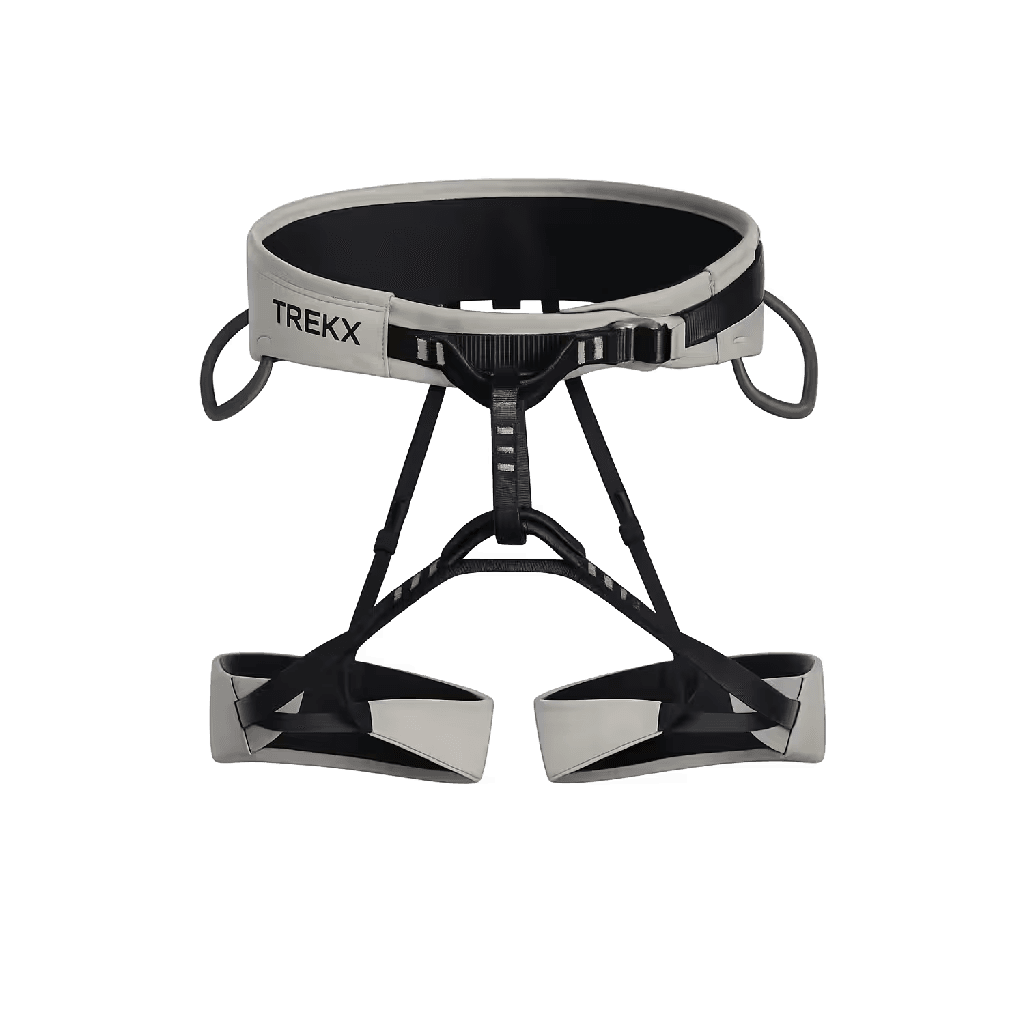
AnchorFit Harness
Fitted and guide-checked at the Vrata valley base, the equipment whose correct configuration the guide verifies at every belay station
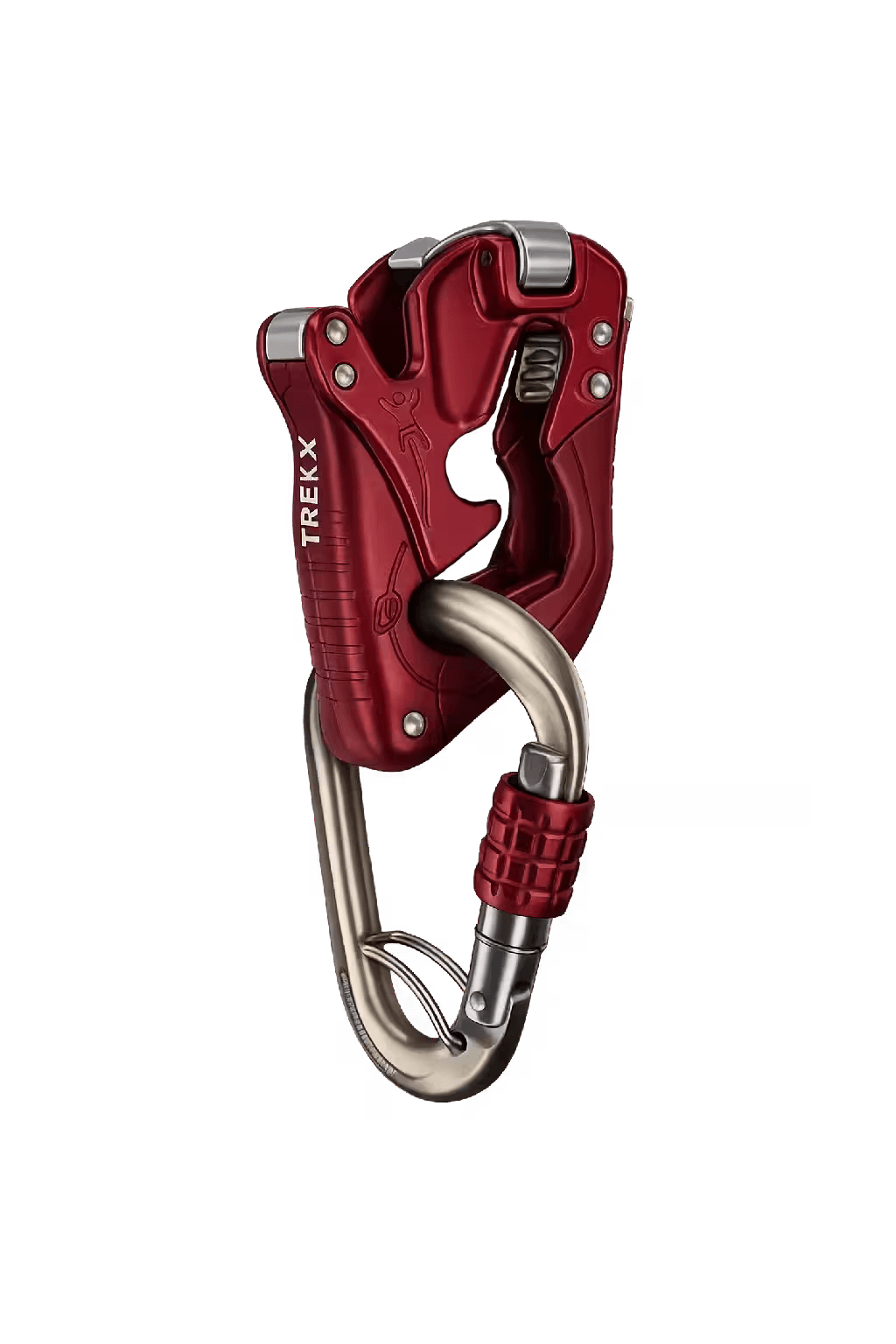
LockFlow Belay Device
Belays the leader on the Bamberg route pitches and controls the Mangart via ferrata abseil
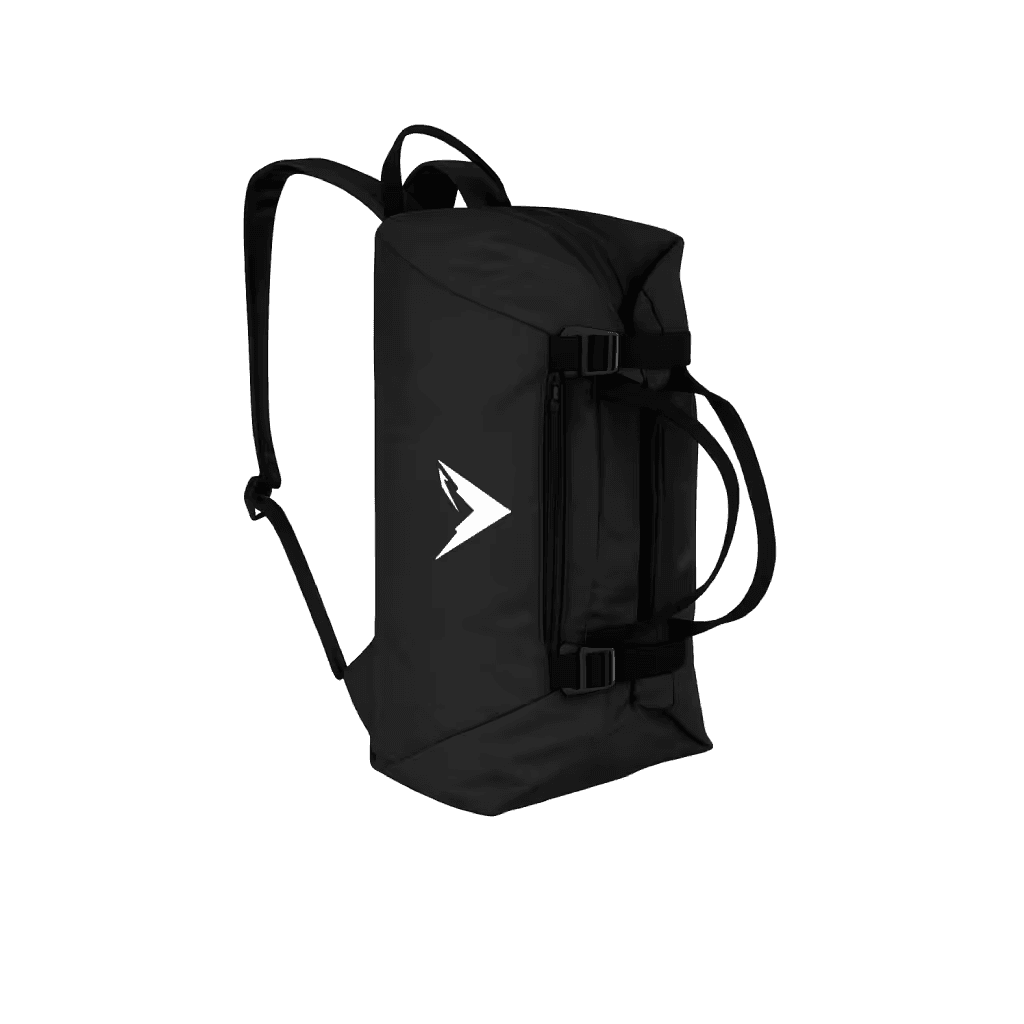
CragCarry Rope Bag
the bag that prevents twist accumulation and ground contamination that an unbagged rope carries onto the limestone face and into the belay device

EdgeFlow Climbing Shoes
Limestone friction performance on the Bamberg route's technical pitches and Bohinjska Bela sport routes
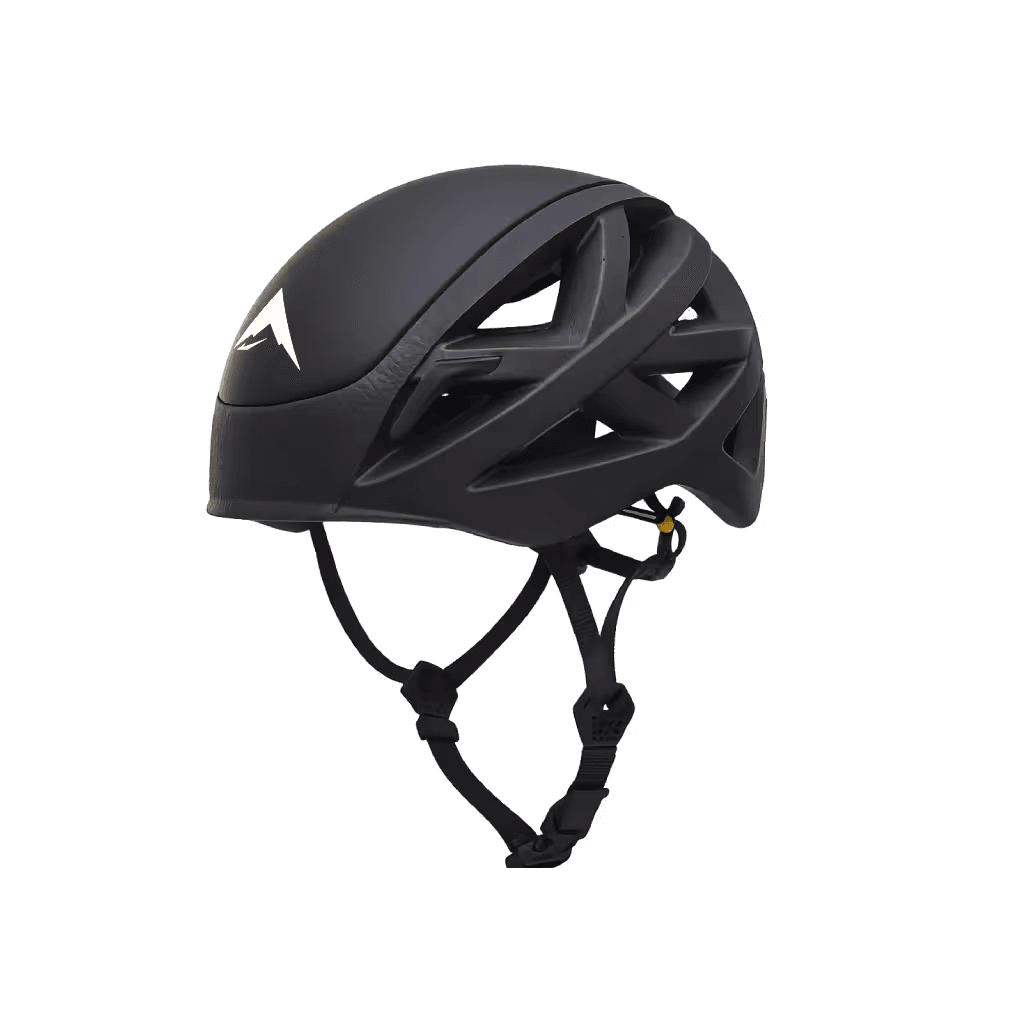
AeroShield Helmet
Rockfall protection from the Vrata valley approach through the Triglav summit ridge. Worn from the route base and never removed below the valley floor

SummitLine Dynamic Rope
Running belay on the Bamberg route's eight pitches and top-rope system at Bohinjska Bela. Dynamic elongation absorbing fall energy on lead sections