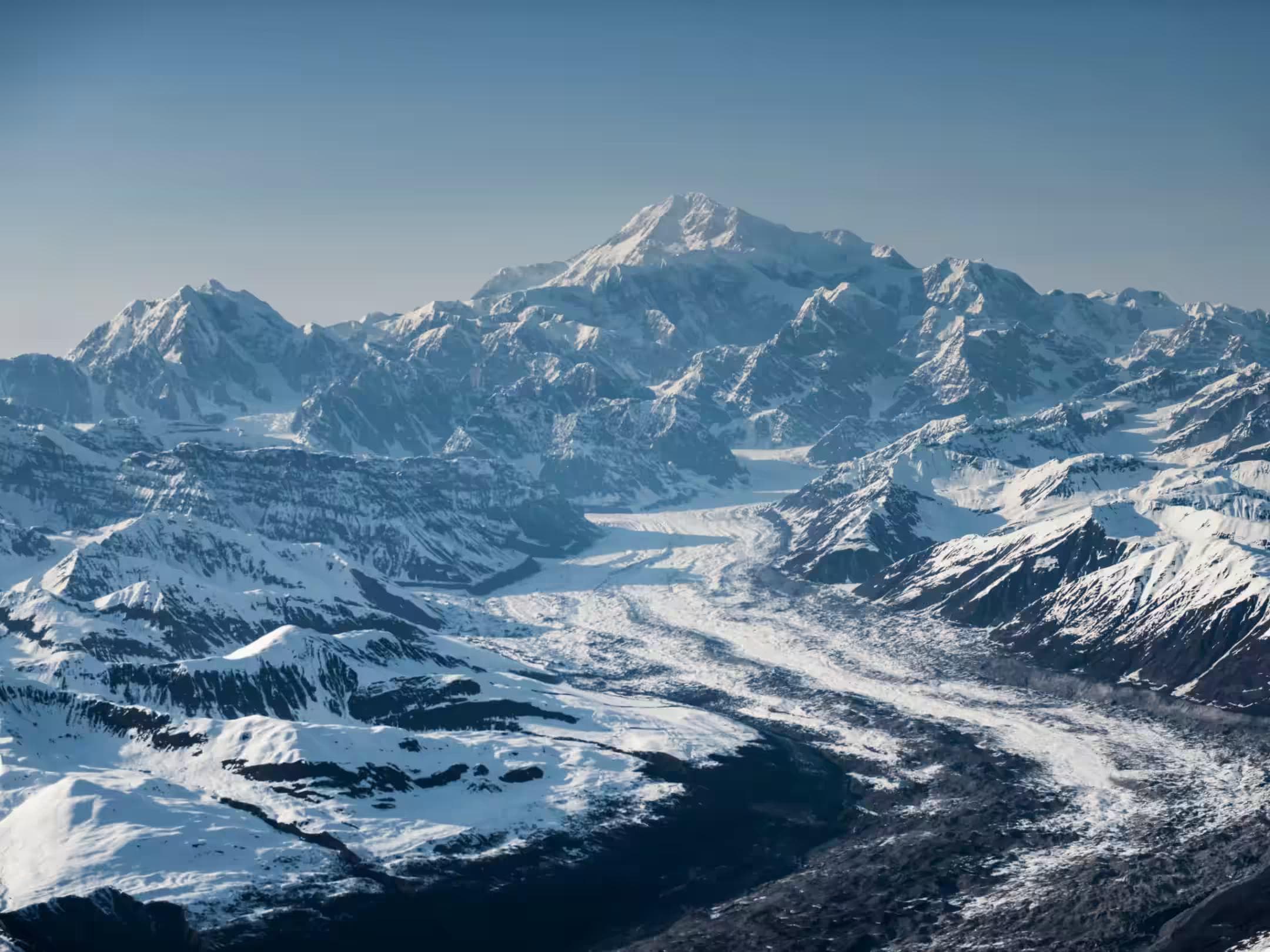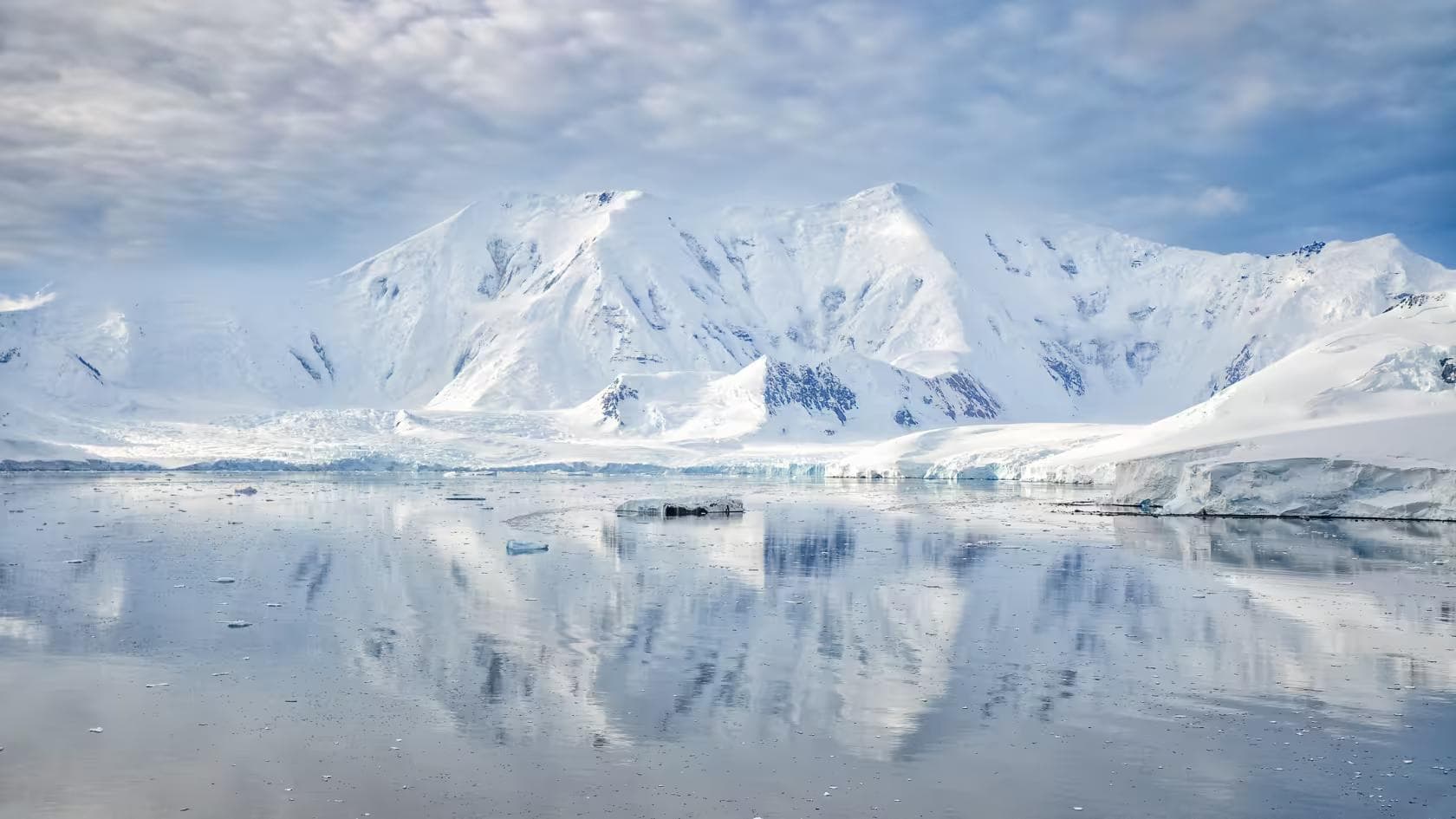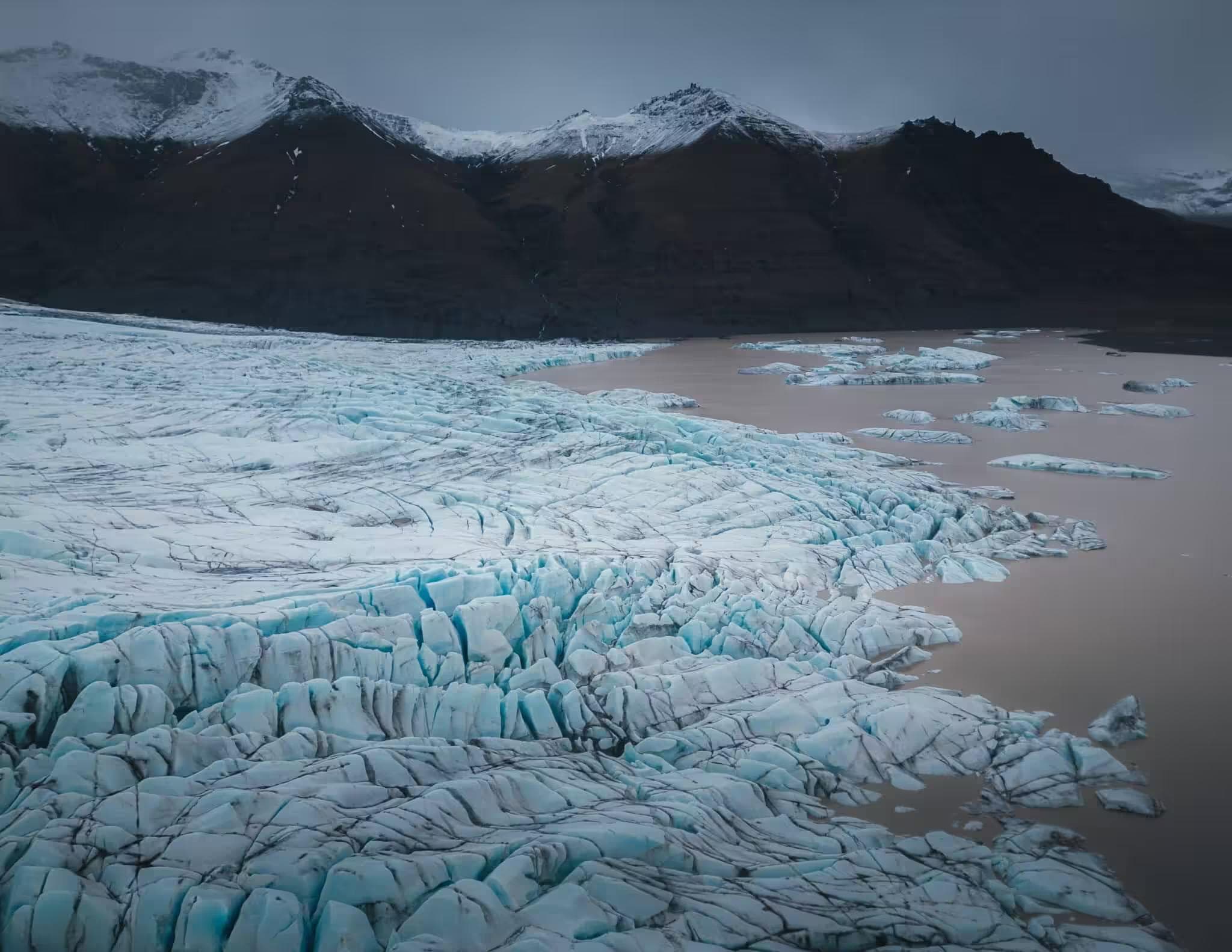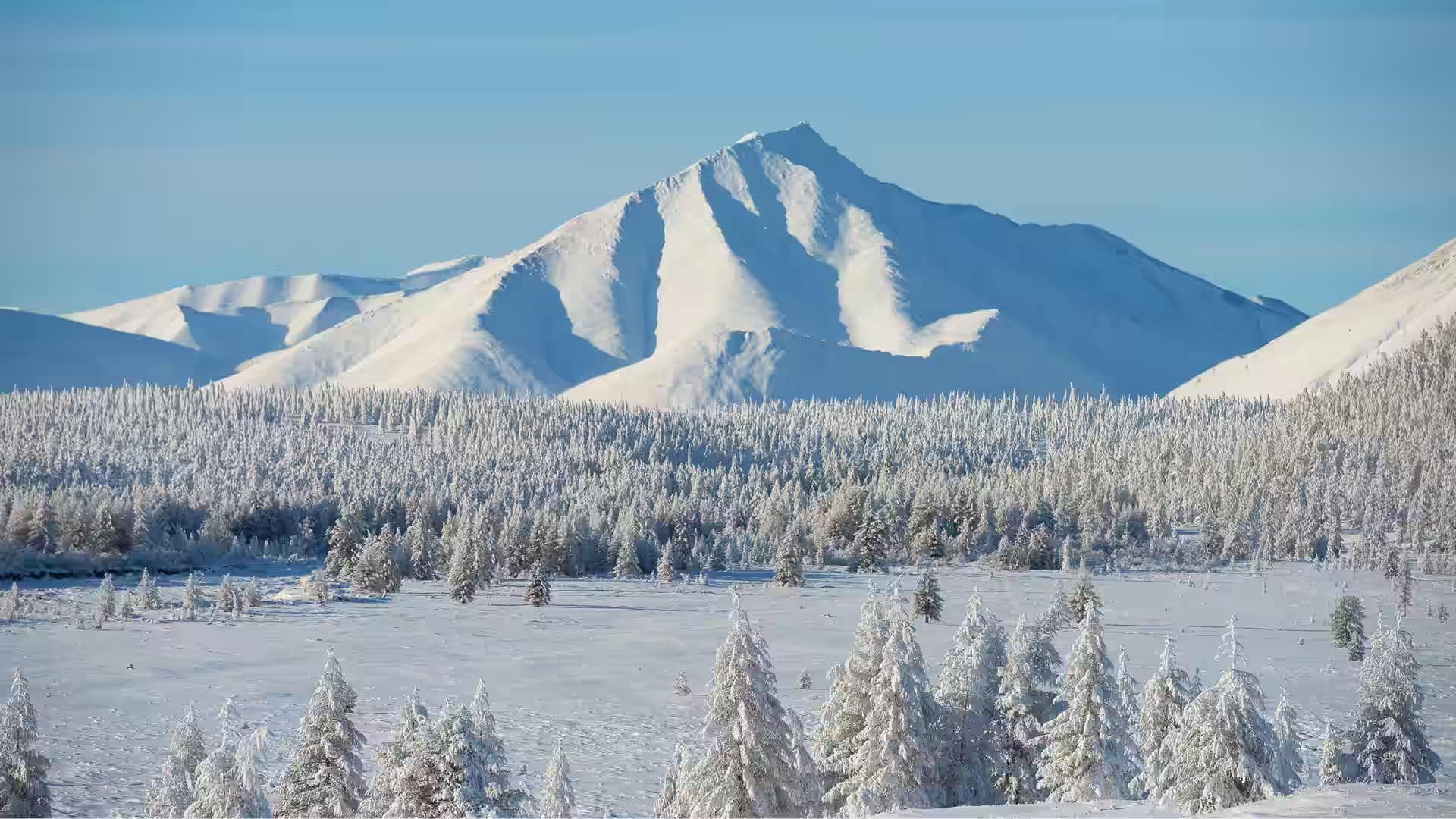
Siberia is not a mountain. It is not a route. It is not an objective in the alpine sense of that word. It is a continental scale of cold, forest, and silence that the human body was not designed to inhabit in winter, and that the human mind processes as danger before it processes as landscape. At -50°C — the temperature that the Sakha Republic's interior reaches in January without wind, with wind, a figure the meteorological vocabulary of most countries does not contain — metal becomes brittle, diesel fuel gels, rubber soles delaminate from boot uppers, and exposed skin produces frostbite in 30 seconds. The Siberian winter is not an environment to be experienced. It is an environment to be survived, and the difference between those two framings is the first thing an expedition to the region must resolve before any logistical planning begins.
This guide covers the Verkhoyansk Range expedition in the Sakha Republic — a 30-day traverse through the mountain system east of the Lena River basin, reaching the summit plateau of Mus-Khaya at 2,959 meters and the broader Chersky Range approach to Pobeda Peak at 3,003 meters, with an extended acclimatization component at elevation. The Suntar-Khayata Range section extends the route to the highest accessible terrain in this itinerary's scope at 4,700 meters on the Pik Pobeda approach. This is the most physically and logistically demanding guide in the series — not for its technical mountaineering content, which is moderate compared to the Matterhorn or K2 guides, but for the thermal environment that every movement, every camp decision, and every equipment choice operates within.
01The Cold Reality
The Pole of Cold — the location of the lowest recorded temperature in the Northern Hemisphere — sits at Oymyakon in the Sakha Republic at -67.7°C, recorded in 1933. The operational winter temperature range for this itinerary is -35°C to -55°C ambient, with wind chill producing effective temperatures below -60°C on exposed ridge sections. This is not hyperbole, and it is not the kind of cold that more layers address. It is the kind of cold that requires a systemic approach to every decision the expedition makes — from the material composition of every garment to the fuel consumption rate of the stove to the maximum duration of exposed skin contact with any metal surface.
At these temperatures, the standard failure modes of expedition equipment become primary safety concerns:
- Lithium batteries — capacity drops to 20% of the rated capacity below -40°C. Keep all battery-dependent devices — TerraNav Pro GPS, satellite communicator, camera — inside the inner jacket layer, against the body.
- Rubber components — boot soles, crampon straps, tent pole ferrules — become brittle below -40°C and fail without warning under load.
- Metal surfaces — bare skin contact with any metal surface below -30°C produces instant adhesion and frostbite within 5 seconds. Every metal component handled outside the tent requires mitts.
- Moisture management — at -50°C, perspiration freezes inside the garment system rather than evaporating, building ice layers that progressively degrade insulation. The CoreHeat Expedition Layer's moisture transfer rate at these temperatures is the critical specification, not its warmth rating.
Visa & Political Access
Siberia's eastern regions — specifically the Sakha Republic and the Magadan Oblast — require a standard Russian tourist visa plus a border zone permit for the Sakha Republic's restricted eastern territories adjacent to the Chersky Range. The border zone permit is issued by the Russian FSB (Federal Security Service) and requires application through a licensed Russian expedition agency at least 90 days before departure. The permit process is not complicated, but it is slow, and the FSB regional office in Yakutsk that processes the applications operates on a timeline that does not accommodate late applications.
Two agencies with documented Sakha Republic expedition experience:
- Yakutia Travel — Yakutsk-based, the primary logistics provider for the Verkhoyansk and Chersky Range expedition programs
- Wild Russia — Moscow-based, with eastern Siberia field coordination
Medical Reality
The nearest hospital with surgical capability from the Verkhoyansk Range expedition zone is in Yakutsk — approximately 600 kilometers by snowmobile from the Verkhoyansk trailhead, or 2–3 hours by helicopter in the weather windows that winter Siberia occasionally provides. The expedition medical kit is not supplementary care. It is the only care. The Summit Medic Pro Kit — referenced in the Antarctica and Svalbard guides — must be expanded for a 30-day expedition at -50°C to include cold injury management at a scale that shorter expeditions do not require: bulk sterile dressings for frostbite, rewarming equipment, and the specific pharmacological protocol for severe hypothermia management.
02Yakutsk: Days One–Four
Yakutsk — the capital of the Sakha Republic at 62°N, population 280,000, built entirely on permafrost — is the expedition's operational base. It is reached from Moscow by Yakutia Airlines in approximately 6 hours, or from international hubs via Moscow Sheremetyevo. The city in January is -40°C on a standard morning — the airport walkway between aircraft and terminal carries a temperature warning for tarmac personnel, and the taxi from the airport to the city runs its engine continuously because turning it off risks a non-start in the ambient cold.
Spend four days in Yakutsk. The operational tasks:
- FSB permit collection at the regional office — requires personal appearance with passport and expedition documentation
- Agency briefing with Yakutia Travel — current snowpack conditions, river ice thickness on the crossing routes, recent bear and wolf activity reports in the Verkhoyansk approach valleys
- Equipment cold-test — every critical system is tested at ambient temperature outside the hotel. The Inferno X Expedition Stove ignition sequence, the TerraNav Pro GPS cold-start time, and the SkyShield airbag mechanism — all tested at -40°C before the expedition - depend on them at -50°C in the field.
- Snowmobile and equipment transfer to the Verkhoyansk trailhead via agency vehicle — a 12-hour drive on the Kolyma Highway (the Road of Bones), historically one of the most brutal Gulag transport routes in Stalin's Soviet Union, now a winter road that exists as compacted snow and ice for four months of the year.
The Kolyma Highway in January is navigable only by truck and snowmobile with an adequate fuel reserve. The highway has no service stations between Yakutsk and Magadan — a distance of 2,000 kilometers. The agency vehicle carries fuel for the full Verkhoyansk transfer distance plus 30% reserve. Verify the fuel reserve before departure from Yakutsk. A vehicle that runs out of fuel 400 kilometers from the nearest settlement in -45°C ambient temperature is not a vehicle problem. It is a survival situation.
03Days Five–Ten: Verkhoyansk Range Approach
Distance: 80km to base camp | Daily distance: 12–15km | Temperature: -40°C to -50°C ambient
The approach from the Verkhoyansk trailhead to the base camp below Mus-Khaya at 2,959 meters follows the frozen Yana River system — a flat, snow-covered river corridor 50–80 meters wide, flanked by taiga forest on both sides, the ice surface 1.5–2 meters thick and audibly settling in the overnight cold contraction. The river ice is the highway. The taiga on either side is shelter, a fuel source, and the terrain through which the expedition returns to the river if conditions on the ice become untenable.
Movement at -50°C
Movement in the Siberian winter cold requires a discipline that no other environment in this guide series demands at the same level. The rules are not guidelines:
- No exposed skin, ever. The CoreHeat Expedition Layer, SummitVoid Down Parka, and Tempest GTX Bib Pants cover the full body. The Icebound Expedition Gloves are worn at all times outside the sleeping bag. A balaclava and face mask cover everything the goggles do not. The 30-second frostbite timeline at -50°C means that the wind that removes a hat is a medical event, not an inconvenience.
- Movement pace is set by warmth, not by distance. If the body begins to cool despite movement — the first signal is the sensation of cold in the fingertips that does not resolve within two minutes of increasing pace — stop, add the parka, reassess. Chasing a distance target in -50°C cold is how expeditions produce casualties.
- Never sweat. The perspiration management that the CoreHeat handles in alpine conditions reaches its limit in Siberian winter cold — the moisture that the base layer transfers to the mid layer freezes before it evaporates in -50°C air. Regulate pace to prevent heavy perspiration. If sweating begins, slow down immediately and allow the system to stabilize before continuing.
River Camp Setup
The expedition camps on the river ice flat, sheltered by the taiga bank on the windward side, and structurally reliable at 1.5-meter ice thickness. The StormCore Emergency Shelter is the camp's secondary structure — pitched downwind of the main tent as a contingency shelter for the scenario where the primary tent fails in a Siberian storm. In Siberia, the StormCore is not insurance. It is the backup system that the primary system's failure — at -50°C, in the dark, in a storm — requires to be already deployed and accessible.
The SummitCore Expedition Bag rated to -40°C lower limit performs at its specification inside the Glacier Fortress Tent with the ThermaPeak Expedition Pad ground insulation — on river ice in -50°C ambient, the tent interior reaches approximately -30°C with body heat contribution, which places the sleeping system at the edge of its rated performance. The margin at -30°C is 10 degrees. That margin is the difference between a cold sleep and a dangerous one, and it disappears entirely if the sleeping bag accumulates ice from the moisture management failure that sustained sub-zero temperatures produce in synthetic and down insulation alike. Shake the bag out every morning before packing to remove ice crystal accumulation. Air it inside the tent for 20 minutes before zipping it into the stuff sack.
04Days Eleven–Eighteen: Verkhoyansk Ridge & Mus-Khaya
Distance: 25km to summit plateau | Elevation gain: 2,100m | Temperature at summit: -55°C to -60°C wind chill
The Verkhoyansk Ridge above the Yana River approaches a different category of cold from the valley floor — the elevation adds wind to the ambient temperature in a combination that the wind chill calculation produces as numbers the body has no prior reference for. At 2,500 meters in Verkhoyansk in January with a 25 km/h wind, the effective temperature is -60°C. The Glacier Apex Boots' insulation rating — the specification tested at static cold, not at wind chill — is the figure that the ridge conditions challenge. Vapor barrier socks inside the boot, worn under the inner boot liner, provide the additional insulation margin that wind exposure at this temperature requires.
Mus-Khaya Ascent
The route to the Mus-Khaya summit plateau at 2,959 meters follows a broad ridge system — not technically demanding by alpine standards, the gradient moderate and the terrain consolidated snow over bedrock — that the cold converts from a walking route into a cold management exercise. Every decision on the ascent — pace, rest interval, layer management, glove system — is a thermal decision before it is a movement decision.
The FangGrip Crampons are deployed from 1,800 meters, where the wind-polished snow surface transitions to the blue ice that the ridge's exposed sections carry year-round. The crampon-to-boot interface at -50°C requires checking every 90 minutes — the binding system's rubber components stiffen progressively below -40°C, and a crampon that is correctly tensioned at the ridge base may have lost 30% of its clamping force at the summit. Check the bindings. Do not assume they have not changed.
The TerraNav Pro GPS — kept warm against the body between navigation checks — is the primary orientation tool on the summit plateau in the Siberian winter, visibility conditions that ground blizzard produces: wind below 15 km/h, technically clear sky, but surface snow transport at 1–2 meters above ground level that reduces effective visibility to 50 meters while the summit is technically visible from the valley. Navigation in ground blizzard without GPS is navigation by dead reckoning in featureless white terrain at -55°C effective temperature. The GPS is not a convenience on the Verkhoyansk Ridge. It is the system that makes the summit route repeatable in both directions.
Frostbite at -55°C effective temperature follows a timeline that removes the standard early warning system. The burning sensation that indicates pre-frostbite at -20°C is absent at -55°C — the tissue damage begins without the pain signal that lower temperatures produce. Conduct a face and extremity check every 20 minutes above 2,000 meters: remove the outer mitten, press a gloved finger against the cheek, and check for the waxy pale appearance of the nose tip in a partner's face. The frostbite that is discovered at the check is manageable. The frostbite discovered at camp two hours later is not.
05Days Nineteen–Twenty-Four: Chersky Range Approach
The second range component moves the expedition east toward the Suntar-Khayata Range — a higher, more technically complex system whose approach requires a helicopter transfer from the Verkhoyansk base camp to the Suntar-Khayata trailhead at Oymyakon. The transfer is arranged through Yakutia Travel and depends on the weather window that the Mi-8 helicopter requires for the 200-kilometer crossing.
Oymyakon
Oymyakon — the Pole of Cold village at -67.7°C historical minimum — has a permanent population of approximately 500 and a school that closes only below -52°C. The village's existence as a permanently inhabited settlement at this temperature is the most direct evidence available that human adaptation to extreme cold is possible, though the Yakut and Even communities who built this culture over centuries did so with a cold-specific material culture — reindeer fur, specific fire management, architectural forms — that the expedition's technical kit approximates rather than replicates. Spend one night here before the Suntar-Khayata approach. The local community's knowledge of current mountain conditions is more accurate than any forecasting service.
Pik Pobeda Approach (4,700m)
The approach to Pik Pobeda at the extreme eastern end of the Suntar-Khayata Range gains 4,000 meters from the Oymyakon valley floor — the highest terrain in this itinerary and the most isolated section of the full expedition. The summit plateau at 4,700 meters in January carries ambient temperatures below -60°C without wind. The wind chill at the summit in a 20 km/h polar flow produces effective temperatures that no instrument in the expedition kit is rated to measure accurately below -70°C.
The summit attempt — if the weather window opens and the team's thermal condition after 20 days of expedition allows — follows the southeast ridge from the 3,500-meter high camp. It is not technically demanding. At -65°C effective temperature, the absence of technical difficulty is irrelevant. The challenge is the management of a body that is simultaneously working hard and losing heat faster than the work produces it — the specific physiological paradox of high-output movement in extreme cold that Siberian mountaineering produces and that no alpine experience fully prepares for.
06Days Twenty-Five–Thirty: Return
The return from the Suntar-Khayata to Oymyakon reverses the approach. The helicopter transfer to Yakutsk awaits the weather window. The expedition that has managed 25 days at -50°C has developed a cold tolerance that Yakutsk at -35°C registers as relatively mild — a recalibration of thermal perception that the body produces and the mind finds briefly disorienting. The hotel room in Yakutsk, heated to 20°C, is the temperature that the expedition's body has not experienced for a month.
The Titan Hauler Duffel 150 — the primary equipment container from Yakutsk departure through the full expedition — is repacked for the return flight in a specific sequence: wet and potentially ice-containing items in separate dry bags, battery-dependent equipment in the carry-on to avoid cargo hold temperatures, and the SummitCore Expedition Bag aired completely before compression. A sleeping bag compressed with residual ice crystals inside the down clusters loses 40% of its loft, and therefore its insulation rating — the bag that sustained the expedition is the bag that requires the most careful return packing.
The flight from Yakutsk to Moscow, and from Moscow to the European home city, covers the same geographic distance in 10 hours that the expedition covered in 30 days on the ground. The speed of the return is its own kind of recalibration — the Siberian interior visible from the aircraft window as an undifferentiated white plain that the 30 days inside it revealed as a landscape of specific rivers, ridges, campsites, cold mornings, and the particular silence that -50°C produces when the wind stops, and the taiga holds completely still
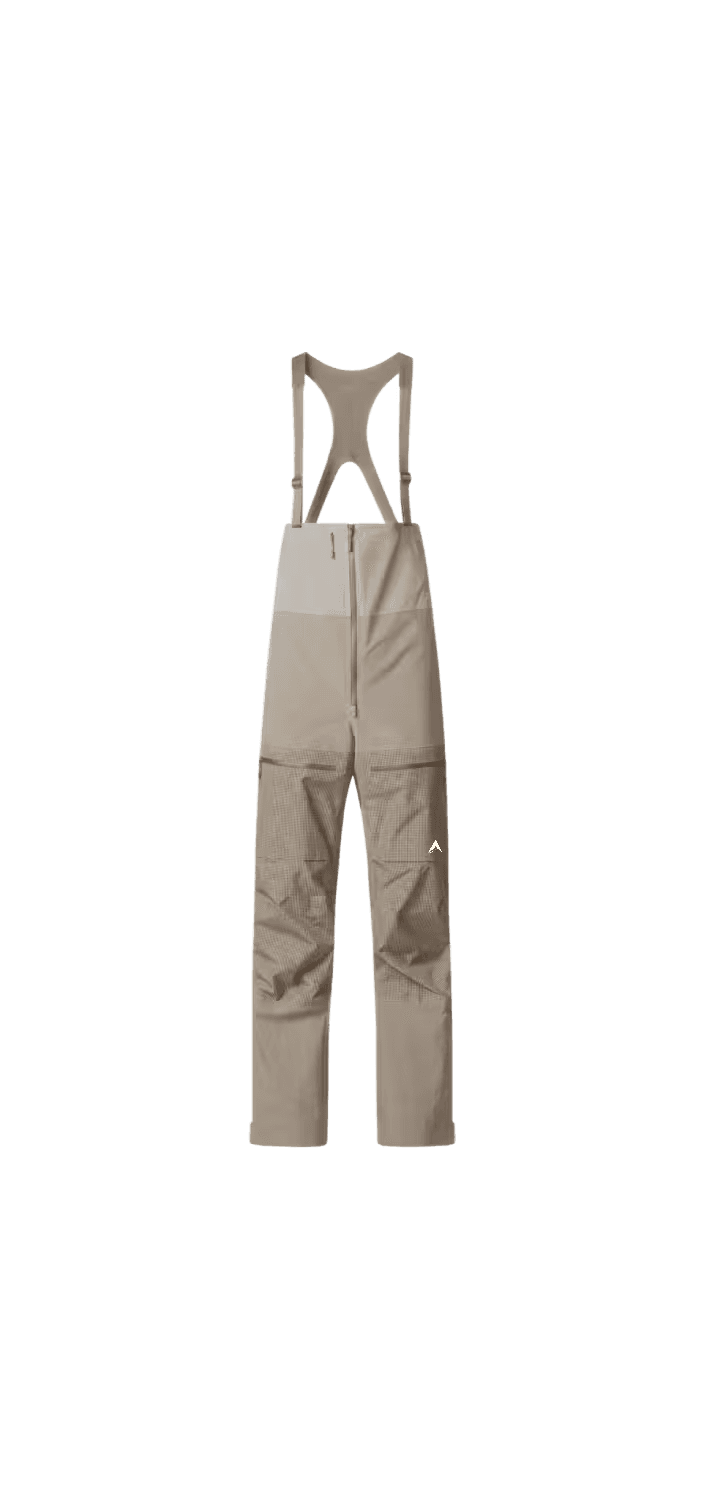
Tempest GTX Bib Pants
Full lower body wind and moisture protection from the Yakutsk departure through all 25 field days
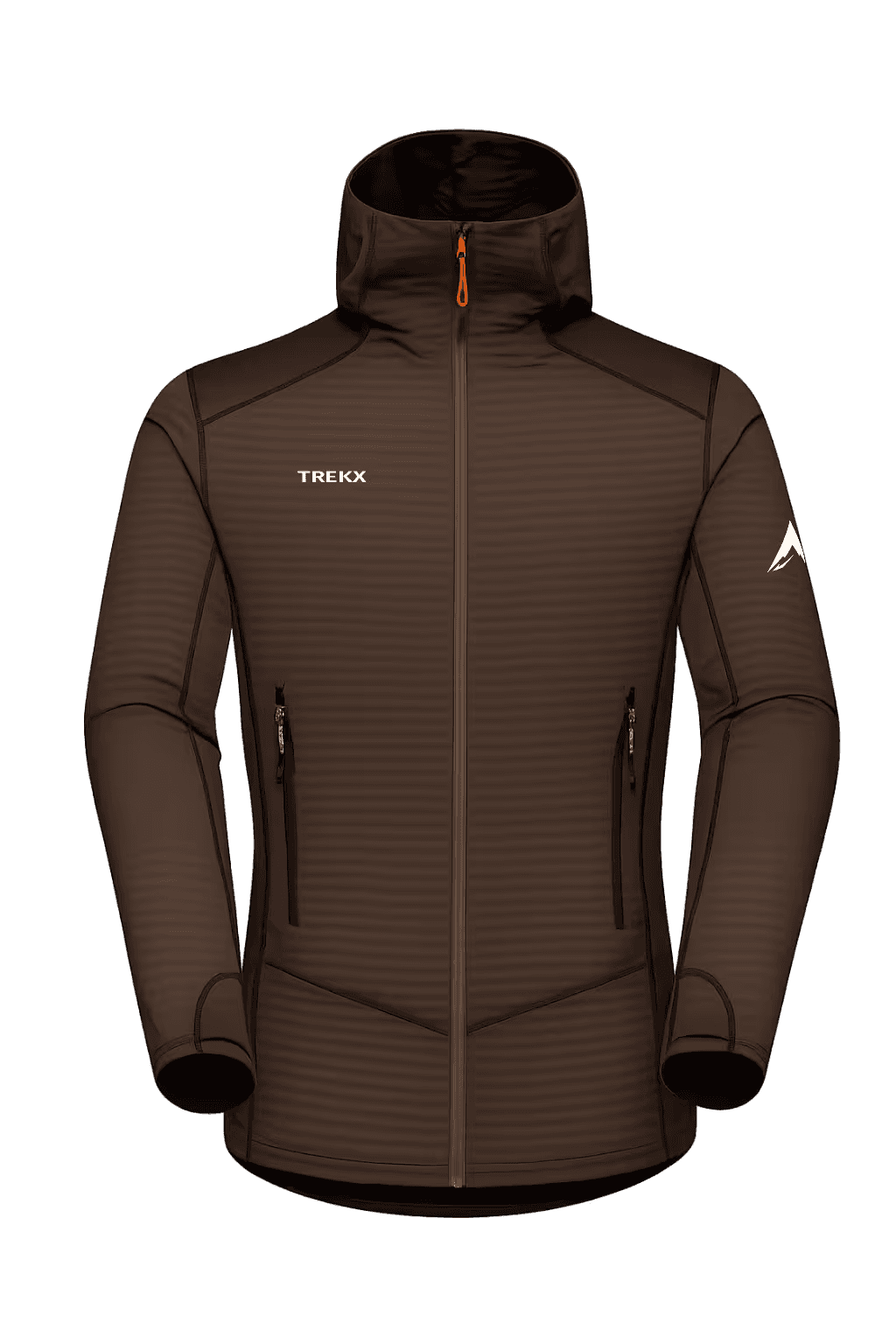
CoreHeat Expedition Layer
The base layer whose moisture management rate at extreme cold is the critical specification, controlling the ice accumulation that progressively destroys insulation from the inside
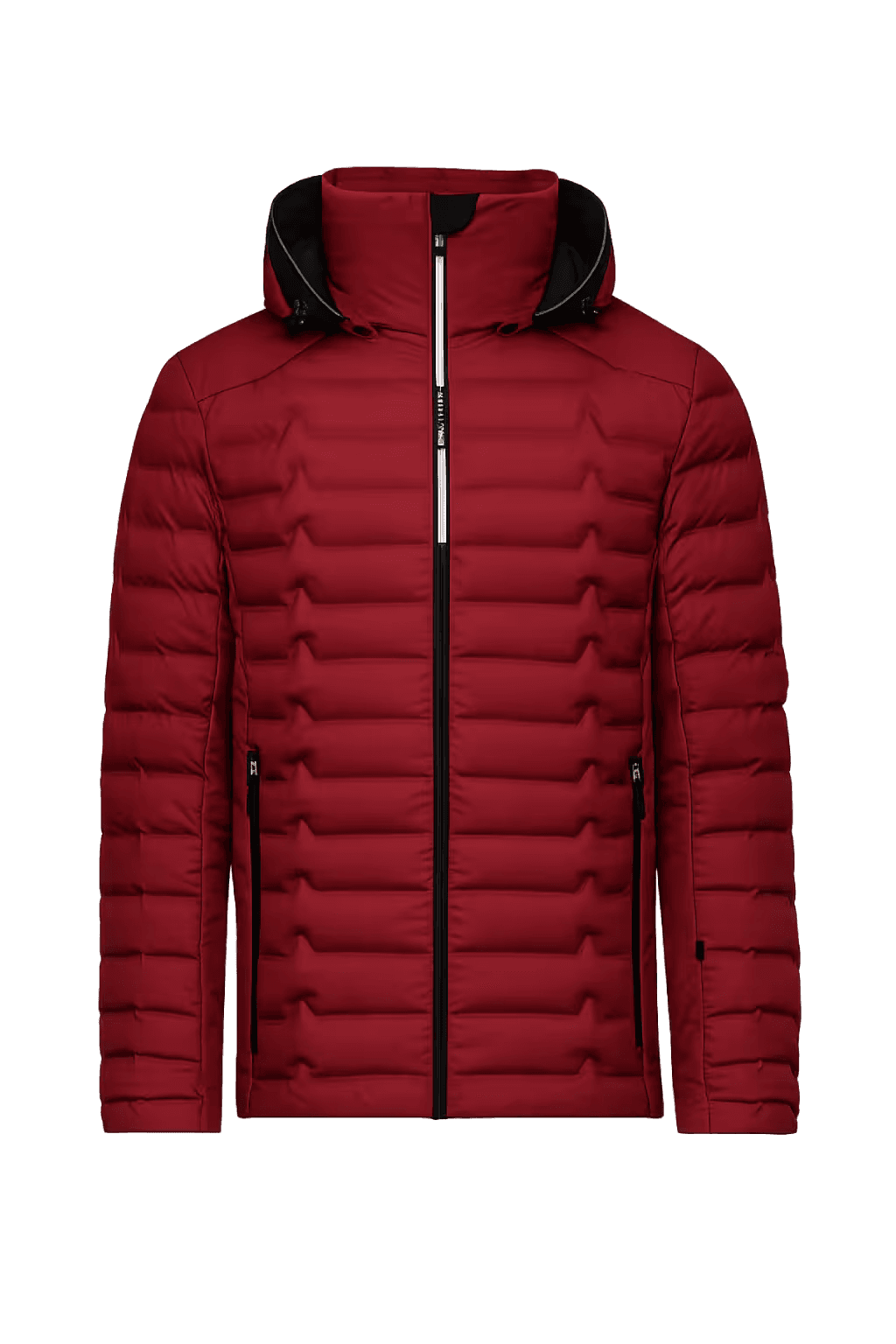
SummitVoid Down Parka
Primary insulation layer from camp departure through all movement that covers the 30°C gap between body heat and ambient temperature that Siberian winter produces at rest
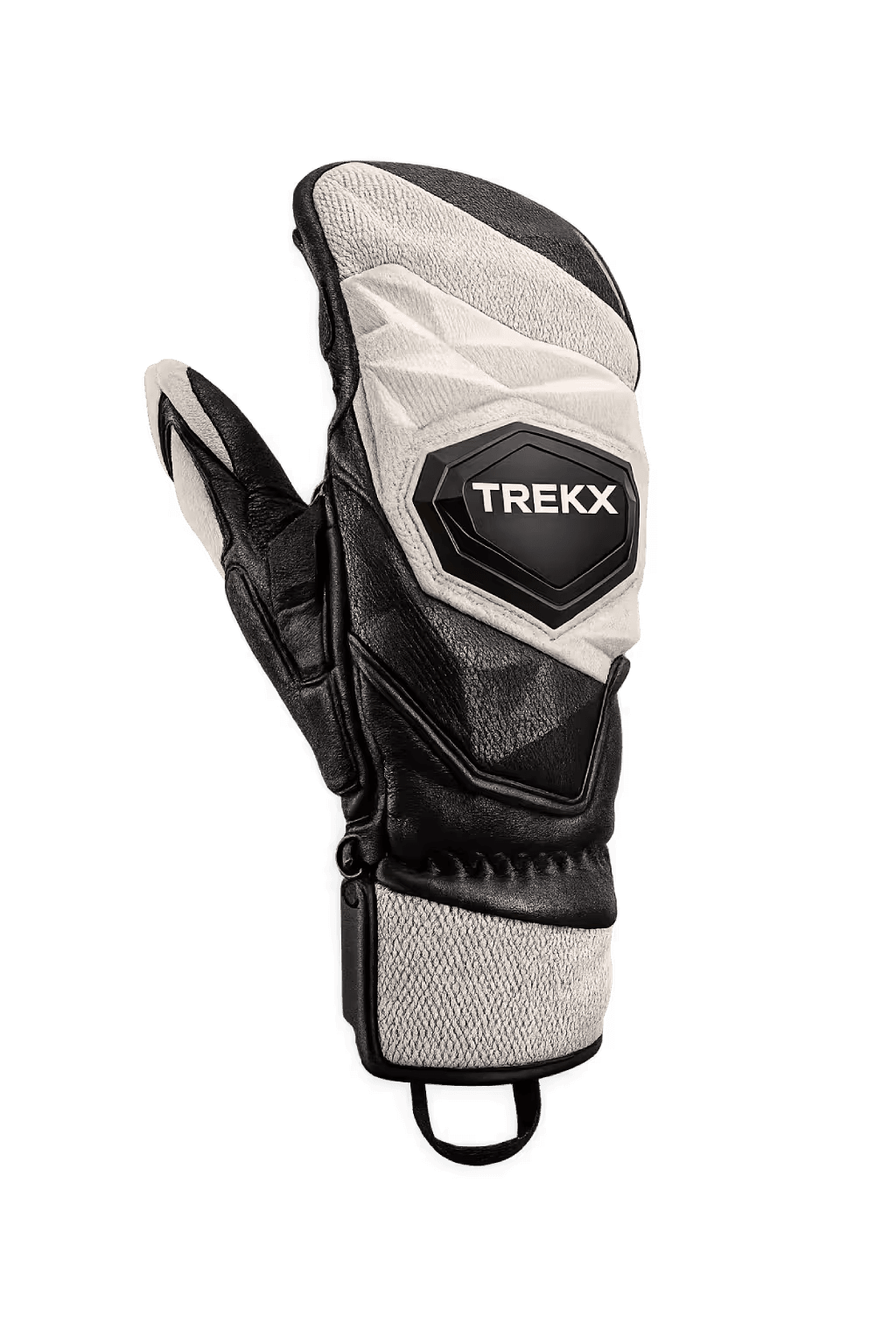
Icebound Expedition Gloves
Continuous hand protection at -50°C where 30-second bare skin frostbite risk makes glove removal a medical decision
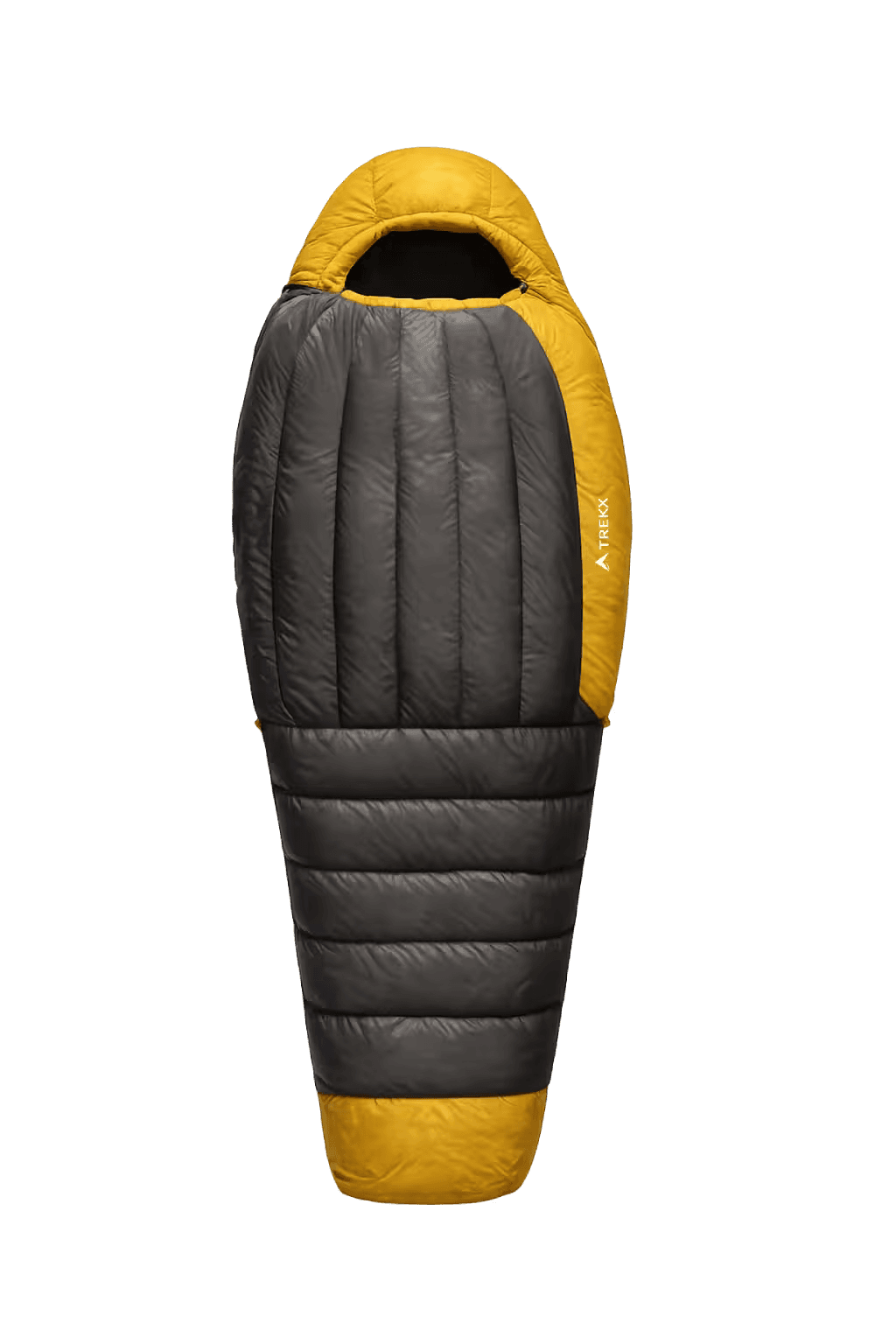
SummitCore Expedition Bag
Rated -40°C lower limit for river ice and high camp nights where -30°C tent interior temperature at the system's rated edge requires the ThermaPeak ground insulation to perform correctly
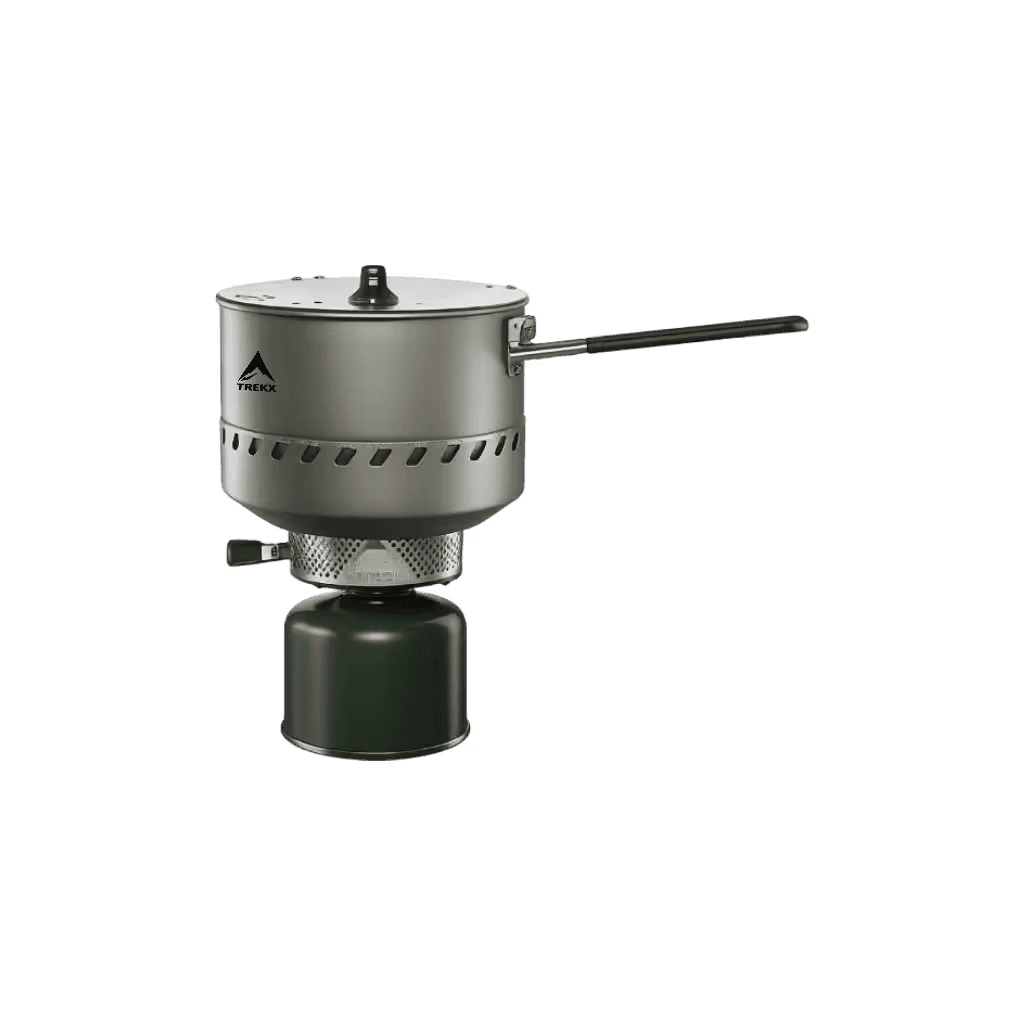
Inferno X Expedition Stove
Pre-heater canister system maintaining fuel pressure at -50°C ambient
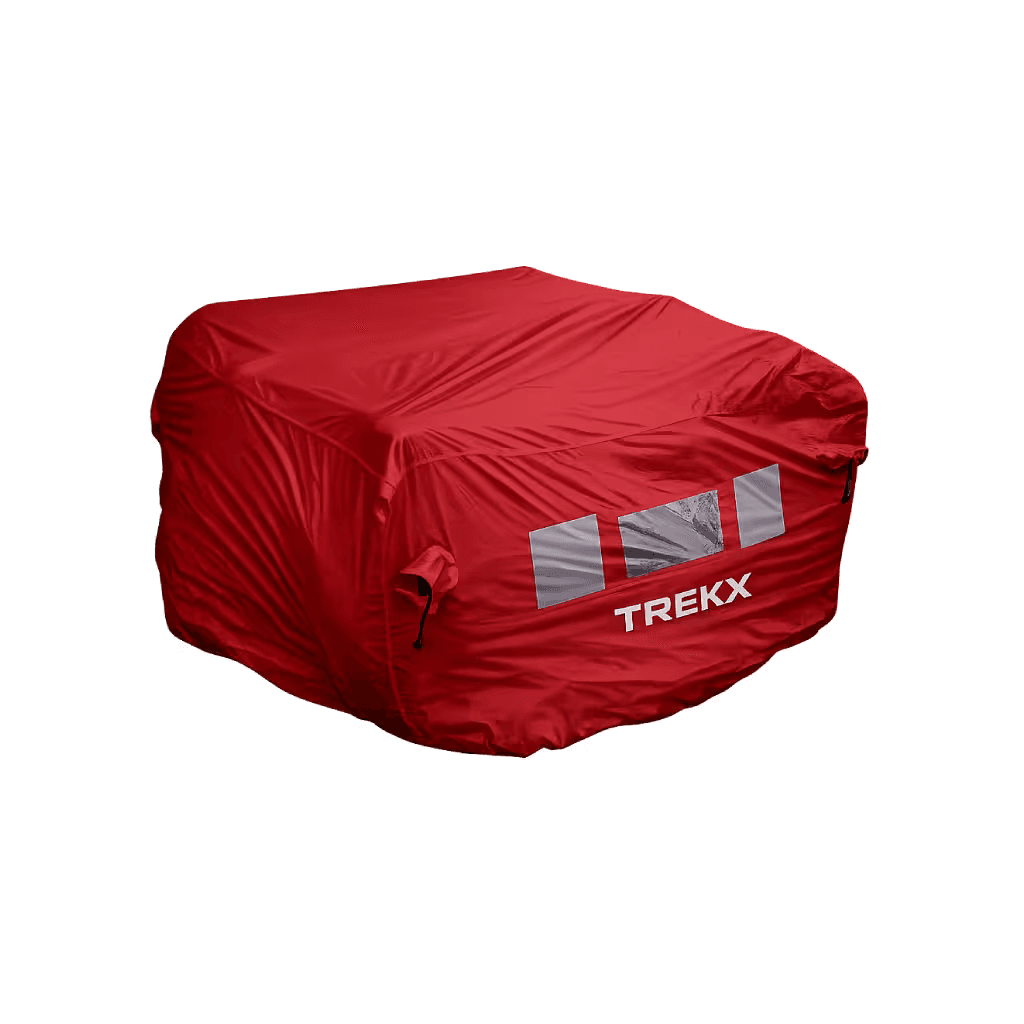
StormCore Emergency Shelter
Deployed as the secondary camp structure downwind of the primary tent from the first river camp
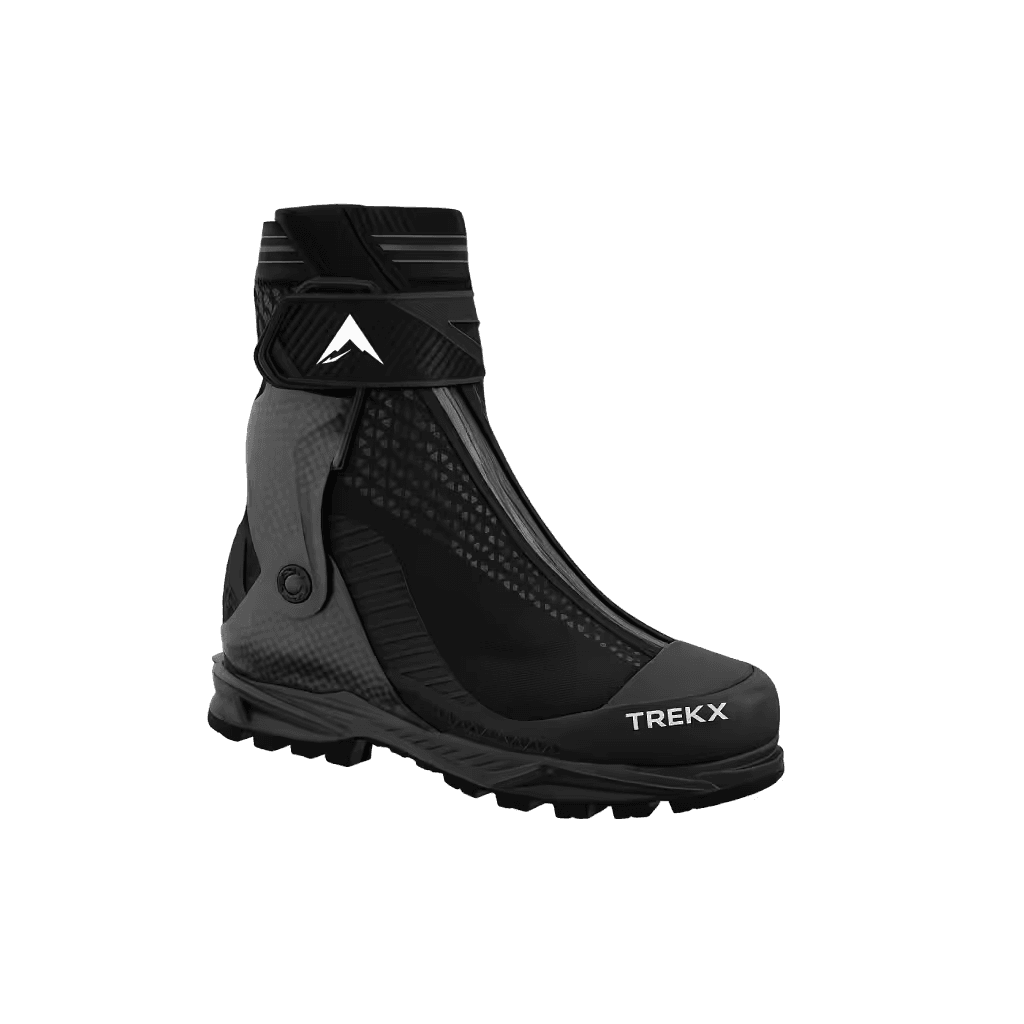
Glacier Apex Boots
Double-boot insulation with vapor barrier sock system for the Verkhoyansk Ridge and Suntar-Khayata approach
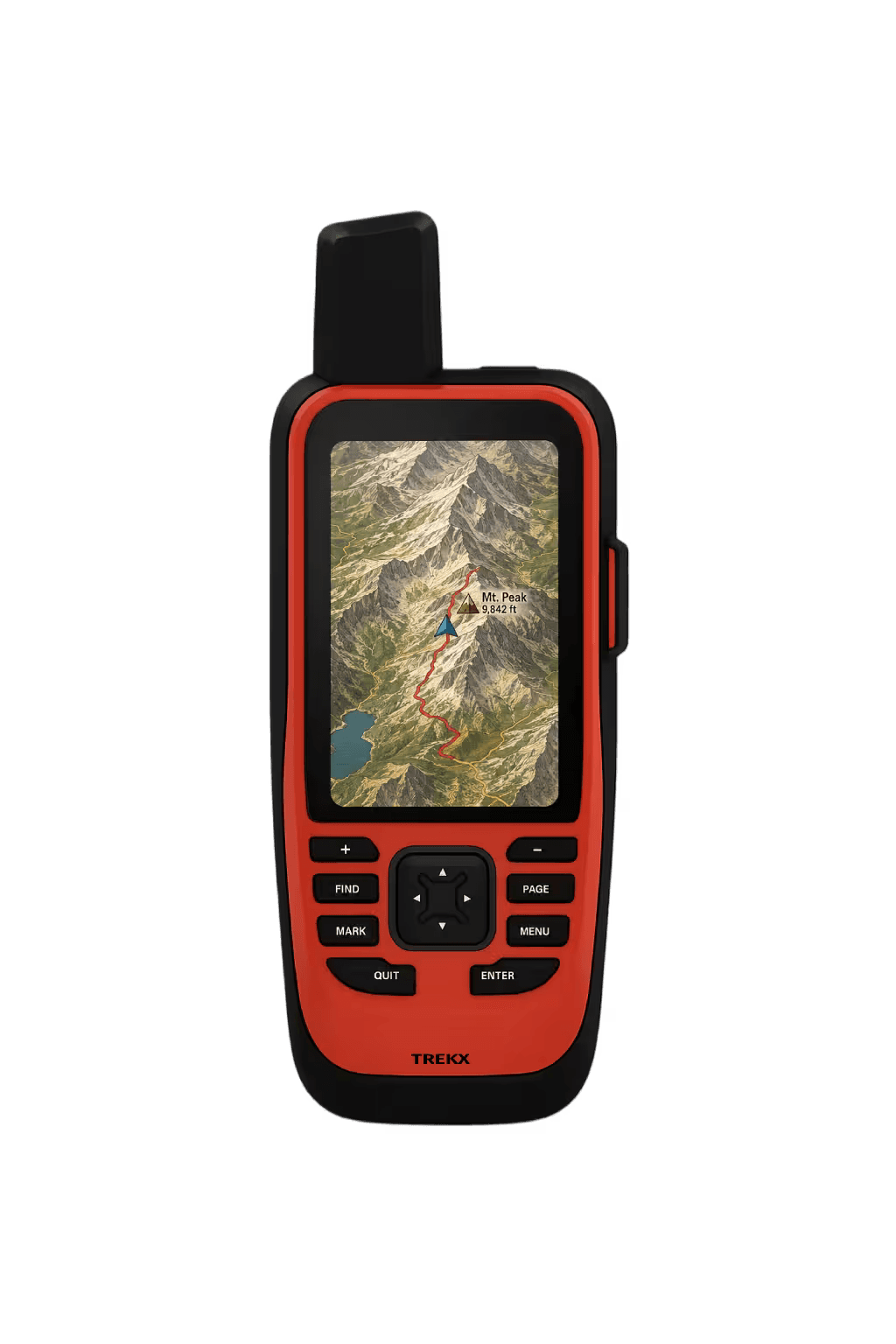
TerraNav Pro GPS
Primary navigation in ground blizzard on the Verkhoyansk and Suntar-Khayata ridges where surface snow transport at 1–2 meters reduces visibility to 50 meters in technically clear sky
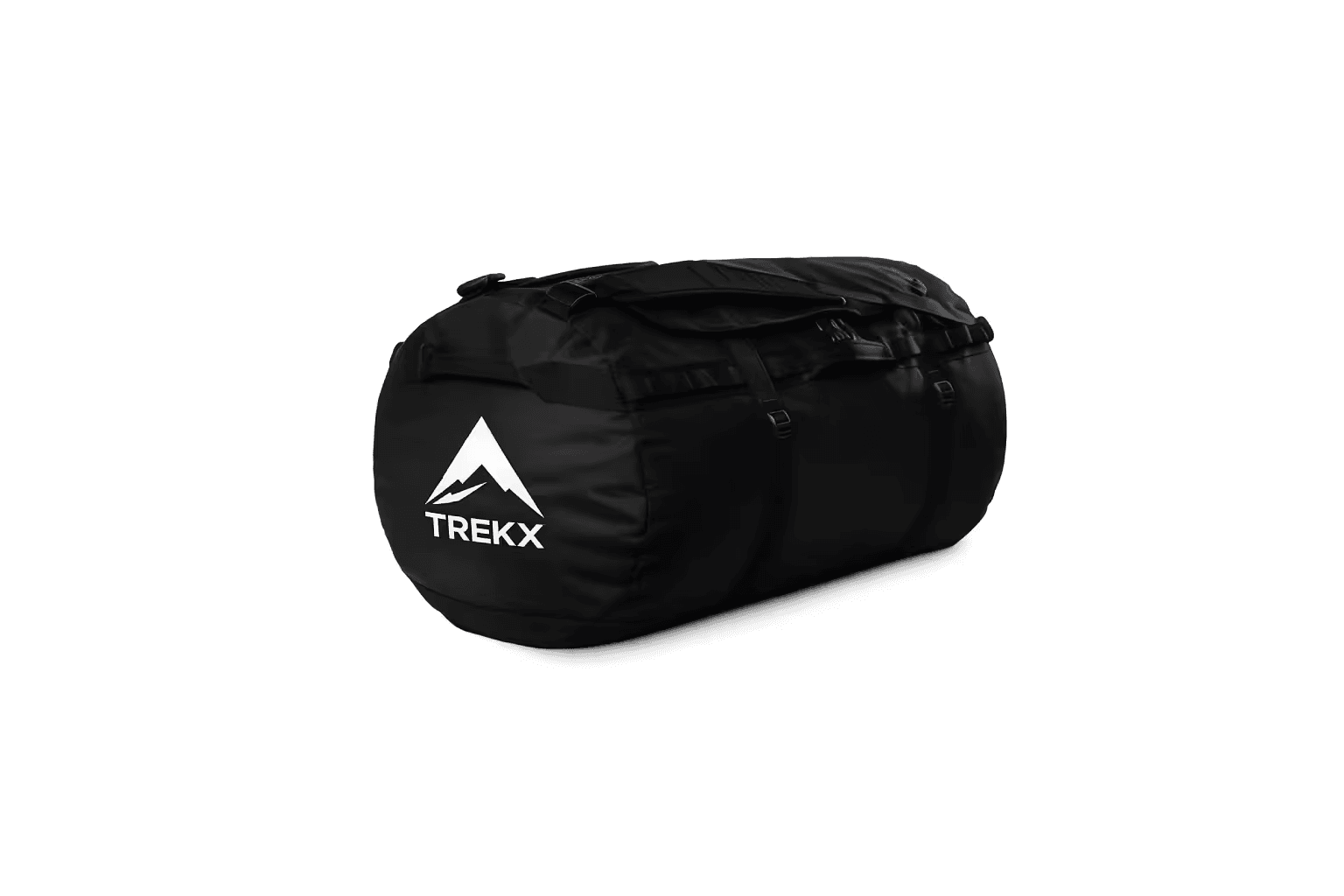
Titan Hauler Duffel 150
Primary equipment container from Yakutsk through the full 30-day expedition